Vaishnaw Marks 12 Years of Garib Kalyan, Flags PDS Reforms
Synopsis
Union Minister Ashwini Vaishnaw marked 12 years of the BJP government's Garib Kalyan agenda on 28 May 2026, pledging to make India's Public Distribution System more efficient and transparent through technology-led reforms including Aadhaar linkage and One Nation One Ration Card portability.
Key Takeaways
Union Minister Ashwini Vaishnaw posted on 28 May 2026 marking 12 years of Garib Kalyan and calling for a more efficient and transparent food distribution system.
The PM Garib Kalyan Anna Yojana , launched in March 2020 , provides 5 kg free grain per person monthly to NFSA beneficiaries.
The National Food Security Act, 2013 entitles up to 67 per cent of India's population to subsidised food grains via the Public Distribution System .
The One Nation One Ration Card scheme, rolled out in 2021 , allows migrant workers to access rations from any fair price shop in India.
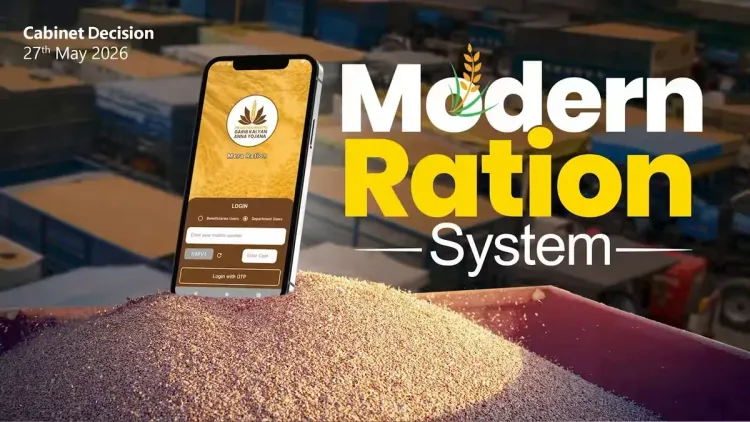
End-to-end computerisation and Aadhaar seeding of PDS were accelerated post- 2014 to curb leakages and ghost beneficiaries.
Further technology upgrades including AI-based supply chain monitoring and new portability features are being watched as next steps.
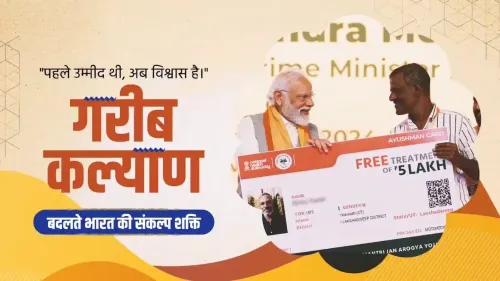
Union Minister Ashwini Vaishnaw on Thursday, 28 May 2026 highlighted the government's ongoing push to make India's food distribution system more efficient and transparent, marking what he called 12 years of Garib Kalyan — the ruling dispensation's broad welfare agenda anchored in poverty alleviation.
Context
The minister's post, shared on X (formerly Twitter), carried a bilingual message: 'Making food distribution system more efficient and transparent' alongside the Hindi phrase गरीब कल्याण के 12 साल ('12 years of Garib Kalyan'). The message was accompanied by a video, suggesting a broader communication campaign timed to the BJP-led government's 12th year in office since May 2014.
The framing squarely places food distribution reforms within the ruling party's signature welfare narrative — one that has consistently used the 'Garib Kalyan' label to bundle together schemes ranging from subsidised rations to direct benefit transfers.
Policy Backdrop
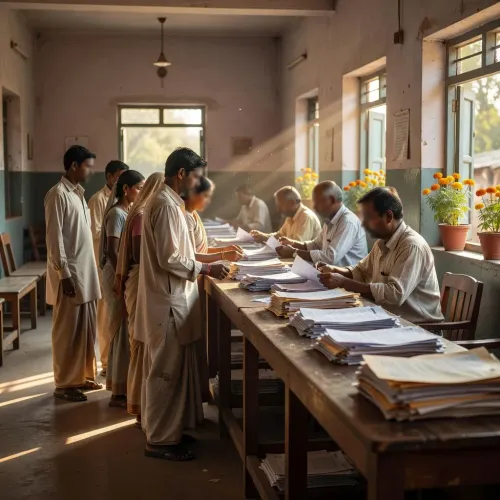
India's food distribution architecture rests on the National Food Security Act, 2013, which entitles up to 67 per cent of the population to highly subsidised food grains through the Public Distribution System (PDS). The network of fair price shops distributes subsidised wheat and rice to eligible households across the country.
The PM Garib Kalyan Anna Yojana (PMGKAY), launched in March 2020 during the COVID-19 pandemic, added a free 5 kg monthly allocation per person on top of existing NFSA entitlements and was extended multiple times before being folded into the regular PDS framework. Alongside this, the government accelerated end-to-end computerisation, Aadhaar seeding, and biometric authentication of ration transactions after 2014 to curb leakages and diversion. The One Nation One Ration Card scheme, rolled out in 2021, extended portability so migrant workers could access their entitlements from any fair price shop in India.
Stakeholders and Impact
The primary beneficiaries of PDS reforms are low-income and priority households — estimated at hundreds of millions of people — who depend on subsidised or free grain as a nutritional safety net. Migrant workers in particular have benefited from the portability provisions introduced under One Nation One Ration Card, which removes the earlier constraint of accessing rations only in a home district.
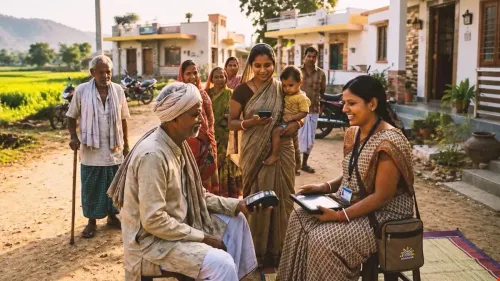
Transparency measures such as Aadhaar-linked biometric authentication and digitised beneficiary databases have been credited with reducing ghost beneficiaries and diversion of grain to the open market. The government's continued emphasis on technology-led efficiency signals that further upgrades — potentially including AI-based monitoring of supply chains — remain on the policy horizon.
What's Next
Vaishnaw's post is likely a precursor to a larger government communication exercise around the 12-year milestone of the current dispensation, with welfare delivery as a central plank. Observers will watch for any new announcements on PDS technology upgrades, expanded portability features, or related provisions in the next Union Budget. The sustained political investment in the 'Garib Kalyan' brand also signals that food security will remain a prominent theme heading into future electoral cycles.
Point of View
Situating the BJP's welfare record within a 12-year narrative as the party approaches another electoral cycle. The 'Garib Kalyan' framing has functioned as an ideological umbrella that links disparate schemes — from free rations to housing and cooking gas — into a single, electorally legible story of pro-poor governance. By invoking PDS transparency specifically, the government is also pre-empting criticism around leakages and exclusion errors that have historically dogged food security implementation. The post reflects a broader pattern in which technology-led welfare reform is deployed both as genuine administrative improvement and as a communication asset.
NationPress
25 Sept 2026
Frequently Asked Questions
What is Garib Kalyan and why are 12 years being celebrated in 2026?
'Garib Kalyan' refers to the BJP-led government's overarching poverty-alleviation agenda launched after it came to power in May 2014 . The 12-year mark in 2026 is being used to highlight a range of welfare achievements including free food grain distribution, housing, and direct benefit transfers.
What is PM Garib Kalyan Anna Yojana?
PM Garib Kalyan Anna Yojana (PMGKAY) is a scheme that provides 5 kg of free food grain per person per month to beneficiaries covered under the National Food Security Act . It was launched in March 2020 during the COVID-19 pandemic and has since been extended and integrated into the regular PDS framework.
What is One Nation One Ration Card?
One Nation One Ration Card is a portability initiative rolled out in 2021 that allows beneficiaries, especially migrant workers, to access their subsidised food grain entitlement from any fair price shop anywhere in India, not just in their home district.
How has Aadhaar improved the Public Distribution System?
Aadhaar seeding and biometric authentication of PDS transactions have helped remove ghost beneficiaries and reduce diversion of subsidised grain. End-to-end computerisation of the supply chain was accelerated after 2014 as part of broader transparency reforms.
What does Ashwini Vaishnaw's post mean for PDS reforms?
The post signals the government's continued political and administrative focus on making food distribution more efficient. It is expected to precede further announcements on technology upgrades — such as AI-based monitoring — and could be reflected in provisions in the next Union Budget .