Vaishnaw marks Samvidhan Hatya Diwas, calls Emergency darkest chapter
Synopsis
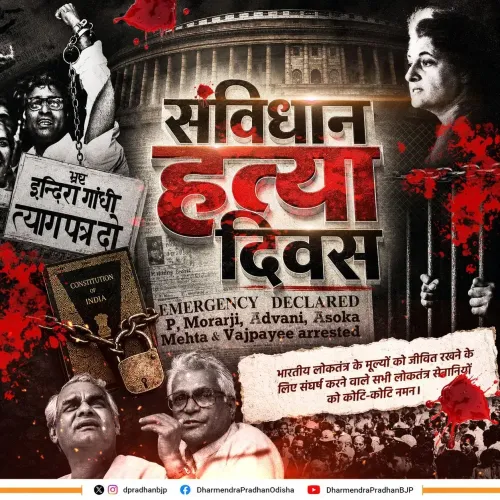
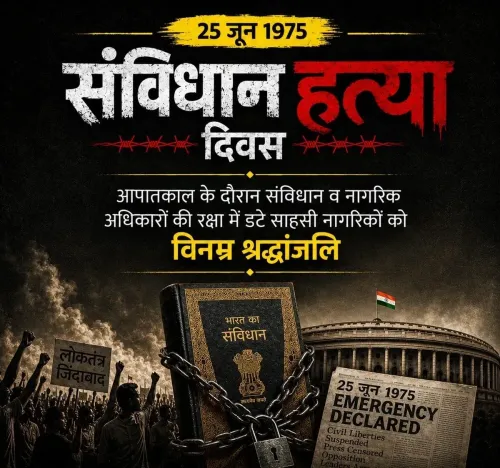
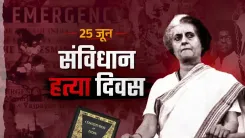
Union Minister Ashwini Vaishnaw on 25 June 2026 marked Samvidhan Hatya Diwas by calling the 1975-77 Emergency the darkest chapter in Indian democracy, paying tribute to citizens who resisted the suspension of constitutional rights and freedom of expression.
Key Takeaways
Union Minister Ashwini Vaishnaw posted a tribute on 25 June 2026 marking Samvidhan Hatya Diwas .
He described the 1975-77 Emergency as 'the darkest chapter in the history of Indian democracy.' The Minister said the Emergency attacked the spirit of the Constitution, citizens' rights, and freedom of expression.
The Ministry of Home Affairs formally declared 25 June as Samvidhan Hatya Diwas via an official order in June 2024 .
The Emergency lasted 21 months and involved suspension of fundamental rights, press censorship, and mass arrests under MISA .
The annual observance is part of the BJP -led government's sustained effort since 2014 to frame the Emergency as an assault on democratic institutions.
Union Minister Ashwini Vaishnaw on Thursday, 25 June 2026 paid tribute to all Indians who resisted the 1975-77 Emergency, describing it as the darkest chapter in the history of Indian democracy and invoking the constitutional values that survived that period.
Posting in Hindi on the occasion of Samvidhan Hatya Diwas, the Minister wrote: 'आपातकाल भारतीय लोकतंत्र के इतिहास का सबसे काला अध्याय है' — 'The Emergency is the darkest chapter in the history of Indian democracy.' He added that during the 1975-77 period, the spirit of the Constitution, citizens' rights, and freedom of expression were all attacked, and offered his deepest salutations to the innumerable countrymen who fought to protect the Constitution's invaluable legacy.
Context
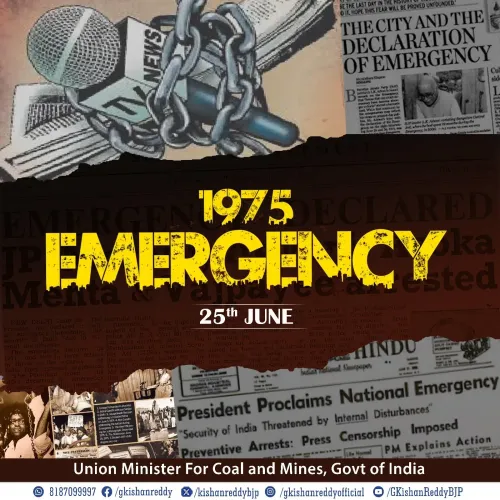
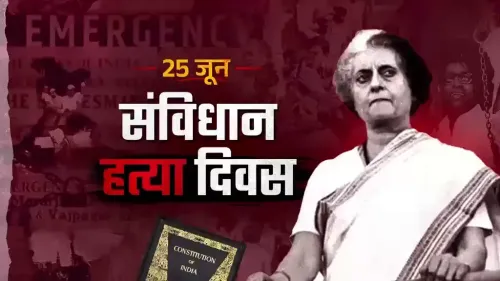
Samvidhan Hatya Diwas — Constitution Murder Day — is observed every year on 25 June, the anniversary of the night in 1975 when the Emergency was proclaimed. The Ministry of Home Affairs formally declared 25 June as Samvidhan Hatya Diwas through an official order in June 2024, institutionalising what had until then been an informal annual commemoration by the ruling dispensation.
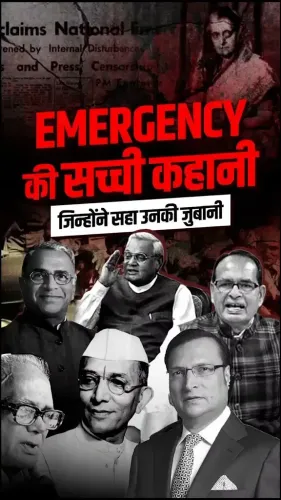
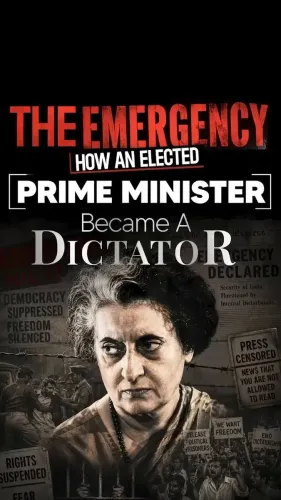
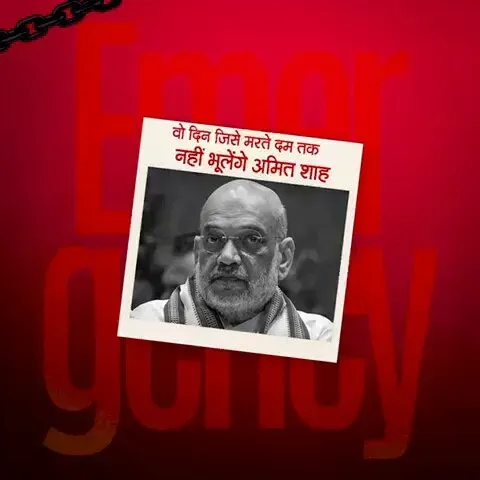
The Emergency, which lasted 21 months from June 1975 to March 1977, saw the suspension of fundamental rights, blanket press censorship, and the mass arrest of political opponents under the Maintenance of Internal Security Act (MISA). It remains one of the most contested episodes in post-Independence Indian political history.
Policy Backdrop
The BJP-led government has since 2014 consistently framed the Emergency as the Congress party's gravest transgression against democratic institutions. Annual observances on 25 June have become a fixture of the ruling party's political calendar, featuring official statements, social-media campaigns, and parliamentary references that position the present government as the custodian of constitutional values.
The formal declaration of Samvidhan Hatya Diwas in 2024 elevated these commemorations from party activity to state-backed observance, giving ministers like Vaishnaw an official occasion to issue such tributes. The hashtag #SamvidhanHatyaDiwas trends nationally each year as part of a coordinated campaign across government and party accounts.
Stakeholders and Impact
For the general public, particularly citizens old enough to have lived through the Emergency, the annual observance serves as a reminder of a period when civil liberties were curtailed without judicial remedy. Opposition parties — chiefly the Congress, whose government imposed the Emergency — typically contest the framing, arguing that the present government selectively invokes constitutional history.
Civil society organisations and constitutional scholars have long debated the Emergency's legacy, with some emphasising the resilience of democratic institutions that ultimately reasserted themselves through the 1977 general elections, which swept the Janata coalition to power and ended Indira Gandhi's government.
What's Next
State governments led by BJP and its allies are expected to hold commemorations and public programmes through the day. The anniversary is also likely to draw references in parliamentary proceedings and may inform future debates around constitutional and electoral law. As the observance becomes more embedded in the official calendar, its political salience — and the counter-narratives it provokes — will continue to shape how the 1975-77 period is remembered in public discourse.
Point of View
Senior ministers simultaneously fulfil an official commemorative duty and reinforce a political narrative that keeps the Congress's Emergency-era record in public view. The framing — Constitution, rights, freedom of expression — is carefully chosen to resonate with contemporary debates around democratic backsliding, allowing the BJP to occupy the high ground of constitutional guardianship. As this observance matures into an institutionalised fixture, it is likely to generate sharper counter-mobilisation from opposition parties seeking to contest that framing.
NationPress
25 Jun 2026
Frequently Asked Questions
What is Samvidhan Hatya Diwas?
Samvidhan Hatya Diwas, meaning 'Constitution Murder Day', is observed on 25 June each year to mark the anniversary of the proclamation of the 1975 Emergency . The Ministry of Home Affairs formally declared it a national observance in June 2024 .
What was the Emergency of 1975-77?
The Emergency was a 21-month period from June 1975 to March 1977 during which the government suspended fundamental rights, imposed press censorship, and carried out mass arrests of political opponents under the Maintenance of Internal Security Act ( MISA ).
Why did Ashwini Vaishnaw post about the Emergency on 25 June 2026?
25 June is Samvidhan Hatya Diwas , the government-designated day to commemorate the 1975 Emergency . As a senior Union Minister, Vaishnaw paid tribute to citizens who resisted the suspension of constitutional rights during that period.
Who imposed the Emergency in India in 1975?
The Emergency was proclaimed on the advice of Prime Minister Indira Gandhi , whose government cited internal disturbance as justification. It lasted until March 1977 , when her party was defeated in the general elections.
How does the BJP use the Emergency anniversary politically?
Since 2014 , the BJP -led government has used the 25 June anniversary to frame the Emergency as the Congress party's gravest attack on democratic institutions, positioning itself as the defender of constitutional values through official statements, social-media campaigns, and parliamentary references.