Vande Mataram bill 2026: Leaders divided as Rajya Sabha set to debate national song law
Synopsis
India's Monsoon Session opens with a politically charged flashpoint: a bill that would criminalise insults to 'Vande Mataram' with up to three years in prison. With supporters invoking the freedom struggle and critics calling the move hasty, the debate cuts to the heart of how India legislates national identity — and who gets to define it.
Key Takeaways
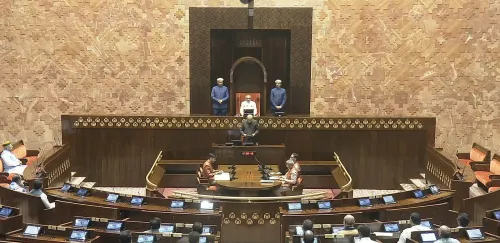
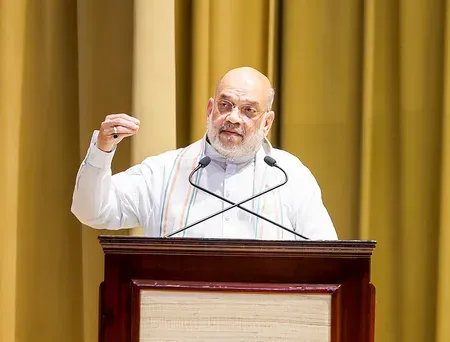
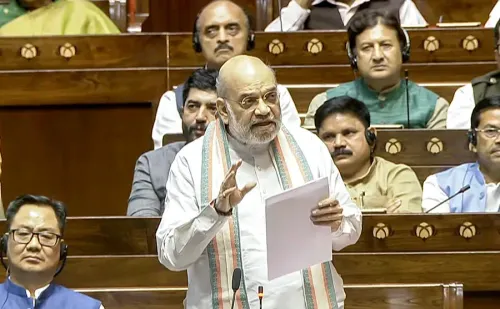
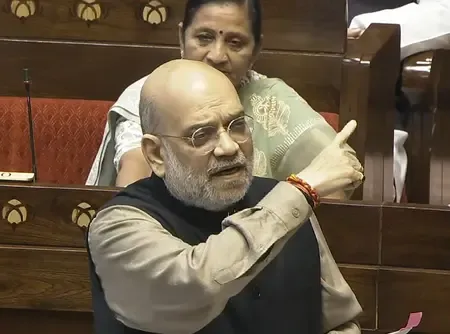
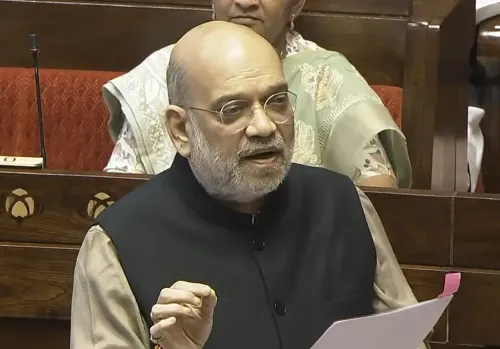
Union Home Minister Amit Shah is set to introduce the Prevention of Insults to National Honour (Amendment) Bill, 2026 in the Rajya Sabha on 21 July 2026 , the first day of the Monsoon Session.
The bill would extend to 'Vande Mataram' the same legal protection as the National Anthem, National Flag, and Constitution.
Insulting or disrupting the National Song could attract imprisonment of up to three years if the bill is passed.
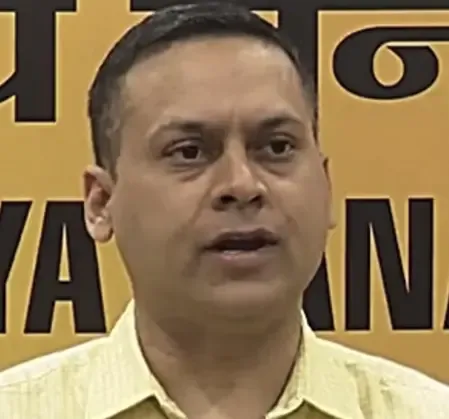
JD(U) MLA Shyam Rajak backed the bill, calling both the National Song and Anthem symbols of the freedom struggle.
UP Leader of Opposition Mata Prasad Pandey cautioned against equating 'Vande Mataram' with the National Anthem.
Kodandaram urged the government to defer the bill and consult scholars, calling the move 'a little hasty.'
Political leaders across party lines expressed sharply divergent views on Monday, 20 July 2026, over the proposed Prevention of Insults to National Honour (Amendment) Bill, 2026, which Union Home Minister Amit Shah is set to introduce in the Rajya Sabha on the first day of the Monsoon Session of Parliament. The bill seeks to extend to 'Vande Mataram' the same statutory protection currently afforded to the National Anthem, 'Jana Gana Mana'.
What the Bill Proposes
The proposed legislation aims to amend the Prevention of Insults to National Honour Act, 1971, placing the National Song on equal legal footing with the National Anthem, the National Flag, and the Constitution. If enacted, intentionally insulting, preventing, or disrupting the singing of 'Vande Mataram' would become a criminal offence carrying imprisonment of up to three years.
Leaders Who Back the Move
Janata Dal (United) MLA Shyam Rajak strongly endorsed the proposal, framing both the National Song and the National Anthem as inseparable symbols of India's independence movement. 'The national song and the national anthem are our heritage. Bankim Chandra Chatterjee and Rabindranath Tagore composed them. During India's freedom struggle, people raised slogans of Vande Mataram and voiced their opposition to the British. They are a matter of respect and sacred to us. If anyone obstructs or disrespects this sanctity, it is an insult to the nation…' Rajak said.
Voices of Caution
Uttar Pradesh Leader of Opposition Mata Prasad Pandey acknowledged the song's constitutional and historical significance while cautioning against conflating it with the National Anthem. 'Vande Mataram was accepted by the Constituent Assembly as the National Song. But now they are trying to make it the National Anthem. Vande Mataram is not something that should be opposed or rejected. Vande Mataram is a good thing…' he said.
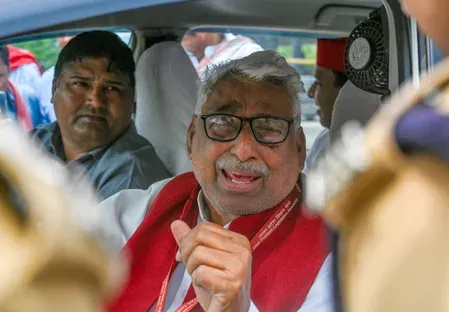
Telangana Jana Samithi (TJS) chief and MLC M. Kodandaram went further, urging the government to defer the bill and consult scholars before proceeding. Kodandaram noted that debates around 'Vande Mataram' date back to the pre-independence era, and that a Tagore-led committee had produced a shorter, widely accepted version of the song to resolve earlier controversies. 'The decision to introduce the longer version and make it compulsory, I think is a little hasty decision. And this decision, in my opinion, should be postponed. Learned people should be consulted before the government comes to a conclusion,' he said.
Historical Context
The controversies surrounding 'Vande Mataram' are not new. Composed by Bankim Chandra Chatterjee and first published in his 1882 novel Anandamath, the song became a rallying cry during the freedom struggle. The Constituent Assembly formally recognised it as the National Song in 1950, while 'Jana Gana Mana' was adopted as the National Anthem. A committee that included Rabindranath Tagore is credited with preparing the shorter version now in common use, which Kodandaram noted draws no significant objection.
What Happens Next
The bill's introduction in the Rajya Sabha during the Monsoon Session will test the government's ability to build cross-party consensus on a constitutionally and culturally sensitive issue. With opposition voices calling for wider consultation and supporters framing any delay as a failure to protect national heritage, the legislative debate is expected to be contentious. How the government responds to demands for a broader consultative process will shape the bill's prospects in both Houses.
Point of View
Precisely because of historical objections rooted in religious plurality. Criminalising disrespect without first resolving definitional ambiguity — which version, which occasion, which context constitutes 'insult' — risks creating a law that is selectively enforced. The demand for scholarly consultation, raised by Kodandaram, is not obstructionism; it is the kind of due diligence that prevents well-intentioned legislation from becoming a tool for harassment.
NationPress
21 Jul 2026
Frequently Asked Questions
What is the Prevention of Insults to National Honour (Amendment) Bill, 2026?
It is a proposed amendment to the Prevention of Insults to National Honour Act, 1971, that would give 'Vande Mataram' the same statutory legal protection currently enjoyed by the National Anthem 'Jana Gana Mana', the National Flag, and the Constitution. If passed, intentionally insulting or disrupting the National Song would be a criminal offence.
What is the punishment proposed under the Vande Mataram bill?
Those found guilty of intentionally insulting, preventing, or disrupting the singing of 'Vande Mataram' could face imprisonment of up to three years under the proposed amendment.
Who is introducing the Vande Mataram bill in Parliament?
Union Home Minister Amit Shah is scheduled to introduce the bill in the Rajya Sabha on the first day of the Monsoon Session of Parliament.
Why are some leaders opposing or questioning the bill?
Telangana Jana Samithi chief M. Kodandaram called the move 'a little hasty' and urged the government to consult scholars before proceeding, noting that controversies around 'Vande Mataram' date to the pre-independence era. UP Leader of Opposition Mata Prasad Pandey cautioned against equating the National Song with the National Anthem.
What is the difference between 'Vande Mataram' and 'Jana Gana Mana'?
'Jana Gana Mana' is India's National Anthem, adopted by the Constituent Assembly in 1950 and already protected under the Prevention of Insults to National Honour Act, 1971. 'Vande Mataram', composed by Bankim Chandra Chatterjee, was recognised as the National Song — a distinct and lesser statutory category — by the same Assembly. The proposed bill would close that legal gap.