Zoho co-founder Sridhar Vembu links 'Sanatanam' row to DMK's 2026 poll defeat
Synopsis
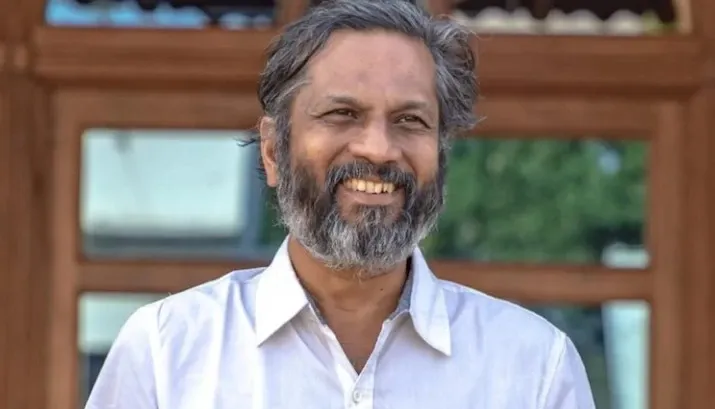
Zoho co-founder Sridhar Vembu's X post argues that the DMK's relentless attacks on 'Sanatanam' — a word most Tamil Hindus historically did not use — inadvertently popularised the term, deepened anti-DMK sentiment, and contributed to the party's 2026 Tamil Nadu election loss. His linguistic and cultural analysis has divided social media sharply.
Key Takeaways
Sridhar Vembu , co-founder of Zoho , posted on X on 14 May linking the DMK 's 'Sanatanam' attacks to its 2026 Tamil Nadu Assembly election defeat.
Vembu argued that 'Sanatanam' was not historically part of everyday Tamil Hindu vocabulary, unlike native terms such as 'Dharmam' and 'Aram' .
He claimed repeated attacks on the word ironically popularised it and expanded the already large anti-DMK vote in the state.
Vembu contrasted the DMK 's approach with the AIADMK , which he said avoided attacks on Hindu deities and benefited electorally as a result.
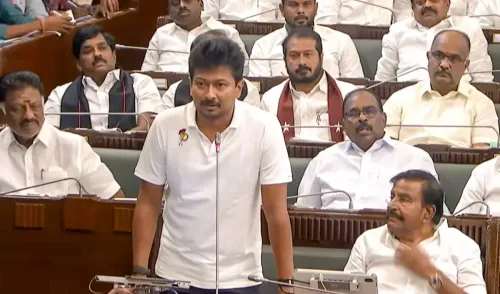
The post quoted Udhayanidhi Stalin 's remarks as having ensured the DMK 'would never come back', drawing sharp reactions from supporters and critics online.
Zoho co-founder Sridhar Vembu has sparked fresh debate over Tamil Nadu politics and religious identity after a strongly worded post on X argued that the DMK's repeated attacks on 'Sanatanam' directly contributed to the party's defeat in the 2026 Tamil Nadu Assembly elections. The post, attributed to Vembu on 14 May, connects linguistic nuance, Hindu cultural sentiment, and long-running anti-DMK electoral currents in the state.
The Linguistic Argument
At the core of Vembu's argument is a distinction between Sanskrit-derived and Tamil-rooted religious vocabulary. He contended that the word 'Sanatanam' was historically not part of the everyday lexicon of most ordinary Tamil-speaking Hindus, unlike native Tamil terms such as 'Dharmam', 'Dharumam', and 'Aram' — all of which carry deep associations with righteousness, morality, and spiritual virtue in Tamil culture.
Vembu argued that had former Deputy Chief Minister Udhayanidhi Stalin directly attacked 'Dharmam' in Tamil, the backlash from the Hindu population would have been significantly sharper, as it would have been read as a frontal assault on moral and religious values. The relative unfamiliarity of 'Sanatanam', he suggested, initially cushioned public reaction.
How Repeated Attacks Backfired, According to Vembu
Vembu's post claimed that the DMK's sustained criticism of 'Sanatanam' produced an unintended consequence: it popularised the term among Tamil speakers and hardened the perception that the party is hostile to Hindu beliefs and traditions. This, he argued, energised and expanded the already substantial anti-DMK voter bloc.
In his own words from the post: 'With all his 'sincere' effort, he (Udhayanidhi Stalin) is making the word known in Tamil too, and he has made the already huge anti DMK vote in Tamil Nadu even bigger. The DMK has never won a majority on its own ever, because of that huge, strong anti-DMK current. They established that current with their constant attacks on Hindu deities. The AIADMK never did that, and they harvested the anti-DMK current well.'
Vembu added pointedly: 'Udayanidhi wants to ensure the DMK would never come back. May the eternal sanatana dharma grant his wish.'
Electoral Context: DMK's 2026 Defeat
The post explicitly tied these observations to the outcome of the 2026 Tamil Nadu Assembly elections, in which the DMK lost power despite fielding a strong alliance, significant campaign expenditure, and considerable organisational muscle. Vembu argued that anti-DMK sentiment has accumulated steadily over the years, fuelled by repeated controversies involving Hindu symbols and religious issues. Notably, Vembu contrasted the DMK's approach with that of the All India Anna Dravida Munnetra Kazhagam (AIADMK), which he credited with harvesting this anti-DMK current by avoiding similar religious attacks.
Online Reaction and Broader Debate
The post has ignited intense discussion across social media, with supporters and critics sharply divided over its political and cultural implications. Supporters have cited it as a data-backed cultural analysis, while critics have questioned whether electoral outcomes can be attributed to a single ideological thread. This is not the first time Vembu — known for his outspoken commentary on Indian civilisational issues — has weighed in on Tamil Nadu's political fault lines. The debate over Udhayanidhi Stalin's remarks on Sanatanam, first made in 2023, has remained a flashpoint in state and national politics ever since.
With the DMK now in opposition and the 'Sanatanam' controversy showing no signs of fading, Vembu's intervention is likely to keep the discourse alive well into the post-election period.
Point of View
Alliance arithmetic, and economic sentiment. That said, he surfaces a genuine tension the mainstream commentary has skirted — the DMK's framing of 'Sanatanam' as a Sanskrit imposition may have landed differently in urban English-speaking circles than among Tamil-medium rural voters for whom 'Dharmam' and 'Aram' are lived vocabulary. The AIADMK comparison is pointed: the party's studied silence on Hindu religious symbols has historically allowed it to absorb the protest vote without alienating secular constituents. Whether the 2026 defeat is primarily a 'Sanatanam effect' or a broader governance verdict remains a question the post does not fully answer — and one that Tamil Nadu's political class will be debating for years.
NationPress
23 Oct 2026
Frequently Asked Questions
What did Sridhar Vembu say about the DMK and 'Sanatanam'?
Sridhar Vembu argued in an X post on 14 May that the DMK's repeated attacks on 'Sanatanam' inadvertently popularised the term among Tamil speakers and strengthened anti-DMK sentiment, contributing to the party's defeat in the 2026 Tamil Nadu Assembly elections. He also contended that had Udhayanidhi Stalin attacked the Tamil word 'Dharmam' instead, the backlash would have been far more severe.
Why does Vembu distinguish between 'Sanatanam' and 'Dharmam'?
Vembu argues that 'Sanatanam' is a Sanskrit-derived term historically unfamiliar to most ordinary Tamil-speaking Hindus, while 'Dharmam', 'Dharumam', and 'Aram' are native Tamil words deeply embedded in the culture as expressions of righteousness and moral virtue. He suggests this linguistic gap initially softened public reaction to the DMK's attacks.
What happened to the DMK in the 2026 Tamil Nadu elections?
According to Vembu's post, the DMK lost power in the 2026 Tamil Nadu Assembly elections despite fielding a strong alliance, significant campaign spending, and strong organisational presence. He attributes part of this loss to accumulated anti-DMK sentiment linked to the party's stance on Hindu religious issues.
How does the AIADMK factor into Vembu's argument?
Vembu credited the AIADMK with benefiting from anti-DMK sentiment by avoiding attacks on Hindu deities and religious symbols — a contrast he used to argue that the DMK's approach on 'Sanatanam' was electorally self-defeating.
What has been the public reaction to Vembu's post?
The post has triggered intense debate online, with supporters viewing it as a culturally grounded political analysis and critics questioning whether a single ideological controversy can explain a complex election outcome. The discussion reflects broader divisions over religion, language, and identity in Tamil Nadu politics.