CM Himanta: Vrindavani Vastra to Return to Assam from British Museum

Synopsis
Assam Chief Minister Himanta Biswa Sarma has announced that the Vrindavani Vastra, a 16th-century Assamese silk textile held at the British Museum, will soon arrive in Assam for public viewing, following a visit to the London museum by Auniati Satra's Satradhikar Sri Sri Pitambar Deva Goswami.
Key Takeaways
Assam CM Himanta Biswa Sarma announced on June 16, 2026 that the Vrindavani Vastra will soon be brought to Assam for public display.
The Vrindavani Vastra is a 16th-century Assamese silk textile held at the British Museum in London since the early 20th century.
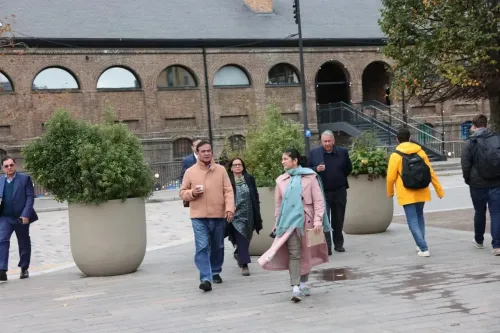
Sri Sri Pitambar Deva Goswami , Satradhikar of Auniati Satra , personally visited the British Museum and witnessed the textile.
The artefact is linked to the Assamese saint-reformer Srimanta Sankardev and is of deep significance to Vaishnavite communities across the North-East .
No formal timeline or agreement for the textile's arrival in Assam has been officially confirmed as yet.
The move aligns with a broader national effort by Indian states to reclaim colonial-era cultural artefacts from overseas institutions.
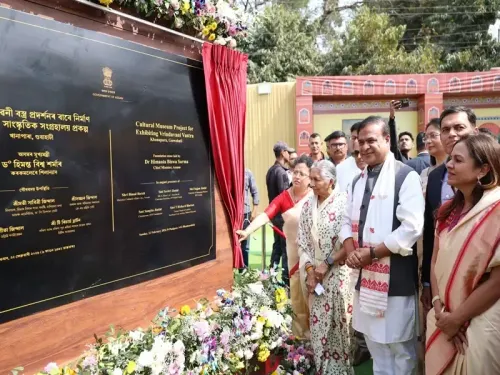
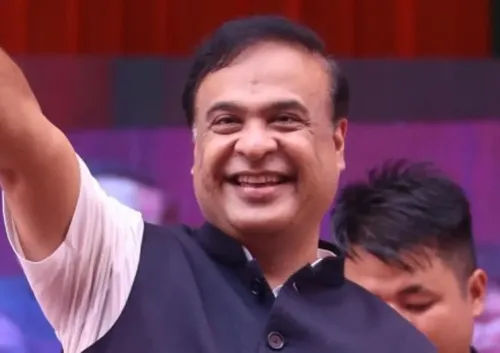
Assam Chief Minister Himanta Biswa Sarma on Tuesday, June 16, 2026, announced that the Vrindavani Vastra — a priceless 16th-century Assamese silk textile held at the British Museum in London — will soon be brought to Assam for public viewing, following a visit by Sri Sri Pitambar Deva Goswami, the Satradhikar of Auniati Satra, to the London institution.
Context
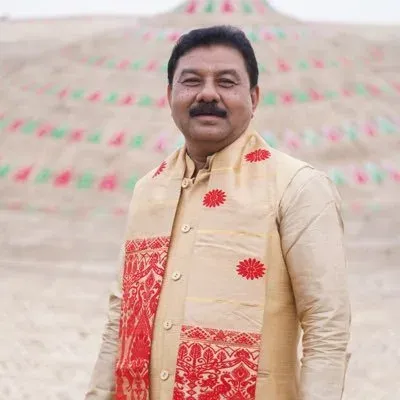
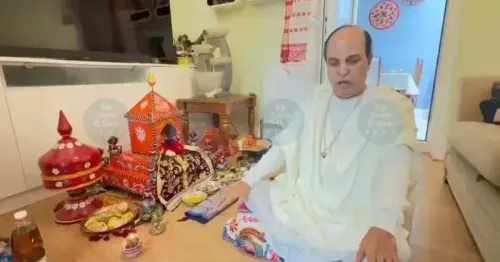
Sri Sri Pitambar Deva Goswami, the Satradhikar (head) of Auniati Satra, one of Assam's most revered Vaishnavite monasteries, visited the British Museum where he personally witnessed the Vrindavani Vastra. CM Sarma described Goswami as 'one of the most authoritative voices on Vaishnavite culture' from whom the state receives 'invaluable guidance from time to time.'
The Chief Minister confirmed that the textile — a possession he called 'priceless' — 'will soon be in Assam for people to see and experience,' signalling active diplomatic and cultural engagement with the British institution over the artefact.
Policy Backdrop
The Vrindavani Vastra is a rare 16th-century Assamese silk textile bearing motifs from Vrindavan, believed to have been woven under the guidance of the saint-reformer Srimanta Sankardev, the founding figure of Assam's Ekasarana Nama Dharma Vaishnavite tradition. The textile has been held at the British Museum since the early 20th century.
Assam's engagement over this artefact fits within a broader national pattern in which Indian states have pursued the return or temporary loan of colonial-era cultural objects from British institutions. For Assam, objects tied to the Sankardev tradition carry particular significance, as they underpin the identity of the state's satra (monastery) institutions and the wider Vaishnavite community.
Stakeholders and Impact
Auniati Satra, located in Majuli — the world's largest river island and a UNESCO-recognised cultural landscape — is among the most prominent of Assam's satras. Its Satradhikar's direct visit to the British Museum lends religious and cultural authority to the state's effort to bring the textile home.
For Assam's Vaishnavite communities, the Vrindavani Vastra is not merely a historical artefact but a living symbol of the Sankardev legacy. A public exhibition of the textile in Assam would be a significant cultural moment for lakhs of devotees and scholars connected to the satra tradition across the North-East.
What's Next
While CM Sarma has indicated the Vrindavani Vastra will arrive in Assam 'soon,' the precise timeline and the nature of any formal arrangement — whether a permanent return or a temporary loan for exhibition — have not been officially confirmed. Diplomatic and institutional channels between the Assam government and the British Museum are understood to be active.
The development is likely to intensify broader conversations in India about the repatriation of culturally significant objects held in overseas institutions, with Assam positioning itself at the forefront of heritage reclamation in the North-East.
Point of View
Using the Satradhikar's London visit as both a symbolic and practical lever. By foregrounding a religious authority rather than a bureaucratic channel, the Assam government lends spiritual legitimacy to what is essentially a heritage repatriation push. This fits a wider BJP-governed-state pattern of anchoring political messaging in regional cultural pride and civilisational continuity. The outcome — whether a permanent return or a temporary loan — will set a precedent for how North-Eastern states negotiate with major Western museums over colonial-era holdings.
NationPress
23 Sept 2026
Frequently Asked Questions
What is the Vrindavani Vastra?
The Vrindavani Vastra is a 16th-century Assamese silk textile bearing Vrindavan motifs, believed to have been woven under the guidance of the saint-reformer Srimanta Sankardev. It has been held at the British Museum in London since the early 20th century and is considered a priceless artefact of Assam's Vaishnavite heritage.
Will the Vrindavani Vastra be permanently returned to Assam or just loaned?
Assam CM Himanta Biswa Sarma has stated the textile will 'soon be in Assam for people to see and experience,' but the precise nature of the arrangement — permanent repatriation or temporary loan for exhibition — has not been officially confirmed.
Who is Sri Sri Pitambar Deva Goswami?
Sri Sri Pitambar Deva Goswami is the Satradhikar, or head, of Auniati Satra, one of Assam's most historic Vaishnavite monasteries located in Majuli. He is regarded as one of the foremost authorities on Assam's Vaishnavite cultural traditions.
What is Auniati Satra?
Auniati Satra is a historic Vaishnavite monastery in Majuli, Assam, linked to the Srimanta Sankardev tradition of Ekasarana Nama Dharma. It is one of the most prominent among Assam's satra institutions and holds significant religious and cultural importance.
Why is the Vrindavani Vastra important to Assam?
The Vrindavani Vastra is directly associated with Srimanta Sankardev, the 15th-16th century saint who founded Assam's dominant Vaishnavite tradition. Its return to Assam would be a major cultural moment for the state's satra communities and Vaishnavite devotees across the North-East.