CM Himanta: Assam museum readied for Vrindavani Vastra homecoming
Synopsis
Assam CM Himanta Biswa Sarma announced on 18 August 2026 that a museum in Guwahati is being built to house the Vrindavani Vastra, a centuries-old embroidered textile masterpiece created by Vaishnavite saint Srimanta Sankardev, marking a significant cultural preservation milestone for the state.
Key Takeaways
Assam CM Himanta Biswa Sarma announced on 18 August 2026 that the state will soon receive the Vrindavani Vastra .
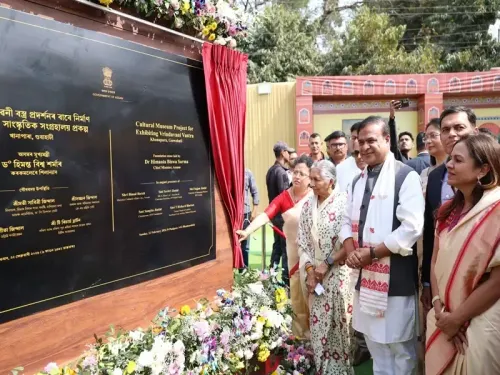
A dedicated museum in Guwahati is under active construction to house the artefact.
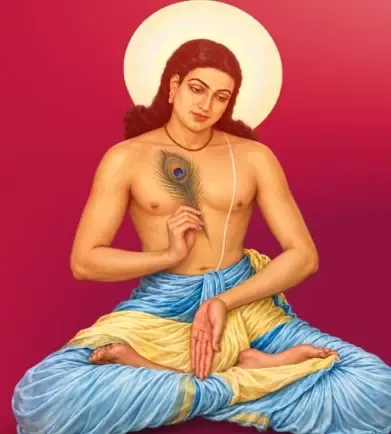
The Vrindavani Vastra is an intricately embroidered cloth depicting scenes from Lord Krishna's life, attributed to Srimanta Sankardev .
Sankardev was a 15th–16th century Vaishnavite saint who founded the ek-sarana naam-dharma movement and shaped Assam's cultural identity.
The museum positions Guwahati as a centre for Assamese civilisational heritage and public cultural memory.
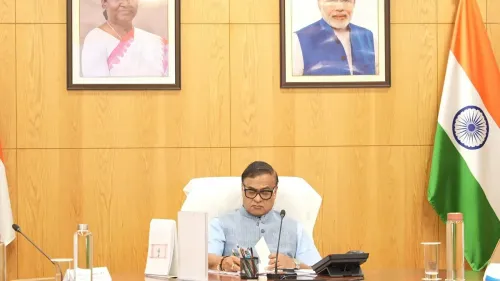
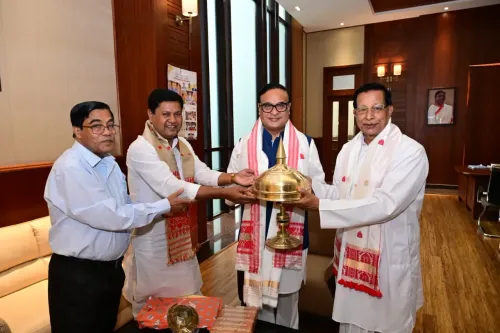
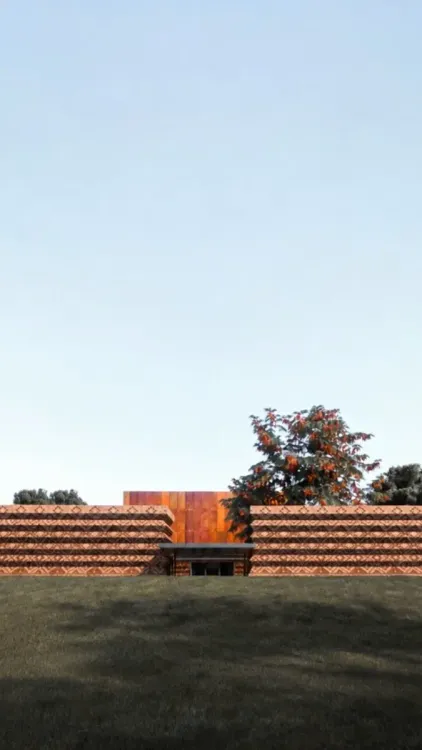
A masterpiece woven centuries ago is about to find a home. Assam Chief Minister Himanta Biswa Sarma announced on 18 August 2026 that the state is preparing to receive the Vrindavani Vastra — a revered textile creation of the 15th-century saint-scholar Mahapurush Srimanta Sankardev — and that construction work on a dedicated museum in Guwahati is actively underway to house it.
What is the Vrindavani Vastra and why it matters to Assam
The Vrindavani Vastra is an extraordinarily intricate piece of cloth embroidered with scenes from the life of Lord Krishna, attributed to Srimanta Sankardev, the towering 15th–16th century Vaishnavite saint who reshaped the cultural, spiritual, and literary identity of Assam. Sankardev founded the ek-sarana naam-dharma (the path of single-minded devotion) movement and is credited with composing the Borgeet devotional songs, the Ankia Naat theatrical tradition, and pioneering the sattra monastic institution — all of which remain living traditions in Assam today. The Vrindavani Vastra stands as one of the most tangible material legacies of that entire civilisational project.
A museum in Guwahati: the infrastructure of cultural memory
Sarma's post signals that the state government has moved beyond intent to active construction. A dedicated museum in Guwahati — Assam's largest city and commercial capital — would give the Vrindavani Vastra both a permanent address and a public audience, turning a sacred heirloom into an accessible cultural landmark. The framing of the artefact as a 'timeless creation' in the Chief Minister's own words underscores the state's positioning of this effort as cultural preservation, not merely infrastructure spending.
For a region that has long argued its civilisational depth deserves greater national recognition, the arrival of the Vrindavani Vastra in a purpose-built Guwahati museum would be a pointed statement — one artefact anchoring an entire identity.
Point of View
Corridors, and conservation projects that serve both preservation and political identity goals. For CM Sarma, championing Srimanta Sankardev's legacy is particularly potent: Sankardev is a unifying figure who transcends caste and community in Assam, making this an unusually non-divisive cultural bet. The Guwahati museum, once complete, could also become a soft-power anchor for the North-East, drawing heritage tourism and reinforcing Assam's claim to a distinct civilisational lineage within the Indian cultural mosaic.
NationPress
3 Oct 2026
Frequently Asked Questions
What is the Vrindavani Vastra?
The Vrindavani Vastra is a centuries-old embroidered textile attributed to the Assamese Vaishnavite saint Srimanta Sankardev, depicting scenes from the life of Lord Krishna. It is considered one of the most significant material cultural artefacts of Assam.
Who was Srimanta Sankardev?
Srimanta Sankardev was a 15th–16th century saint, scholar, and reformer from Assam who founded the 'ek-sarana naam-dharma' Vaishnavite movement. He is credited with creating the Borgeet devotional songs, the Ankia Naat theatre form, and the sattra monastic tradition, profoundly shaping Assam's culture.
Where will the Vrindavani Vastra be kept in Assam?
According to CM Himanta Biswa Sarma, a dedicated museum is being constructed in Guwahati to house the Vrindavani Vastra. The museum is currently under active construction as of August 2026.
When did CM Himanta announce the Vrindavani Vastra museum?
CM Himanta Biswa Sarma made the announcement on 18 August 2026 via a post on X, stating that work on the Guwahati museum is 'in full swing' and that Assam is 'gearing up' to receive the artefact.
Why is the Vrindavani Vastra significant for Assam?
The Vrindavani Vastra is a direct material link to Srimanta Sankardev, the defining cultural and spiritual figure of Assam. Housing it in a public museum in Guwahati would make it accessible to all Assamese people and establish the city as a centre of the state's civilisational heritage.