Pahalgam waterlogging: Heavy rain floods hotels, shops in J&K hill station
Synopsis
Pahalgam's hotels, shops, and taxi stand were flooded on 1 September as the Lidder River surged after heavy rain — the latest in a worsening series of cloudbursts across J&K that scientists link to climate change and unchecked deforestation stripping the mountains of protective tree cover.
Key Takeaways
Heavy rainfall on 1 September caused waterlogging in Pahalgam , Anantnag district , J&K, flooding hotels, shops, and the taxi stand.
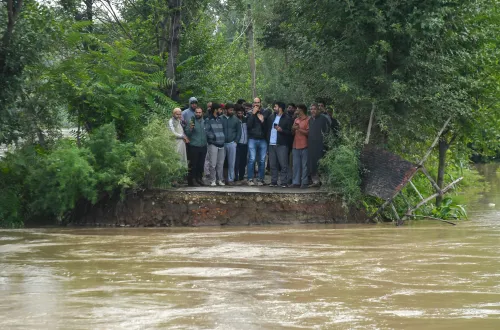
The Lidder River rose sharply, with authorities monitoring water levels closely.
The Meteorological Centre Srinagar warned of possible flash floods, mudslides, and landslides across vulnerable areas.
Residents and tourists were advised to stay away from water channels and exposed locations.
Environment scientist Mansha Nisar attributed the damage to 'mindless and unbelievably self-destructive' development and urbanisation.
Ecologists warn that large-scale deforestation in J&K's mountains is amplifying the destructive impact of every heavy rain event.
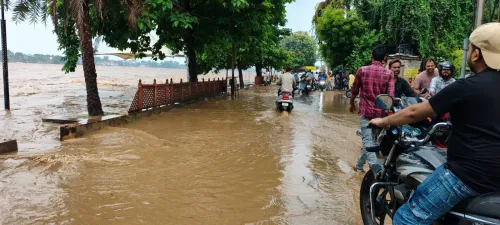
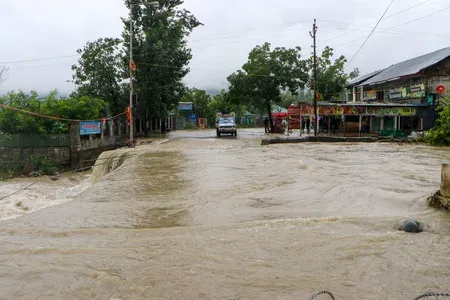
Heavy rainfall on Tuesday, 1 September triggered severe waterlogging in Pahalgam, the popular hill station in Jammu and Kashmir's Anantnag district, with water entering hotels, shops, and the local taxi stand. The Lidder River rose sharply as the downpour intensified, raising concerns among residents and tourists alike.
Ground Situation in Pahalgam
Officials confirmed that the intense rainfall lashed Pahalgam town, inundating several roads and low-lying areas and disrupting normal movement across the hill station. Water accumulated at multiple locations, with the taxi stand and commercial establishments bearing the brunt of the flooding. Authorities kept a close watch on the swollen Lidder River as water levels continued to rise.
Weather Warning and Advisory
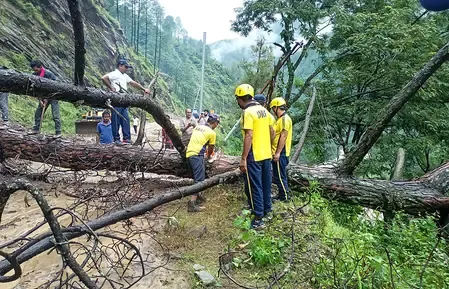
The Meteorological Centre Srinagar had forecast light to moderate rain and thundershowers across several parts of Jammu and Kashmir, while also warning that intense spells could trigger flash floods, mudslides, and landslides in vulnerable zones. Residents and visitors in Pahalgam were advised to exercise caution near water channels and other exposed locations, as further rainfall activity remained likely.
A Recurring Crisis Across the Valley
The Pahalgam waterlogging is part of a broader and worsening pattern. The Kashmir Valley and the Jammu division have been witnessing a sharp and unusual rise in cloudbursts, triggering flash floods and surging rivers and streams. This comes amid growing alarm among environmental scientists, who attribute the escalating incidents to global climate change compounded by large-scale deforestation in the mountain ranges.
Ecologists argue that the absence of dense tree cover in the highlands leaves slopes exposed, allowing cloudbursts to wash stones, mud, and debris directly into low-lying settlements. 'We are paying the price for so-called development and urbanisation which has been mindless and unbelievably self-destructive,' said environment scientist Mansha Nisar.
The Deforestation Factor
Scientists widely blame the ruthless deforestation and near-total absence of tree cover on the region's mountains for amplifying the damage from every heavy rain event. Ecologists believe that a restored forest canopy would slow runoff and absorb rainfall, significantly reducing the destructive force that currently funnels debris into towns like Pahalgam. Without urgent intervention, experts warn, such flooding episodes are likely to intensify in frequency and severity.
Point of View
Yet deforestation on the mountain slopes continues largely unchecked. The scientific consensus is clear: tree cover slows runoff and buffers settlements from debris flows. The harder question is why that consensus has not translated into enforceable land-use policy. Pahalgam is also a major tourist destination, and repeated flooding of its hotels and commercial areas carries an economic cost that should concentrate official minds far more than it evidently has.
NationPress
1 Sept 2026
Frequently Asked Questions
What caused the waterlogging in Pahalgam on 1 September?
Heavy rainfall on 1 September caused waterlogging across Pahalgam town in Anantnag district, J&K, flooding hotels, shops, and the taxi stand while raising the water level of the Lidder River. The intense downpour was part of a wider spell of unsettled weather across Jammu and Kashmir.
Was there a flood warning issued for Pahalgam?
Yes. The Meteorological Centre Srinagar had forecast light to moderate rain and thundershowers, and warned that intense spells could trigger flash floods, mudslides, and landslides in vulnerable areas. Residents and visitors were advised to stay cautious near water channels.
Why is flooding becoming more frequent in Jammu and Kashmir?
Environmental scientists attribute the rising frequency of cloudbursts and flash floods in J&K to global climate change combined with large-scale deforestation that has stripped mountain slopes of protective tree cover. Without forest cover, heavy rain rapidly funnels debris and water into low-lying settlements.
What did environment scientist Mansha Nisar say about the flooding?
Environment scientist Mansha Nisar stated: 'We are paying the price for so-called development and urbanisation which has been mindless and unbelievably self-destructive.' Nisar's remarks reflect a broader scientific view that unchecked urban expansion and deforestation are worsening flood risk across the region.
Which areas of Pahalgam were most affected?
Several roads, low-lying areas, hotels, shops, and the taxi stand in Pahalgam town were inundated. The Lidder River remained swollen, and authorities continued to monitor the situation as further rainfall remained possible.