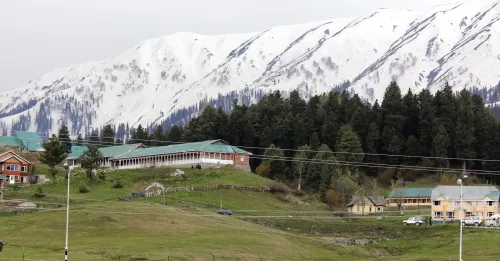
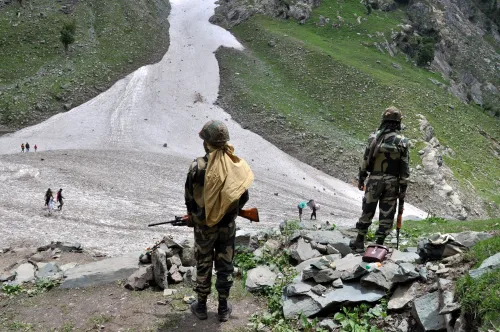
Cloudburst hits Bijbehara-Pahalgam road in Kashmir, tourists evacuated safely

Synopsis
A cloudburst late Saturday battered the Bijbehara-Pahalgam road in Kashmir, washing away sections of the route and cutting off electricity and water supply — all during peak tourist season. Authorities evacuated visitors in time, but the incident is a sharp reminder of how monsoon extremes and decades of deforestation are making Kashmir's hill roads increasingly fragile.
Key Takeaways
A cloudburst struck the Pahalgam-Avoora-Bijbehara road in Kashmir late Saturday evening, 12 July .
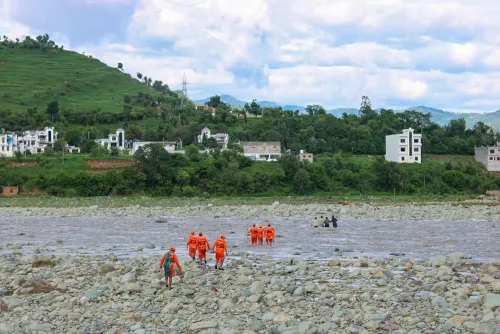
No casualties or injuries were reported; tourists were shifted to safer locations as a precaution.
The event disrupted electricity supply and drinking water services in affected areas.
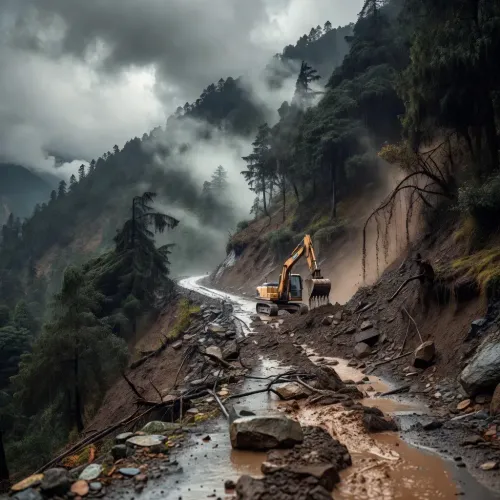
Road sections were washed away, severing connectivity to several villages and tourist destinations during peak travel season .
Experts cite deforestation , encroachment, and choked drainage channels as key factors amplifying cloudburst damage in the region.
Restoration work is expected to begin once weather conditions improve ; official advisories urge people to avoid unnecessary travel.
A cloudburst struck the Bijbehara-Pahalgam road in Kashmir late Saturday evening, causing significant damage to the Pahalgam-Avoora-Bijbehara route and disrupting vehicular movement, officials confirmed on Sunday, 12 July. All residents and tourists have been moved to safety, with no casualties or injuries reported.
Extent of the Damage
The cloudburst washed away sections of the road, rendering the route unsafe for traffic. Beyond road connectivity, the extreme weather event also disrupted electricity supply and drinking water services in the affected areas, compounding hardship for local communities and visitors during the ongoing peak travel season.
Authorities acted swiftly, shifting tourists to safer locations as a precautionary measure. Officials have begun assessing the full extent of the damage, with restoration work expected to commence once weather conditions improve.
Impact on Connectivity and Tourism
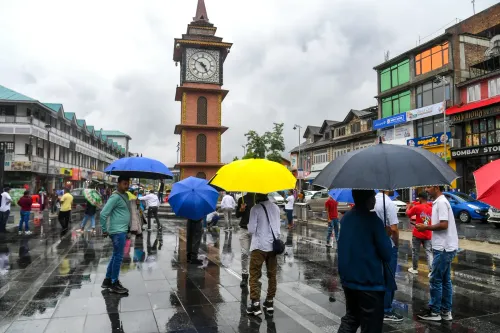
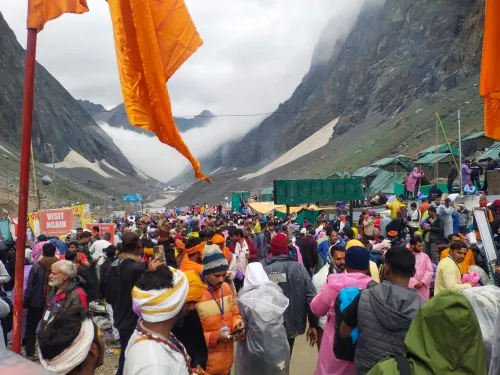
The disruption has severed connectivity to several villages and tourist destinations along the route. The timing is particularly challenging — Pahalgam is among Kashmir's most visited destinations during summer months, and stranded travellers are facing significant inconvenience. Residents have urged the district administration and relevant departments to expedite repair of the road, electricity network, and water supply infrastructure.
What Experts Say About the Cause
Experts attribute the recurring damage from cloudbursts in hilly parts of Jammu and Kashmir to a combination of factors: large-scale deforestation, encroachment on forest lands, the choking of natural drainage channels, and the indiscriminate dumping of waste by trekkers and tourists in highland areas during summer.
Dr Mansha Nisar, an environmental scientist, said: 'Ecology and environment have taken the worst beating due to the callousness and extreme selfishness of humankind in the so-called modern times, and now nature is paying us back in the same coin. It is a tit for tat situation.'
Advisories and What Comes Next
Authorities have advised people to avoid unnecessary travel in the affected area and to follow official advisories until road connectivity and essential services are fully restored. Locals have stressed the need for long-term structural measures — including reinforcing road infrastructure and strengthening disaster preparedness — to reduce the region's vulnerability to such events in future monsoon seasons.
Point of View
Cloudbursts tear through Kashmir's hill roads — and every year, the response cycle is the same: evacuate, assess, restore, repeat. What is missing is a reckoning with the structural drivers. Deforestation and encroachment on forest land have been flagged by scientists for years, yet land-use enforcement in the region remains weak. The tourism boom that Kashmir has witnessed since 2022 is adding pressure to fragile highland ecosystems through waste accumulation and trail degradation. Until disaster preparedness moves upstream — into land management, drainage engineering, and tourist load regulation — the Bijbehara-Pahalgam road will not be the last casualty of a Kashmir monsoon.
NationPress
10 Oct 2026
Frequently Asked Questions
What happened on the Bijbehara-Pahalgam road in Kashmir?
A cloudburst late Saturday evening damaged the Pahalgam-Avoora-Bijbehara road in Kashmir, washing away sections of the route and disrupting vehicular movement. Electricity and drinking water supply in the affected areas were also cut off.
Were any tourists or residents injured in the Kashmir cloudburst?
No casualties or injuries were reported. Authorities moved tourists to safer locations as a precautionary measure, and all residents and visitors were confirmed safe by officials on Sunday, 12 July.
When will the Bijbehara-Pahalgam road be restored?
Officials have begun assessing the damage, but restoration work is expected to commence only after weather conditions improve. No specific timeline has been announced; authorities have advised people to avoid the affected area until connectivity is fully restored.
Why are cloudbursts so damaging in Kashmir's hilly areas?
Experts point to large-scale deforestation, encroachment on forest land, and the choking of natural drainage channels as the primary reasons cloudbursts cause disproportionate damage in Jammu and Kashmir. Waste dumping by trekkers and tourists in highland areas has also been identified as a contributing factor.
What should travellers heading to Pahalgam do right now?
Authorities have advised people to avoid unnecessary travel in the affected area and to follow official advisories until road connectivity and essential services are fully restored. Travellers should check with local administration before planning trips along the Bijbehara-Pahalgam route.