Amul parlours in 18,000 Gujarat villages to be run by women, CM Patel announces
Synopsis
Gujarat is set to plant women-run Amul milk parlours in 18,000 villages — arguably the largest state-backed dairy retail push for self-help groups in India. Backed by a GLPC-Amul MoU, ₹45 lakh in immediate credit support, and digital skilling tie-ups, it positions the dairy cooperative as the backbone of Gujarat's Lakhpati Didi drive ahead of a 2029 national target.
Key Takeaways
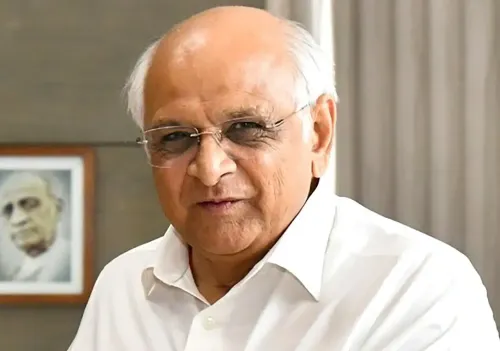
Gujarat CM Bhupendra Patel announced women-run Amul milk parlours in 18,000 villages on 10 October 2026 in Rajkot .
The initiative is backed by an MoU between the Gujarat Livelihood Promotion Company (GLPC) and Amul .
Cash credit cheques worth ₹45 lakh were distributed; dairy SHGs received ₹40 lakh .
More than 8.5 lakh women in Gujarat have already become Lakhpati Didis ; PM Modi targets six crore nationally by 2029 .
Gujarat disbursed ₹800 crore for women's economic empowerment last year.
Over 8,500 SHGs generated ₹40 crore in sales at 236 Saras Melas over five years.
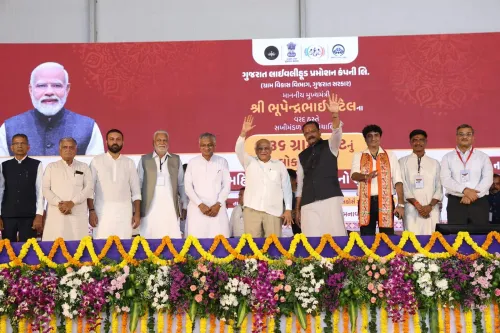
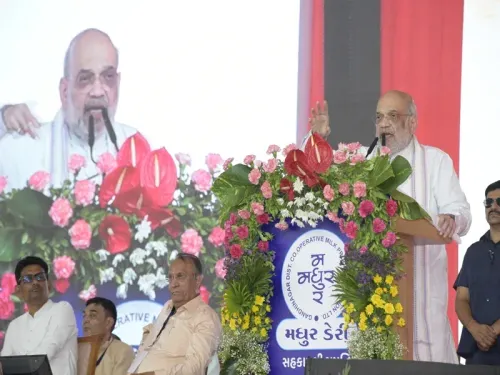
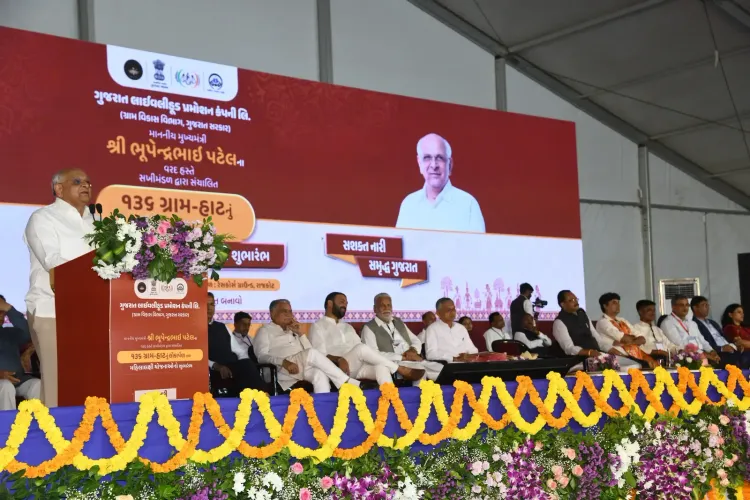
Gujarat Chief Minister Bhupendra Patel on Saturday, 10 October 2026, announced plans to establish women-run Amul milk parlours across 18,000 villages in the state, in a bid to deepen rural women's participation in the dairy economy. The initiative is being formalised through a memorandum of understanding between the Gujarat Livelihood Promotion Company (GLPC) and Amul, India's largest dairy cooperative.
What the Initiative Involves
The proposed network of parlours is designed to offer women associated with self-help groups (SHGs) a direct entry point into the dairy value chain, giving them an independent and structured source of income. Patel made the announcement during the launch of a series of women-focused programmes in Rajkot, held ahead of the Navratri festival.
As part of the event, Amul parlour allotment letters were distributed to beneficiaries, alongside financial assistance for SHGs. Cash credit cheques worth ₹45 lakh were handed over to various groups — of which dairy-related SHGs received ₹40 lakh. An additional ₹1,08,640 was disbursed to other Sakhi Mandals under an e-commerce incentive scheme.
Government's Broader Women Empowerment Push
'The state government wanted to strengthen women's economic participation and help them become self-reliant through employment and entrepreneurship,' Chief Minister Patel said at the event.
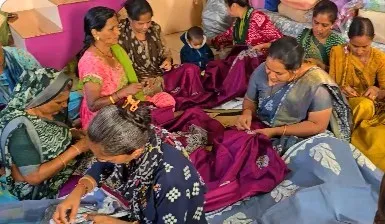
Agriculture and Farmers Welfare Minister Jitu Vaghani highlighted that coordination between the Cooperation and Animal Husbandry departments would drive women's economic empowerment forward. He noted that more than three lakh Sakhi Mandals are currently active across Gujarat, working to help women achieve financial independence.
The GLPC also signed memorandums of understanding with institutions, government departments, banks, and organisations to support marketing of products made by women's groups. Institutions such as the National Institute of Fashion Technology and the Mudra Institute of Communications, Ahmedabad, will reportedly guide women in developing digital entrepreneurship skills.
Lakhpati Didi Progress and Financial Targets
Patel said more than 8.5 lakh women in Gujarat have already achieved the status of Lakhpati Didis — women earning over ₹1 lakh annually — referencing Prime Minister Narendra Modi's national target of bringing six crore women to this status by 2029. The state government disbursed ₹800 crore in assistance last year for women's economic empowerment programmes and has indicated readiness to scale that up.
Role of Mission Mangalam and Saras Melas
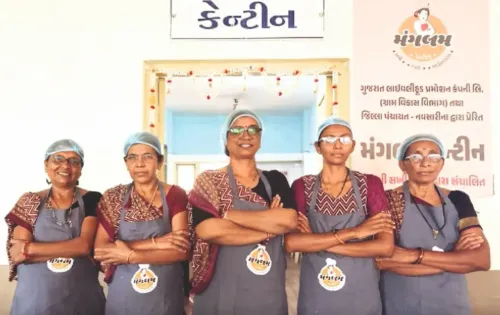
Rural Development Minister Kunvarji Bavaliya credited Mission Mangalam with strengthening rural women's livelihoods. He cited sales of approximately ₹40 crore generated by around 8,500 self-help groups at 236 Saras Melas across Gujarat over five years, underlining how organised market access has bolstered women-led enterprises. The proposed milk parlour network is expected to add a dedicated retail channel to these ongoing livelihood efforts.
With Amul's brand muscle and the state's SHG infrastructure combining for the first time at this scale, the initiative will be closely watched as a potential model for dairy-linked rural women's entrepreneurship across India.
Point of View
Sidestepping the usual cold-start problem for rural women entrepreneurs. However, the announcement arrives with immediate cash disbursements that are modest relative to the ambition — ₹45 lakh spread across thousands of groups is seed money at best. The real test will be whether Amul's supply-chain discipline and the GLPC's outreach combine to produce sustainable margins for parlour owners, or whether this becomes another photo-op scheme that stalls at roll-out. Gujarat's SHG ecosystem is among India's most mature, which gives this a better-than-average chance — but execution timelines and per-parlour economics have not yet been disclosed.
NationPress
10 Oct 2026
Frequently Asked Questions
What is the Amul milk parlour initiative announced by Gujarat CM Bhupendra Patel?
It is a scheme to set up women-run Amul milk parlours in 18,000 villages across Gujarat, formalised through a memorandum of understanding between the Gujarat Livelihood Promotion Company (GLPC) and Amul. The initiative aims to give women in self-help groups a direct income source through dairy retail.
Who will run these Amul parlours in Gujarat's villages?
Women associated with self-help groups (Sakhi Mandals) will run the parlours. The state currently has more than three lakh Sakhi Mandals active across Gujarat working toward women's financial independence.
What financial assistance was announced alongside the milk parlour scheme?
Cash credit cheques worth ₹45 lakh were distributed at the Rajkot event: ₹40 lakh went to dairy-related SHGs and ₹1,08,640 was given to other Sakhi Mandals under an e-commerce incentive scheme. The state also disbursed ₹800 crore for women's economic empowerment in the previous year.
How does this connect to PM Modi's Lakhpati Didi target?
Prime Minister Narendra Modi has set a national target of making six crore women Lakhpati Didis — earning over ₹1 lakh annually — by 2029. Gujarat CM Patel said more than 8.5 lakh women in the state have already reached this milestone, and the milk parlour initiative is intended to accelerate that number.
What other support is being provided to women entrepreneurs under this programme?
The GLPC signed MoUs with institutions, government departments, banks, and organisations to support marketing of women's group products. The National Institute of Fashion Technology and the Mudra Institute of Communications, Ahmedabad, will reportedly provide digital entrepreneurship training to beneficiaries.