Yogi Adityanath: Women's health and empowerment shape a nation's future
Synopsis
On the fifth day of Sharda Navratri, UP CM Yogi Adityanath invoked Goddess Skandamata to frame a pointed political argument: that women's empowerment is the measure of a nation, and that Uttar Pradesh before 2017 had catastrophically failed that test. Backed by claimed figures — school dropout rates down from 20% to under 3% — it is as much a governance report card as it is a religious address.
Key Takeaways
UP CM Yogi Adityanath posted on X on 15 October 2026 , the fifth day of Sharda Navratri , connecting women's empowerment to national progress.
He alleged that governments before 2017 neglected maternal health and girls' education in favour of 'political cliques'.
Under Operation Kayakalp , school facility saturation reportedly rose from 36% to over 96% .
The girls' school dropout rate in Uttar Pradesh has reportedly fallen from 20% to under 3% over the past nine-and-a-half years, according to Adityanath.
Kasturba Gandhi Balika Vidyalayas expanded to Class 12 , and Atal Awasiya Vidyalayas are providing residential education to girls from deprived sections.
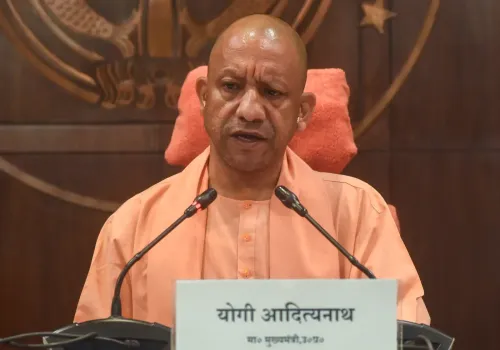
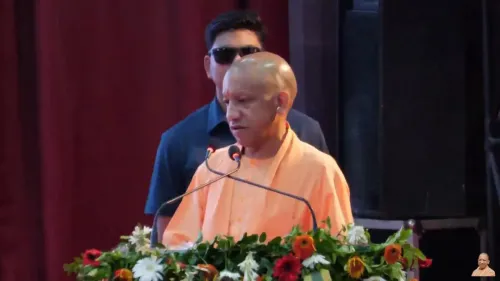
Uttar Pradesh Chief Minister Yogi Adityanath on Thursday, 15 October 2026, declared that a nation's present and future are determined by how healthy, educated, and empowered its women are — while squarely blaming previous state governments for prioritising 'political cliques' over the welfare of daughters. The remarks came via a post on X on the fifth day of Sharda Navratri, as Adityanath offered prayers to Goddess Skandamata.
The Navratri Message
In his post, Adityanath invoked the presiding deity of affection and maternal love to underscore his governance philosophy. 'The presiding deity of affection, maternal love, and nourishment, Goddess Skandamata, through her worship, imparts to us this sacred message that when a woman is healthy, educated, and empowered, only then is the nation's present secure and its future radiant,' he wrote.
The statement blends cultural symbolism with policy positioning — a recurring communication style under Adityanath's administration, particularly during religious observances.
Allegations Against Previous Governments
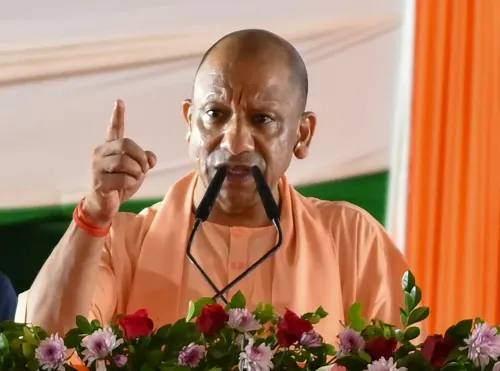
Adityanath used the occasion to sharpen his political critique, alleging that before 2017 — when the Bharatiya Janata Party (BJP) came to power in Uttar Pradesh — the state's health and education systems had been hollowed out by neglect and corruption. 'Before the year 2017, instead of providing support to daughters, the previous governments were solely engrossed in nurturing their own political cliques,' he alleged.
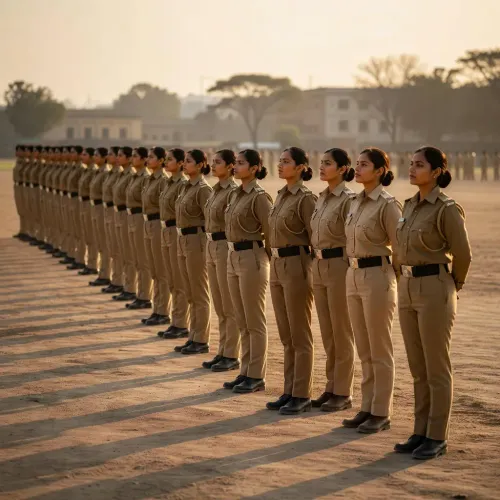
He further claimed that maternal and infant mortality rates had reached 'alarming' levels due to dilapidated hospitals, medicine shortages, and inadequate institutional delivery arrangements. 'Lakhs of daughters in the state were forced to drop out of their studies' due to lack of facilities, he added.
Key Welfare Schemes Highlighted
The Chief Minister cited several initiatives his government has pursued over the past nine-and-a-half years to counter that legacy. Under 'Operation Kayakalp', the saturation of basic facilities in primary schools has reportedly climbed from 36 per cent to over 96 per cent, according to Adityanath. He also stated that the school dropout rate has fallen from 20 per cent to under 3 per cent.
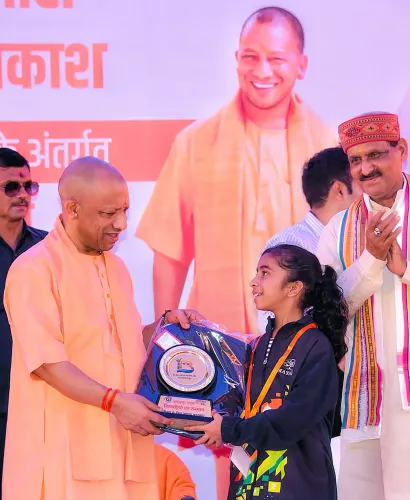
Daughters from deprived sections are now receiving residential education through 'Atal Awasiya Vidyalayas', he said, while Kasturba Gandhi Balika Vidyalayas have been expanded to cover education up to Class 12, widening access for girls who might otherwise have had to leave school early.
Why It Matters
Uttar Pradesh, India's most populous state with over 240 million residents, carries disproportionate weight in national indicators for maternal health and female literacy. Gains or losses here ripple through all-India data. Adityanath's claims — if verified — would represent a significant improvement from a low base. Critics, however, have periodically questioned the pace of ground-level implementation and independent verification of such metrics.
Notably, this is the second time within this Navratri season that the Chief Minister has used a religious platform to deliver a policy-linked message on women's welfare, signalling a deliberate communications strategy ahead of upcoming electoral cycles.
What Comes Next
Adityanath indicated that the 'double-engine government' — a term the BJP uses for aligned state and central administrations — will continue expanding the 'comprehensive cycle of security and welfare for daughters, from their birth to their education and safe motherhood.' No new policy announcements or budgetary commitments were made in the post, but observers expect further scheme-level updates as Navratri concludes.
Point of View
Particularly the dropout rate plunging from 20% to under 3%, are striking enough to demand independent scrutiny; if accurate, they would represent one of the more remarkable education turnarounds in a large Indian state. The broader pattern here is consistent: the BJP in UP has deliberately fused cultural occasions with policy communications, making it harder for critics to separate the message from the medium. What the post does not address is maternal mortality data, which independent health surveys have shown improving but still among the highest in India — a gap between the government's narrative and the full picture that opposition parties are likely to press.
NationPress
15 Oct 2026
Frequently Asked Questions
What did Yogi Adityanath say about women's empowerment on Navratri 2026?
UP CM Yogi Adityanath said on 15 October 2026 that a nation's present and future depend on how healthy, educated, and empowered its women are. He made the remarks in an X post while offering prayers to Goddess Skandamata on the fifth day of Sharda Navratri.
What allegations did Adityanath make against previous UP governments?
Adityanath alleged that governments before 2017 neglected daughters in favour of 'political cliques', leaving hospitals dilapidated, medicines scarce, and institutional deliveries poorly arranged, pushing maternal and infant mortality to alarming levels and forcing lakhs of girls to drop out of school.
What is Operation Kayakalp in Uttar Pradesh?
Operation Kayakalp is a UP government initiative aimed at improving basic infrastructure in primary schools. According to CM Adityanath, it has raised facility saturation from 36% to over 96% and helped reduce the girls' school dropout rate from 20% to under 3%.
What are Atal Awasiya Vidyalayas?
Atal Awasiya Vidyalayas are residential schools set up by the Uttar Pradesh government to provide modern, world-class education to daughters from deprived sections of society, according to CM Adityanath.
Why did Yogi Adityanath invoke Goddess Skandamata in his post?
Adityanath offered prayers to Goddess Skandamata, the presiding deity of affection and maternal love, on the fifth day of Sharda Navratri. He used her symbolism to argue that when a woman is healthy, educated, and empowered, the nation's future is secure — tying religious observance to his governance messaging.