Yadav at COP31: LeadIT 3.0 to Push Industry Decarbonisation
Synopsis
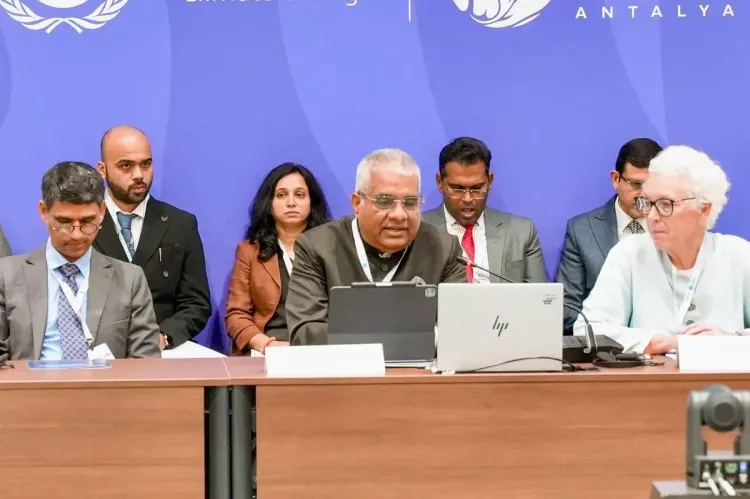
Union Environment Minister Bhupender Yadav addressed the LeadIT Industry Leaders Roundtable at COP31 in Antalya, announcing the LeadIT 3.0 framework for 2027-2030, welcoming Brazil as a new member, and highlighting India's climate record as a 'guiding light' for other nations.
Key Takeaways
LeadIT membership has grown to 20 countries and 33 companies , with Brazil joining as the newest country member.
LeadIT 3.0 (2027–2030) will shift focus from feasibility studies to pilots, demonstration projects, and replication at scale.
Priority sectors remain steel, cement, and transport , with the platform open to new sectors and technologies.
The roadmap emphasises mobilising capital and connecting technology providers with industrial demand.
Brazil's entry is framed as strengthening the Global South's voice and expanding South-South cooperation.
India's climate commitments under PM Narendra Modi were described by participants as 'a guiding light for other nations.'
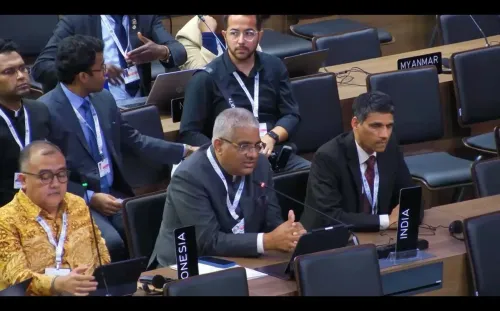
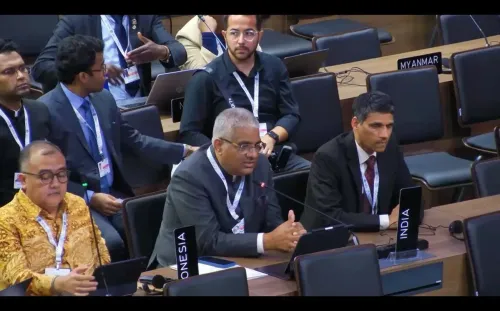
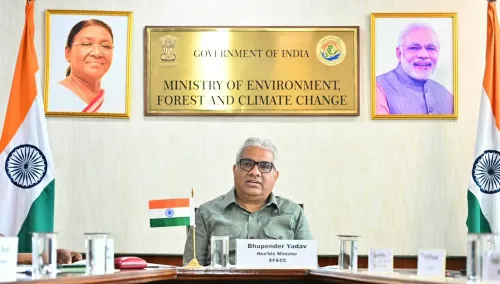
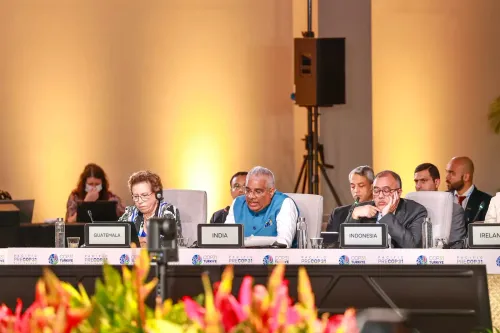
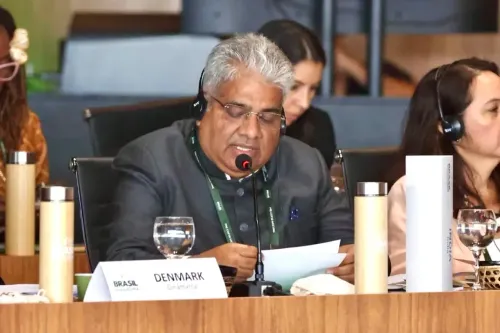
At the global climate table in Antalya, Türkiye, India's voice in industrial decarbonisation just got louder. Union Environment Minister Bhupender Yadav addressed the Leadership Group for Industry Transition (LeadIT) Industry Leaders Roundtable on the sidelines of COP31 on Tuesday, November 17, 2026, unveiling the roadmap for LeadIT 3.0 and welcoming Brazil as the platform's newest country member — a move that now takes the coalition to 20 countries and 33 companies.
Brazil joins, and the Global South speaks with one more voice
Brazil's entry into LeadIT is more than a membership number. It signals a deliberate push to give the Global South a stronger seat at the industrial transition table. Minister Yadav called the development a foundation for 'further opportunities for South-South cooperation' — the kind of framing India has consistently deployed to argue that decarbonisation cannot happen on the Global North's timeline alone, without technology and capital flowing southward.
LeadIT itself was co-launched by India and Sweden at the UN Climate Action Summit in 2019, specifically to crack the hardest problem in climate action: decarbonising industries like steel, cement, and transport that cannot simply switch to a solar panel and call it done.
LeadIT 3.0: from studies to steel on the ground
The minister laid out what LeadIT 3.0 (2027–2030) will actually look like. The platform will pivot decisively — in Yadav's words — from 'feasibility studies to pilots, demonstration and replication.' In plain terms: less paperwork, more smokestacks going green. The focus will be on 'mobilising capital, establishing partnerships, and delivering results,' with a standing invitation for new sectors and technologies to join the core trio of steel, cement, and transport.
That pivot matters enormously. Industrial decarbonisation has long been stuck in the study phase — reports commissioned, conclusions filed, action deferred. The explicit commitment to connect 'technology providers with industrial demand' suggests LeadIT is trying to become a matchmaker as much as a policy forum.
India's climate record draws a standing ovation in Antalya
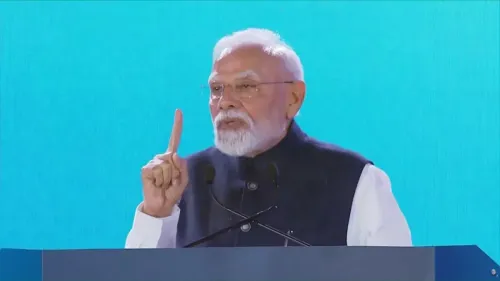
Minister Yadav noted — with evident satisfaction — that India's achievements under Prime Minister Narendra Modi drew applause at the session, with the country's commitment described by participants as 'a guiding light for other nations in the fight against climate change.' While such diplomatic endorsements are common at multilateral forums, the framing reflects India's sustained effort to position itself not merely as a developing-country negotiator seeking flexibility, but as an active leader setting the pace on clean industry.
India's industrial decarbonisation credentials — renewable energy buildout, green hydrogen missions, and production-linked incentives for clean steel — have given New Delhi a credible platform to speak from at forums like COP31.
What the LeadIT 3.0 roadmap means for industry and investors
The sectors in focus — steel, cement, and transport — collectively account for a massive share of global industrial emissions and are notoriously capital-intensive to transform. By signalling that LeadIT 3.0 will prioritise capital mobilisation and replicable pilot projects, the platform is essentially telling financiers and industrial groups: the era of studying the problem is over. The next four years will be about writing cheques and breaking ground.
Rollout details, funding mechanisms, and any new sector inclusions are expected to crystallise at future COP sessions, but the direction from Antalya is unambiguous — LeadIT is shifting gears from dialogue to delivery.
Point of View
Not just accommodation. By welcoming Brazil and anchoring the platform's next phase around delivery metrics, New Delhi is effectively positioning itself as the convening power for developing-economy industrial transition. The domestic political dividend is equally clear: credible multilateral endorsement of PM Modi's climate record provides ammunition ahead of ongoing domestic energy-transition debates. The real test for LeadIT 3.0, however, will be whether the pilot-to-replication pipeline produces bankable projects, or whether the 2027-2030 cycle repeats the study-heavy pattern of earlier phases.
NationPress
17 Nov 2026
Frequently Asked Questions
What is LeadIT and who founded it?
LeadIT, the Leadership Group for Industry Transition, is a multi-stakeholder platform focused on decarbonising hard-to-abate industrial sectors like steel, cement, and transport. It was co-launched by India and Sweden at the UN Climate Action Summit in 2019 .
Why did Brazil join LeadIT?
Brazil joined LeadIT as its newest country member, bringing total membership to 20 countries and 33 companies . Union Environment Minister Bhupender Yadav said the accession strengthens the Global South's voice and creates new opportunities for South-South cooperation on industrial decarbonisation.
What happened at COP31 in Antalya regarding India's climate record?
At the LeadIT Industry Leaders Roundtable at COP31 in Antalya, Türkiye , India's climate achievements under Prime Minister Narendra Modi received applause, and India's commitment was described by participants as 'a guiding light for other nations in the fight against climate change.'
What sectors does LeadIT focus on?
LeadIT's core sectors are steel, cement, and transport — industries classified as hard-to-abate because they cannot easily reduce emissions through simple electrification. The platform remains open to including new sectors and technologies in future phases.