Bhupender Yadav urges tourists: keep eco-tourism sites plastic-free

Synopsis
Union Environment Minister Bhupender Yadav on 25 May 2026 urged Indians to practise responsible eco-tourism by not littering plastic at nature and tourist sites, reinforcing the government's push to align tourism growth with environmental protection and existing plastic-waste rules.
Key Takeaways
Union Environment Minister Bhupender Yadav posted a public appeal on 25 May 2026 urging tourists not to litter plastic at nature and eco-tourism sites.
The message calls for eco-tourism to 'grow with responsibility' and for visitors to let nature remain unspoiled.
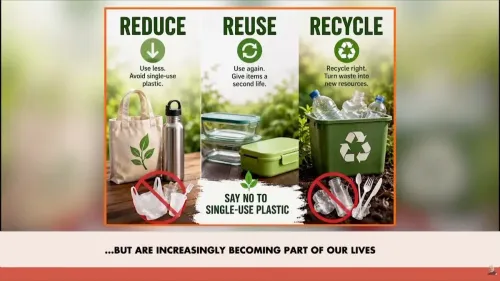
The appeal aligns with the Plastic Waste Management Amendment Rules (2022) , which ban identified single-use plastic items across India.
Local communities and wildlife around eco-tourism zones are among the most directly affected by plastic littering.
The post signals Union ministry expectations that state governments enforce plastic bans and responsible-tourism norms at national parks and heritage sites.
Enforcement of plastic bans during the upcoming summer tourist season at major protected areas will be a key indicator of follow-through.
Union Environment Minister Bhupender Yadav on Monday, 25 May 2026 called for responsible eco-tourism, urging visitors to refrain from littering plastic waste at nature and tourism sites across India. The appeal, posted on his official X account, underscores the ministry's sustained push to align tourism growth with environmental stewardship.
In his post, the minister wrote: 'Eco-tourism responsibility ke saath badhna chahiye. Is nature ko nature hi bana rehne den, ghoomne jayen toh plastic ko paryatan sthalon par na phenken.' ('Eco-tourism must grow with responsibility. Let nature remain nature — when you travel, do not throw plastic at tourist destinations.')
Context
The message arrives as India enters the summer tourist season, when footfall at national parks, hill stations, and wildlife sanctuaries surges. Plastic litter at ecologically sensitive sites has long been a documented pressure point, degrading habitats and waterways that local communities and wildlife depend on. Yadav's appeal directly links the behaviour of individual tourists to the broader health of these ecosystems.
Policy Backdrop
The post is consistent with the Ministry of Environment, Forest and Climate Change's legislative trajectory. In 2022, the central government notified a ban on identified single-use plastic items under the Plastic Waste Management Amendment Rules, targeting littering and pollution at the source. Successive Indian governments have also promoted sustainable tourism frameworks that tie visitor access to biodiversity protection and waste-reduction commitments. Yadav's ministry sits at the intersection of both mandates — regulating forests and wildlife while setting national standards for plastic waste.
The minister has previously used social media to amplify environment-awareness messaging, positioning citizen behaviour change as a complement to regulatory action. Monday's post continues that pattern, placing moral responsibility on tourists alongside the legal obligations already in force.
Stakeholders and Impact
The appeal is directed primarily at domestic tourists, whose numbers have grown sharply at protected areas and heritage sites in recent years. Local communities living around eco-tourism zones bear a disproportionate burden when waste management fails — contaminated water sources, degraded landscapes, and reduced biodiversity all erode livelihoods tied to nature-based tourism. Conservation groups and state forest departments, which manage day-to-day enforcement at these sites, are the other key stakeholders watching whether the minister's public messaging translates into stricter on-ground action.
The call also signals to state governments that the Union ministry expects eco-tourism policies to incorporate responsible-behaviour mandates, not merely revenue targets.
What's Next
Attention will turn to whether state-level eco-tourism guidelines are updated ahead of the peak tourist season, and how rigorously the existing plastic ban is enforced at major national parks, wildlife sanctuaries, and heritage sites. Civil society organisations working on waste management at tourist destinations are likely to cite the minister's statement in advocacy efforts. The broader test remains whether citizen awareness campaigns, backed by regulatory teeth, can meaningfully reduce plastic pollution in India's most ecologically fragile tourism corridors.
Point of View
High-visibility move that reinforces the ministry's regulatory stance on plastic waste without requiring new legislation. By framing tourist behaviour as a civic and moral duty, the minister attempts to build a culture of compliance around rules already on the books — an acknowledgement that enforcement alone cannot cover every trail and riverbank. The post also serves a political function: it positions the BJP-led government as the steward of India's natural heritage ahead of a busy tourist season, a message that resonates with the party's 'Ek Ped Maa Ke Naam' and broader green-nationalism branding. The real measure of impact, however, will be whether state governments translate the minister's social-media nudge into tangible enforcement action at ecologically sensitive sites.
NationPress
13 Sept 2026
Frequently Asked Questions
What did Environment Minister Bhupender Yadav say about eco-tourism?
Bhupender Yadav urged tourists not to litter plastic at nature and eco-tourism sites, saying eco-tourism must grow with responsibility and that visitors should let nature remain unspoiled.
Is there a law against throwing plastic at tourist sites in India?
Yes. The central government notified the Plastic Waste Management Amendment Rules in 2022, which ban identified single-use plastic items and are applicable across India, including at tourist and eco-tourism sites.
Why is plastic littering at eco-tourism sites a problem in India?
Plastic waste at ecologically sensitive sites degrades habitats, contaminates waterways, and harms the livelihoods of local communities dependent on nature-based tourism, while also threatening biodiversity in protected areas.
What is India's policy on eco-tourism and environment protection?
India promotes sustainable eco-tourism frameworks that link visitor access to biodiversity protection and waste reduction, with the Ministry of Environment, Forest and Climate Change setting national standards and state governments responsible for on-ground enforcement.
What should tourists do to protect eco-tourism sites in India?
Tourists should avoid carrying or discarding single-use plastic at nature and heritage sites, follow local waste-management guidelines, and adhere to the central government's ban on identified single-use plastic items.