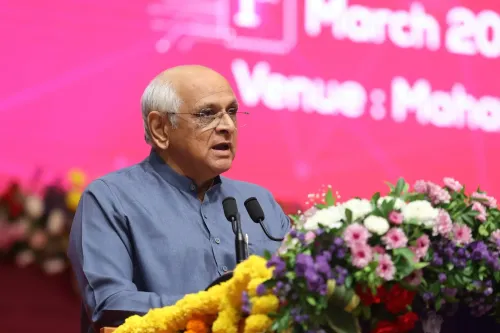
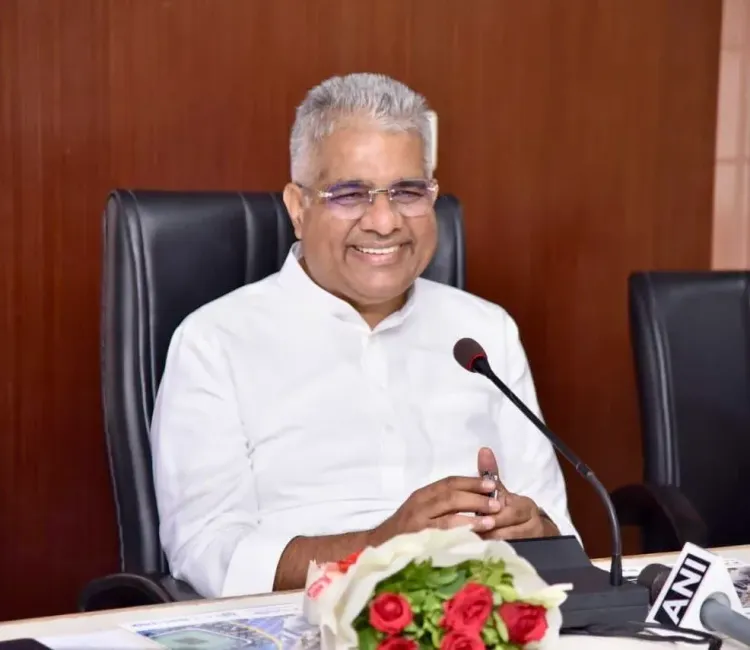
Bhupender Yadav meets Gandhinagar electronics entrepreneurs at GIDC
Synopsis
Union Environment Minister Bhupender Yadav met electronics entrepreneurs at GIDC in Gandhinagar on 19 June 2026, discussing Make in India, Atmanirbhar Bharat, and the Viksit Bharat vision. Industry members pledged commitment to India's global manufacturing ambitions.
Key Takeaways
Bhupender Yadav met entrepreneurs of the Gandhinagar Electronics Zone Industries Association at GIDC on 19 June 2026 .
Discussions focused on advancing Make in India and making India a global hub for manufacturing and innovation.
All entrepreneurs present expressed commitment to the Viksit Bharat goal of a developed India by 2047 .
Industry members pledged active participation in building an Atmanirbhar Bharat (self-reliant India).
GIDC has developed electronics clusters in Gandhinagar as part of Gujarat's industrial infrastructure since 2014 .
The meeting is part of a broader pattern of central ministers engaging state-level industry bodies to align on manufacturing incentives and investment climate.
Union Environment Minister Bhupender Yadav on Friday, 19 June 2026, held a dialogue with entrepreneurs of the Gandhinagar Electronics Zone Industries Association at the Gujarat Industrial Development Corporation (GIDC), discussing ways to advance Make in India and position India as a global hub for manufacturing and innovation.
Context
Posting on X, Yadav said the interaction centred on 'Make in India ko aage badhane tatha Bharat ko vaishvik vinirman aur navachar ka kendra banane' — advancing Make in India and making India a global centre for manufacturing and innovation. He noted that all entrepreneurs present expressed commitment to realising the Viksit Bharat vision and pledged active participation in building an Atmanirbhar Bharat.
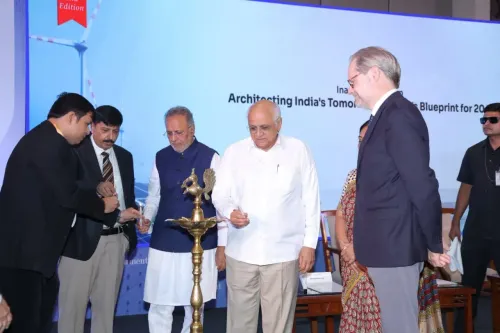
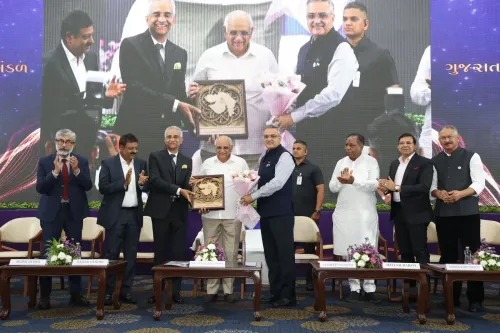
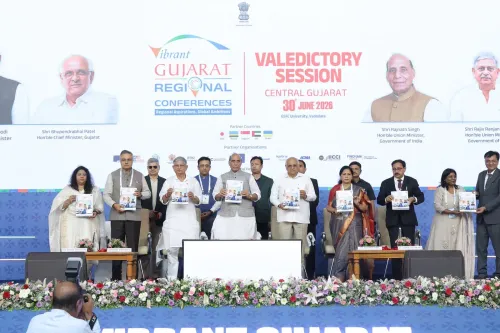
The meeting, accompanied by four photographs shared by the minister, brought together industry stakeholders from the Gandhinagar electronics cluster — one of Gujarat's key industrial corridors developed under the GIDC framework.
Policy Backdrop
Make in India, launched in September 2014, was designed to raise manufacturing's share in GDP and attract foreign direct investment into domestic production. It has since been complemented by the Atmanirbhar Bharat Abhiyan, announced in May 2020, which bundled production-linked incentive (PLI) schemes — including those targeting electronics and IT hardware — to strengthen domestic supply chains and reduce import dependence.
GIDC, a Gujarat state body, has progressively developed industrial estates and electronics clusters across the state since 2014, with Gandhinagar emerging as a focal point for the electronics sector. These clusters are intended to serve as the physical backbone linking central incentive schemes with state-level industrial infrastructure.
The Viksit Bharat goal — a developed India by 2047 — has become a recurring anchor in government outreach to industry associations and state bodies, framing near-term policy action within a long-horizon national aspiration.
Stakeholders and Impact
The entrepreneurs at the Gandhinagar Electronics Zone represent a segment of India's growing electronics manufacturing base, which has gained strategic importance as global supply chains seek alternatives to single-country dependence. Their engagement with a senior central minister signals continued federal-level attention to Gujarat's industrial ecosystem.
Industry associations in electronics clusters like Gandhinagar typically use such interactions to flag concerns around PLI disbursements, infrastructure gaps, and ease-of-doing-business issues — feedback that can feed into policy refinements at both the central and state levels.
What's Next
Follow-up from such ministerial engagements often includes state-central coordination meetings, updates on PLI disbursements, or announcements related to new electronics cluster development. Parliamentary sessions may also surface related questions on manufacturing incentives and industrial policy.
As India seeks to deepen its electronics manufacturing footprint, interactions between central ministers and state-level industry bodies are likely to intensify, particularly as the government works to translate the Viksit Bharat 2047 roadmap into sector-specific milestones.
Point of View
Which carries symbolic weight as a model state for industrial policy. The choice of GIDC as the venue underscores the government's effort to link federal scheme design with state infrastructure delivery. Notably, an Environment Minister leading an electronics-industry dialogue suggests the BJP is deploying its senior leadership broadly across economic messaging ahead of potential policy milestones. The consistent invocation of 'Viksit Bharat 2047' at such meetings signals that the government is actively building a constituency of industry stakeholders around that long-term vision.
NationPress
18 Sept 2026
Frequently Asked Questions
Why did Bhupender Yadav meet electronics entrepreneurs in Gandhinagar?
Yadav met entrepreneurs of the Gandhinagar Electronics Zone Industries Association at GIDC on 19 June 2026 to discuss advancing Make in India and positioning India as a global manufacturing and innovation hub.
What is GIDC and what role does it play in Gujarat's electronics sector?
GIDC, or Gujarat Industrial Development Corporation, is a state body that creates industrial infrastructure and estates across Gujarat. It has developed electronics clusters including in Gandhinagar to support the growth of the sector.
What is the Viksit Bharat vision mentioned in Yadav's post?
Viksit Bharat refers to the government's goal of transforming India into a fully developed nation by 2047, the centenary of independence. It is frequently used as an overarching framework in policy outreach to industry and state governments.
How does Make in India relate to the electronics sector in Gujarat?
Make in India, launched in September 2014, aims to raise manufacturing's share in GDP and attract investment. Gujarat's electronics clusters, developed through GIDC, serve as physical infrastructure to support this initiative alongside central schemes like PLI for electronics.
What is Atmanirbhar Bharat and how does it connect to electronics manufacturing?
Atmanirbhar Bharat, announced in May 2020, is a self-reliance mission that includes production-linked incentive schemes for electronics and IT hardware, aimed at strengthening domestic supply chains and reducing import dependence.