Yadav meets Nandurbar tribals, spotlights GoI-UNDP-GEF restoration project
Synopsis
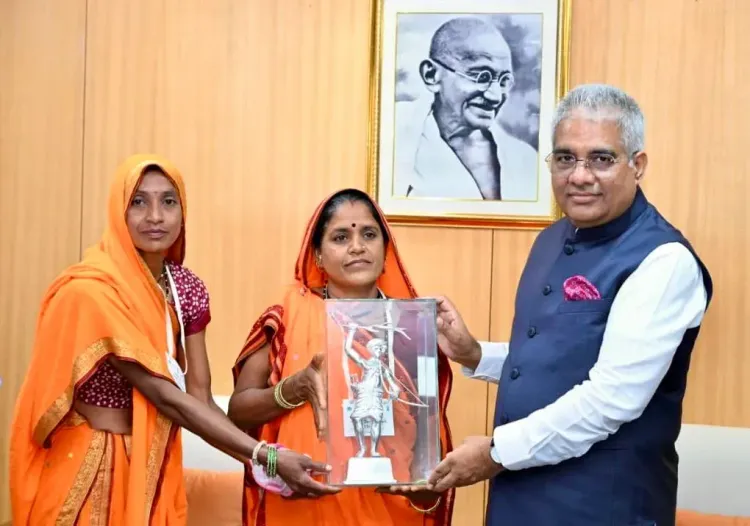
Union Environment Minister Bhupender Yadav met tribal members from Nandurbar, Maharashtra, on 17 June 2026, championing the GoI-UNDP-GEF Landscape Restoration Project and praising President's Award winner Savitabai Pawra, whose native seed bank is conserving indigenous biodiversity and supporting community-led ecological recovery.
Key Takeaways
Bhupender Yadav met tribal community members from Nandurbar, Maharashtra on 17 June 2026 to discuss the GoI–UNDP–GEF Landscape Restoration Project .
Savitabai Pawra , a President's Award winner from Nandurbar, runs a community-managed native seed bank conserving indigenous biodiversity.
India has pledged to restore 26 million hectares of degraded land under the Bonn Challenge , scaled up from 13 million hectares in 2015.
The Forest Rights Act, 2006 legally mandates tribal gram sabha participation in conservation and restoration planning.
The GoI–UNDP–GEF project channels Global Environment Facility funding to support community-driven landscape recovery and sustainable livelihoods.
Mid-term evaluation of the project and potential replication of the Pawra seed-bank model in other Schedule V districts are key developments to watch.
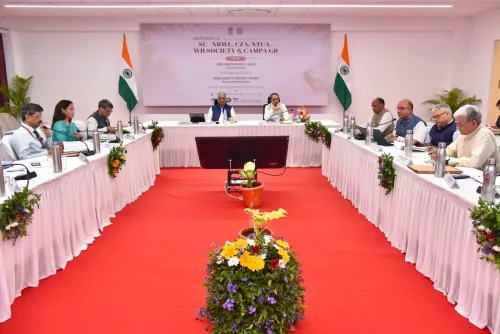
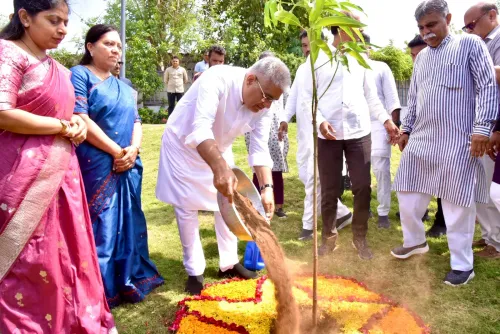
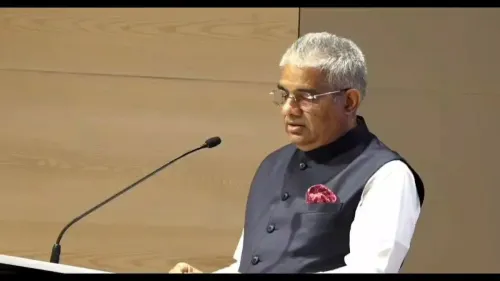
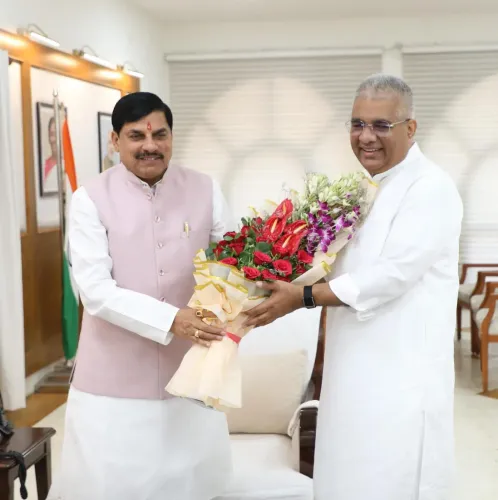
Union Environment Minister Bhupender Yadav on Wednesday, 17 June 2026 met tribal community members from Nandurbar, Maharashtra, underscoring the importance of their active participation in the GoI–UNDP–GEF Landscape Restoration Project — a joint initiative linking international climate finance with community-driven ecological recovery.
Context
During the interaction, Yadav highlighted the contribution of Smt Savitabai Pawra, a President's Award winner from Nandurbar, whose community-managed native seed bank is actively conserving indigenous crop varieties and bolstering local biodiversity. He described her work as an inspiration for scaling community-led restoration across the region.
Posting on X, the Minister wrote: 'Inspired by Smt Savitabai Pawra, President's Award winner, whose native seed bank is helping conserve indigenous biodiversity and strengthen community-led ecological restoration. Together, we are building resilient landscapes and sustainable livelihoods.'
Policy Backdrop
Nandurbar is a tribal-majority district in northern Maharashtra, home to Bhil, Pawra and other Scheduled Tribe communities with substantial forest and degraded-land areas. The GoI–UNDP–GEF Landscape Restoration Project channels Global Environment Facility (GEF) funding through UNDP to support community-driven restoration of degraded landscapes, biodiversity conservation, and sustainable livelihoods.
India's engagement with landscape restoration has deep policy roots. The country joined the Bonn Challenge in 2015 with a pledge to restore 13 million hectares of degraded land, a commitment later scaled up to 26 million hectares at UNFCCC COP14 in 2018. Domestically, the Forest Rights Act, 2006 mandates tribal gram sabhas' participation in conservation and restoration planning — providing the legal scaffolding for projects like the one in Nandurbar.
Native seed banks, of the kind maintained by Savitabai Pawra, are recognised under the National Action Plan on Climate Change as low-cost, community-anchored complements to large-scale government afforestation drives.
Stakeholders and Impact
The primary beneficiaries are forest-dependent tribal households across Nandurbar and similar Schedule V districts in Maharashtra. Community-managed seed banks preserve indigenous genetic diversity that commercial agriculture and monoculture plantations routinely displace, making them critical buffers against climate-driven crop failure.
By spotlighting Savitabai Pawra's model, the Ministry is signalling that grassroots custodians — rather than state agencies alone — are central to India's international biodiversity and restoration commitments. This framing also reinforces the Government's narrative of convergence between tribal welfare and environmental diplomacy.
What's Next
Attention will now turn to the mid-term evaluation reports of the ongoing GoI–UNDP–GEF project, which will test whether community participation metrics translate into measurable landscape recovery on the ground. Policymakers and civil-society groups are also watching whether the Pawra seed-bank model is formally replicated in other Schedule V districts across Maharashtra and beyond.
With India's international climate credibility increasingly tied to demonstrable progress on its 26-million-hectare restoration pledge, the Minister's engagement in Nandurbar suggests the Centre is keen to showcase community-led successes ahead of upcoming multilateral reviews.
Point of View
The Ministry is weaving together tribal welfare, biodiversity diplomacy, and climate finance into a single political narrative — one that serves both domestic optics and India's standing in GEF and UNDP accountability cycles. The move also reinforces the BJP government's broader effort to position Scheduled Tribe communities as active agents, not merely beneficiaries, of environmental governance. Whether this translates into systemic policy change — expanded seed-bank networks, strengthened gram sabha authority, or higher GEF disbursements — will determine the initiative's lasting impact.
NationPress
25 Sept 2026
Frequently Asked Questions
What is the GoI-UNDP-GEF Landscape Restoration Project?
The GoI–UNDP–GEF Landscape Restoration Project is a joint initiative of the Government of India, the United Nations Development Programme, and the Global Environment Facility that funds community-driven restoration of degraded landscapes, biodiversity conservation, and sustainable livelihoods in tribal and forest-dependent areas.
Who is Savitabai Pawra and why is she significant?
Savitabai Pawra is a tribal woman from Nandurbar, Maharashtra, who received the President's Award for establishing a community-managed native seed bank that conserves indigenous crop varieties and supports local ecological restoration — a model now being highlighted by the Union Environment Ministry.
What is India's Bonn Challenge commitment?
India pledged to restore 13 million hectares of degraded land under the Bonn Challenge in 2015, a target it later increased to 26 million hectares at UNFCCC COP14 in 2018, making it one of the largest national restoration commitments globally.
Why is Nandurbar important for tribal environment policy?
Nandurbar is a tribal-majority district in northern Maharashtra home to Bhil, Pawra and other Scheduled Tribe communities, with significant forest and degraded land areas that make it a key site for community-led restoration projects supported by both national legislation and international climate finance.
How does the Forest Rights Act relate to landscape restoration?
The Forest Rights Act, 2006 legally recognises tribal communities' rights over forest resources and mandates the participation of tribal gram sabhas in conservation and restoration planning, providing the legal foundation for community-driven projects like the GoI–UNDP–GEF initiative in Nandurbar.