Yamuna toxic foam returns near Kalindi Kunj ahead of Chhath Puja 2026
Synopsis
Toxic foam has returned to the Yamuna near Kalindi Kunj — just weeks after Delhi CM Rekha Gupta led a high-profile 'Chalo Yamuna' clean-up drive across 70 city locations. With Chhath Puja approaching and the city's AQI already at 180, Delhi faces a double environmental emergency that exposes the limits of surface clean-up campaigns in the absence of industrial effluent control.
Key Takeaways
Toxic foam was spotted on the Yamuna River near Okhla Barrage and Kalindi Kunj on 24 October 2026 .
The specific cause has not been independently established; such foam is frequently linked to detergents and untreated industrial wastewater.
Chhath Puja is approaching, when large numbers of devotees traditionally bathe at Yamuna ghats.
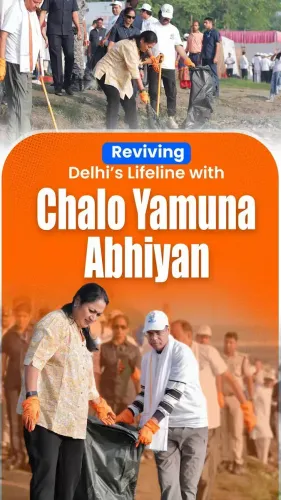
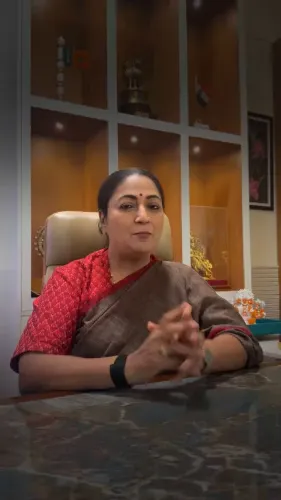
Delhi CM Rekha Gupta led the 'Chalo Yamuna' clean-up drive across 70 locations earlier this month.
Delhi's AQI stood at 180 ('poor') for the third consecutive day on Saturday.
The CAQM invoked GRAP Stage I across Delhi-NCR earlier this week.
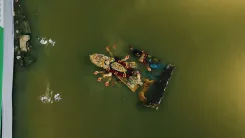
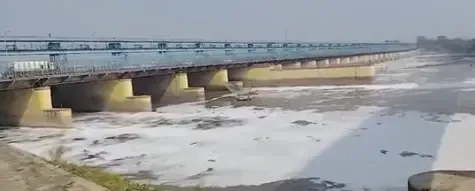
Toxic foam was spotted floating on the Yamuna River near Okhla Barrage in New Delhi on Saturday, 24 October 2026, with visuals showing a thick layer of froth spreading across the river stretch towards Kalindi Kunj. The development has raised fresh alarm ahead of Chhath Puja, when large numbers of devotees traditionally gather at Yamuna ghats to offer prayers.
What the Visuals Showed
Footage from Kalindi Kunj captured foam blanketing the river's surface, underscoring the depth of the pollution challenge in the national capital. The specific cause of Saturday's foam has not been independently established, though such occurrences are frequently associated with detergents and untreated industrial wastewater discharged into the river.
A River Under Pressure During Festival Season
The reappearance of foam is particularly troubling given the proximity of Chhath Puja, a festival during which millions of devotees wade into the Yamuna for ritual bathing. Authorities have repeatedly faced criticism for failing to ensure clean water at the ghats in time for the festival. This is not an isolated incident — toxic foam has appeared near Kalindi Kunj and Okhla Barrage during virtually every major festive season in recent memory, pointing to a structural rather than seasonal problem.
The 'Chalo Yamuna' Campaign and Its Limits
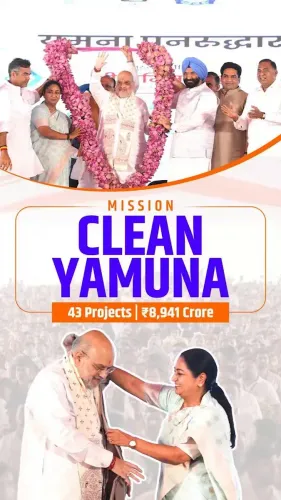
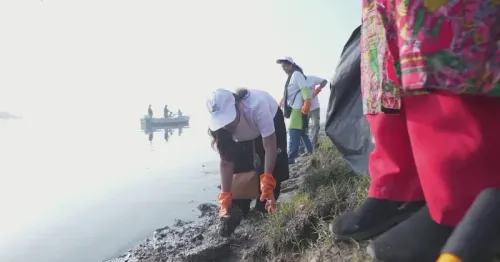
Earlier this month, Delhi Chief Minister Rekha Gupta led a large-scale river-revival drive under the 'Chalo Yamuna' campaign, conducted across 70 locations in the city. The initiative brought together thousands of young volunteers, Resident Welfare Associations (RWAs), non-governmental organisations (NGOs), and public representatives for clean-up activities along the ghats. Appealing to residents to become 'Yamuna Praharis', Chief Minister Gupta said, 'Cleanliness is not just a campaign but a way of life and ensuring that no waste reaches the Yamuna is our collective responsibility.' The return of foam within weeks of the campaign underlines the gap between surface clean-up drives and the systemic remediation — particularly the treatment of industrial effluents and sewage — that experts say is the only durable solution.
Delhi Air Quality Also in 'Poor' Zone
Delhi's environmental crisis extended beyond the river on Saturday. The city's Air Quality Index (AQI) stood at 180 — in the 'poor' category — for the third consecutive day, according to available data. Pollution levels rose following Dussehra celebrations, with smoke from festivities and unfavourable meteorological conditions compounding the problem across the Delhi-NCR region. The Commission for Air Quality Management (CAQM) earlier this week invoked Stage I of the Graded Response Action Plan (GRAP) across Delhi-NCR after the AQI slipped into the poor bracket.
What to Watch
With Chhath Puja fast approaching, pressure will mount on the Delhi government and the Delhi Pollution Control Committee (DPCC) to improve Yamuna water quality at key ghat sites. Environmental groups and opposition leaders are likely to intensify scrutiny of whether the 'Chalo Yamuna' campaign translated into any measurable reduction in pollutant load — or whether foam-covered waters greet devotees once again this year.
Point of View
But whether any administration has the political will to enforce effluent discharge norms on the industries responsible. Campaign optics and AQI alerts in the same week point to a city managing environmental crises for headlines rather than outcomes.
NationPress
24 Oct 2026
Frequently Asked Questions
Why does toxic foam appear on the Yamuna near Kalindi Kunj?
Toxic foam on the Yamuna is frequently associated with detergents and untreated industrial wastewater discharged into the river. High phosphate concentrations from effluents reduce surface tension and cause persistent froth, especially where the river slows near barrages. The specific cause of the foam seen on 24 October 2026 has not been independently confirmed.
When is Chhath Puja 2026 and why does Yamuna pollution matter for it?
Chhath Puja typically falls in late October or early November, making the current foam outbreak especially concerning. Millions of devotees gather at Yamuna ghats to offer prayers and ritually bathe, putting them in direct contact with the river water.
What is the 'Chalo Yamuna' campaign led by Delhi CM Rekha Gupta?
'Chalo Yamuna' is a cleanliness and river-revival initiative led by Delhi Chief Minister Rekha Gupta, conducted across 70 ghat locations in Delhi. The drive mobilised volunteers, RWAs, NGOs, and public representatives for clean-up activities, with Gupta urging citizens to become 'Yamuna Praharis' — guardians of the river.
What is Delhi's current air quality and what is GRAP Stage I?
Delhi's Air Quality Index stood at 180 — in the 'poor' category — for the third consecutive day on 24 October 2026. The Commission for Air Quality Management (CAQM) invoked Stage I of the Graded Response Action Plan (GRAP), which restricts certain polluting activities across Delhi-NCR to prevent further deterioration.
What should authorities do to prevent Yamuna foam during Chhath Puja?
Experts and environmental groups have consistently called for stricter enforcement of industrial effluent discharge norms and expansion of sewage treatment plant capacity as the only durable solutions. Short-term ghat clean-ups, while visible, do not reduce the pollutant load entering the river from upstream sources.