CM Yogi Draws a Hard Line on Insults to National Symbols
Synopsis
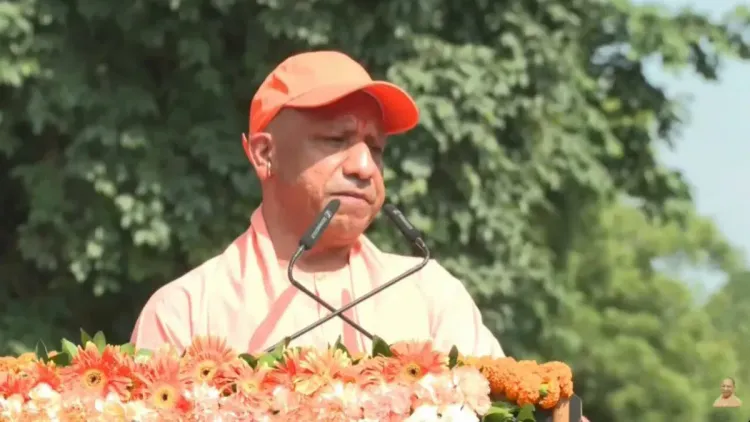
On Quit India Movement Day, UP CM Yogi Adityanath issued a firm warning that insulting India's national symbols, anthem, national song, and historical figures while residing in India will no longer be acceptable — signalling possible enforcement action in Uttar Pradesh.
Key Takeaways
UP CM Yogi Adityanath posted the statement on Sunday, August 9, 2026 — the anniversary of the Quit India Movement .
He declared that living in India while insulting its symbols, great figures, national anthem ( Jana Gana Mana ), and national song ( Vande Mataram ) 'cannot go on any longer'.
India's Prevention of Insults to National Honour Act, 1971 , already criminalises deliberate disrespect to the national flag and anthem.
The Supreme Court in 2016 mandated playing of the national anthem in cinema halls, underlining the legal weight attached to national symbols.
The post fits a broader BJP pattern of public messaging against perceived anti-national conduct, particularly around protests and public events.
The trailing ellipsis in CM Yogi's post hints at further action — possible enforcement drives or legislative proposals in Uttar Pradesh .
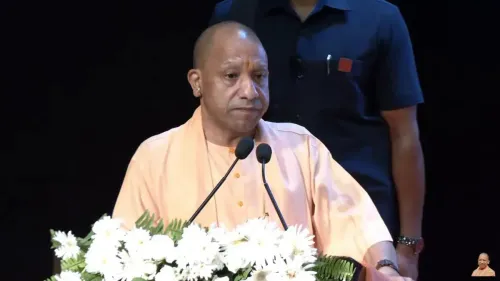
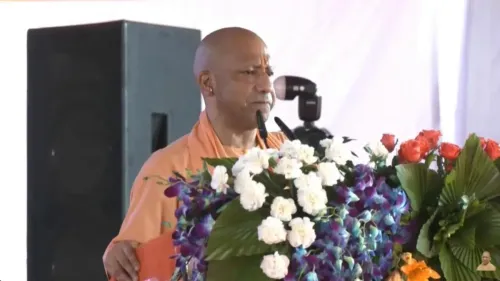
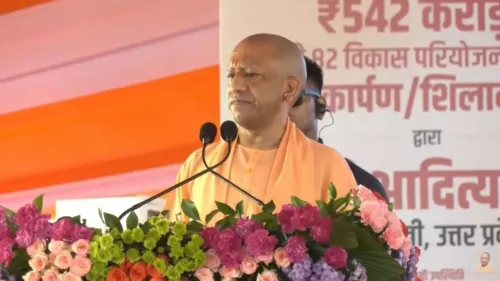
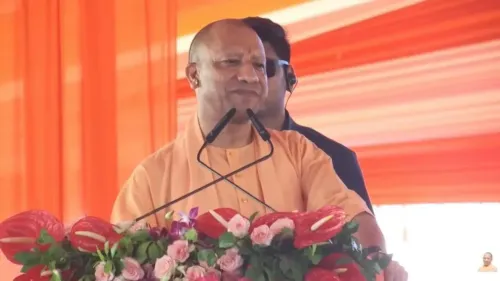
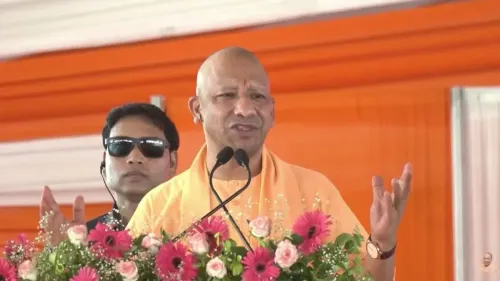
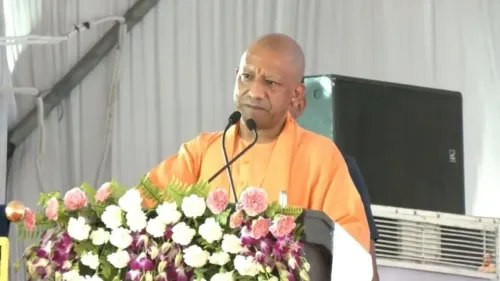
Living in India while insulting its symbols, its great figures, its national anthem, and its national song — Uttar Pradesh Chief Minister Yogi Adityanath declared on Sunday, August 9, 2026, that this will no longer be tolerated. The statement, sharp and unambiguous, landed on a day freighted with historical resonance: the anniversary of the Quit India Movement of 1942.
Posting on X, CM Yogi wrote: 'रहेंगे भारत में, लेकिन भारत के प्रतीकों, महापुरुषों, राष्ट्रगान और राष्ट्रगीत को अपमानित करें, यह अब नहीं चल सकता...' — 'You may live in India, but to insult India's symbols, its great figures, its national anthem and national song — this cannot go on any longer.'
The Line CM Yogi Is Drawing
The statement targets a specific category of conduct: residing within India while actively disrespecting its foundational national markers — the Rashtriya Gaan (national anthem, Jana Gana Mana), the Rashtriya Geet (national song, Vande Mataram), national symbols, and revered historical figures. The phrasing is deliberate. It does not question anyone's right to reside in India. It draws the line at what CM Yogi frames as the incompatibility of residency with contempt for the nation's identity.
India's legal framework already provides teeth here. The Prevention of Insults to National Honour Act, 1971, criminalises deliberate disrespect to the national flag and national anthem, with penalties including imprisonment. The Flag Code of India further regulates use of the tricolour. A Supreme Court order in 2016 had mandated playing of the national anthem in cinema halls — a ruling that itself triggered a national debate on the boundaries of patriotic obligation.
BJP's Recurring Nationalist Refrain — and Why August 9 Amplifies It
This is not an isolated outburst. BJP-led governments at both the state and central levels have consistently returned to the theme of protecting national symbols, particularly when incidents of perceived disrespect surface during protests, public events, or political rallies. The messaging follows a recognisable arc: affirm the right to dissent, but reject what the party frames as contempt for the nation's core identity.
The timing on August 9 — Quit India Movement Day — gives the post added weight. It was on this date in 1942 that Mahatma Gandhi launched the most decisive mass movement against British colonial rule, under the rallying cry of 'Do or Die'. Invoking national pride and sacrifice on this anniversary is a well-worn but potent political register.
What to watch now: whether this statement from CM Yogi precedes any concrete enforcement drive in Uttar Pradesh — stepped-up action under existing laws, or a fresh legislative push to sharpen penalties for disrespect to national symbols at the state level. The ellipsis at the end of his post suggests the conversation is not finished.
Point of View
National song, historical figures) suggests it is pegged to a real or imminent flashpoint, not routine rhetoric. The ellipsis is the tell: this reads less like a standalone post and more like the opening of a policy or enforcement conversation. For the opposition, the challenge is the same it always is with this framing — contesting it risks being painted as defenders of the conduct being condemned. Watch whether Lucknow follows the statement with legal or administrative action, which would mark an escalation from messaging to governance.
NationPress
23 Sept 2026
Frequently Asked Questions
What did CM Yogi Adityanath say about national symbols on August 9 2026?
CM Yogi Adityanath stated that living in India while insulting its national symbols, historical figures, national anthem, and national song will no longer be tolerated, posting the warning on X on August 9, 2026 .
Is insulting the national anthem illegal in India?
Yes. The Prevention of Insults to National Honour Act, 1971 , makes deliberate disrespect to the national flag and national anthem a criminal offence punishable with imprisonment of up to three years, a fine, or both.
What is the difference between India's national anthem and national song?
India's national anthem is Jana Gana Mana , composed by Rabindranath Tagore and adopted in 1950 . The national song is Vande Mataram , composed by Bankim Chandra Chatterjee , which holds equal honour but is not played at official state functions in the same mandatory manner.
Why did CM Yogi post this on August 9?
August 9 is the anniversary of the Quit India Movement of 1942 , launched by Mahatma Gandhi against British colonial rule. Posting on this date amplifies themes of national pride and sacrifice.
What action could Uttar Pradesh take against those who insult national symbols?
Authorities can invoke the Prevention of Insults to National Honour Act, 1971 , and the Flag Code of India under existing law. CM Yogi's statement may also signal fresh enforcement drives or new legislative proposals at the state level in Uttar Pradesh .