Adani Green Energy commissions 3.37 GWh BESS, world's largest outside China
Synopsis
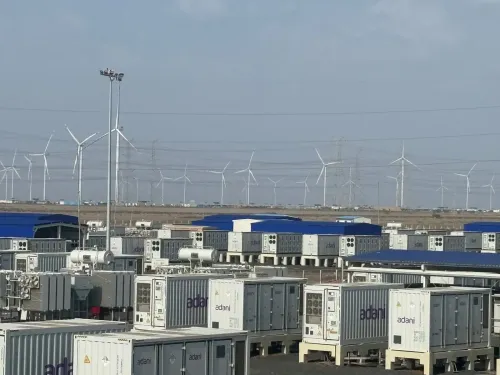
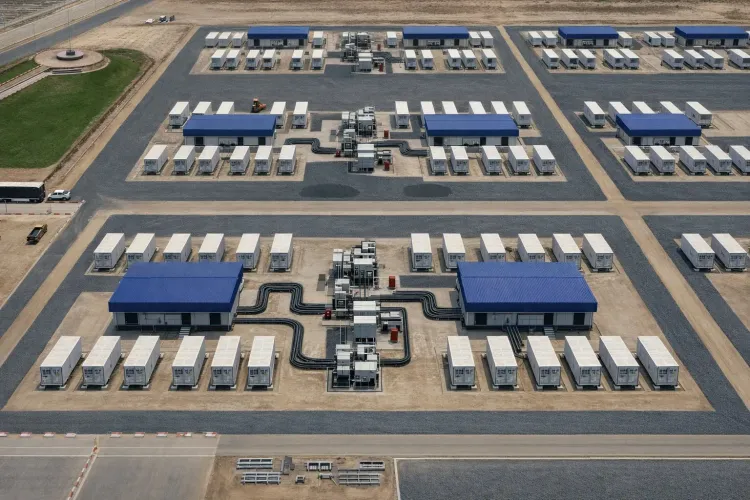
India now hosts the world's largest single-location battery storage system outside China — a 3.37 GWh BESS built by Adani Green Energy at Khavda, Gujarat, in just 10 months. With plans to scale to 50 GWh over five years, this is less a corporate milestone and more a structural bet on whether India can make intermittent renewables deliver firm, round-the-clock power at national scale.
Key Takeaways
Adani Green Energy Ltd (AGEL) commissioned a 3.37 GWh BESS at Khavda, Gujarat — the world's largest single-location battery storage deployment outside China.
The project was completed in 10 months of on-site construction, ranking among the fastest utility-scale battery deployments globally.
The system can power nearly one million homes for a full day, or meet peak demand equivalent to the entire state of Goa .
AGEL plans to add over 10 GWh of storage in FY27 and scale to 50 GWh within five years.
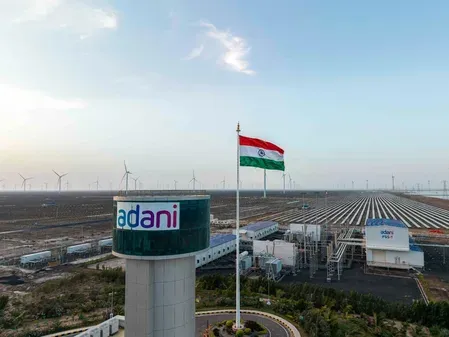
Khavda is also AGEL's site for a 30 GW renewable energy plant, of which 9.9 GW is already operational.
Adani Green Energy Ltd (AGEL) on Tuesday, 27 May 2025, announced the commissioning of a 3.37 gigawatt-hour (GWh) Battery Energy Storage System (BESS) at Khavda, Gujarat — the world's largest single-location battery storage deployment outside China and one of the fastest utility-scale projects executed globally. The milestone positions India at the forefront of grid-scale clean energy storage.
Scale of the Deployment
The 3.37 GWh total capacity includes the 1.37 GWh tranche commissioned in March 2026, which has now been combined with the latest addition to reach the full operational figure. The project was completed within 10 months of on-site construction commencing — a pace that the company describes as among the fastest for a utility-scale battery project anywhere in the world.
To contextualise the scale: the system can store sufficient clean energy to power nearly one million homes for an entire day, or meet peak electricity demand comparable to cities such as Indore, Chandigarh, or the entire state of Goa. It can also run more than 12 million LED bulbs continuously for 10 hours.
What the Company Said
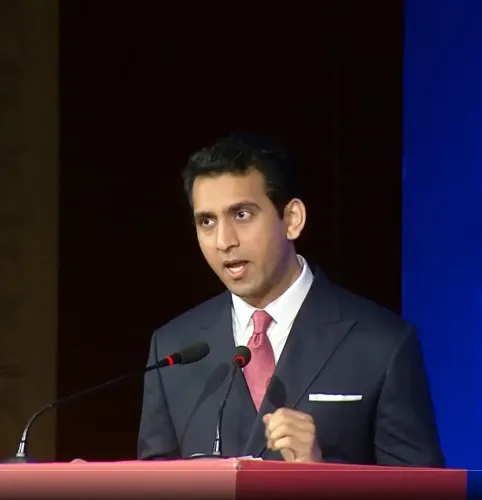
Sagar Adani, Executive Director of AGEL, said large-scale energy storage would play 'a defining role in the next phase of India's clean energy transition.' He added that as renewable energy capacity scales rapidly, 'storage infrastructure becomes critical for delivering reliable, round-the-clock clean power.'
In a follow-up statement, Sagar Adani noted that AGEL's investments in battery storage reflect 'a long-term commitment to building future-ready clean energy infrastructure at global scale.'
Strategic Location and Technology
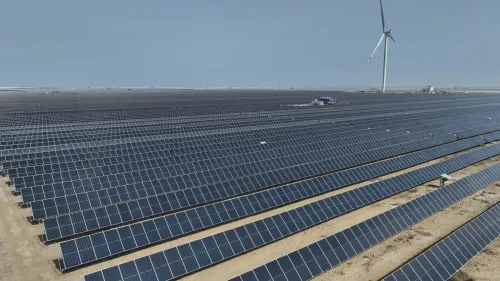
The BESS has been strategically situated at Khavda, which is also home to what AGEL describes as the world's largest renewable energy plant. The company is developing 30 GW of renewable capacity at this site by 2029, of which 9.9 GW is already operational. The battery system integrates advanced energy management platforms with lithium-ion battery technologies to optimise grid responsiveness, efficiency, and reliability.
Expansion Roadmap
AGEL has outlined an aggressive storage pipeline: the company plans to add over 10 GWh of battery storage capacity in FY27 alone, and intends to scale total BESS capacity to 50 GWh over the next five years. This comes amid India's broader push to integrate higher shares of intermittent solar and wind power into the national grid — a challenge that dispatchable storage directly addresses.
Why It Matters for India's Grid
Renewable-heavy grids are inherently susceptible to supply variability, and battery storage is widely regarded as the critical enabler of firm, round-the-clock green power. India has set a target of 500 GW of non-fossil fuel capacity by 2030, and grid stability at that scale will require substantial storage infrastructure. The Khavda BESS represents a significant step toward that goal, and analysts note that projects of this size help establish domestic benchmarks for procurement, deployment speed, and cost trajectories.
Point of View
But its strategic significance goes beyond a record. India's 500 GW renewable target by 2030 is structurally undeliverable without firm storage — and until now, that infrastructure has lagged capacity additions by a wide margin. AGEL's 50 GWh pipeline over five years is ambitious; the more revealing number will be the cost per megawatt-hour, which will determine whether this model can be replicated beyond a single well-capitalised conglomerate. If grid-scale storage remains the preserve of one or two players, India's clean energy transition carries concentration risk that regulators have yet to seriously address.
NationPress
11 Oct 2026
Frequently Asked Questions
What is the 3.37 GWh BESS commissioned by Adani Green Energy?
It is a Battery Energy Storage System with a total capacity of 3.37 GWh, located at Khavda in Gujarat's Kutch district. Commissioned in May 2025, it is the world's largest single-location battery storage deployment outside China and was built in approximately 10 months.
Where is the Adani Green Energy battery storage project located?
The BESS is located at Khavda, Gujarat, the same site where AGEL is developing a 30 GW renewable energy plant — described as the world's largest. Of that capacity, 9.9 GW is already operational.
How much energy can the 3.37 GWh BESS store?
The system can store enough clean energy to power nearly one million homes for an entire day. It can also meet peak electricity demand comparable to cities like Indore or Chandigarh, or the entire state of Goa, and can run more than 12 million LED bulbs for 10 hours continuously.
What are Adani Green Energy's future battery storage plans?
AGEL plans to add over 10 GWh of battery storage in FY27 and expand its total BESS capacity to 50 GWh over the next five years, as part of a broader strategy to deliver round-the-clock renewable power at scale.
Why does large-scale battery storage matter for India's energy grid?
India is targeting 500 GW of non-fossil fuel capacity by 2030, but solar and wind power are intermittent by nature. Grid-scale battery storage enables dispatchable, round-the-clock clean power, stabilising renewable-heavy grids and reducing dependence on fossil-fuel peaking plants.