Ashwagandha safe for 24 weeks: large trial finds no liver or kidney injury
Synopsis
A 1,200-person randomised controlled trial — one of the largest for any Ayurvedic herb — has cleared standardised Ashwagandha of liver and kidney toxicity over 24 weeks of daily use, with zero serious adverse events and no interference with COVISHIELD vaccine immunity. The findings, backed by the Ministry of Ayush, could reshape regulatory debates about the herb in global markets.
Key Takeaways
A 1,200-person randomised, double-blind, placebo-controlled trial found Ashwagandha root extract safe over 24 weeks of daily use.
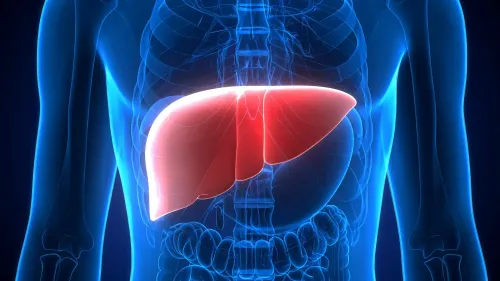
Liver and kidney function markers — including liver enzymes, bilirubin, creatinine, and blood urea — remained within normal ranges throughout.
Zero serious adverse events were attributed to Ashwagandha, and zero participants withdrew due to an adverse event.
Virus-neutralising activity exceeded 85 per cent in both groups, confirming Ashwagandha did not impair COVISHIELD vaccine-induced immunity.
The study was conducted by 45 researchers from 9 institutions across 7 sites in India and published in Frontiers in Medicine on 20 August .
The Ministry of Ayush cited the findings as reinforcing the evidence base for standardised Ayurveda interventions globally.
A large multicentre clinical trial published in Frontiers in Medicine has found that daily intake of a standardised Ashwagandha root extract for 24 weeks was well tolerated in healthy adults, with no evidence of treatment-related liver or kidney injury. The Ministry of Ayush highlighted the findings on Monday, 28 September 2026, describing them as a significant addition to the scientific evidence base for Ayurvedic interventions.
Study Design and Scale
The research was a multicentre, randomised, double-blind, placebo-controlled trial involving 1,200 apparently healthy adults aged 18 to 70 years, all of whom had received a first, second, or booster dose of the COVISHIELD vaccine. A multidisciplinary team of 45 researchers from 9 institutions conducted the study across 7 sites in India. Nearly 86 per cent of enrolled participants completed the full trial.
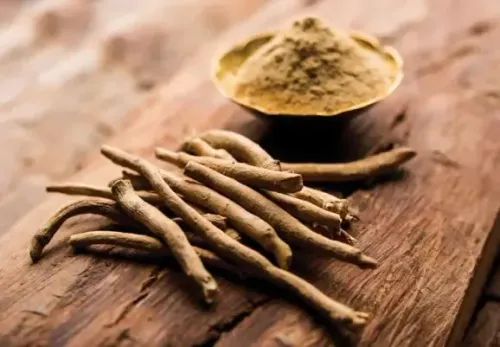
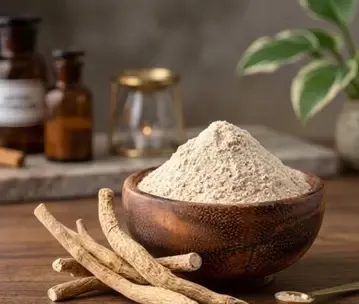
Participants were randomly assigned to receive either 500 mg of a standardised aqueous Ashwagandha root extract daily — equivalent to 4 grams of raw root powder — or a matching placebo. They received the intervention for 24 weeks and were followed through week 28.
Key Safety Findings
Liver and kidney function parameters remained within reported reference ranges throughout the study period. Assessments covering liver enzymes, bilirubin, creatinine, and blood urea showed no evidence of treatment-related hepatic or renal injury. Notably, zero serious adverse events were considered attributable to the study intervention, and zero participants withdrew from the trial because of an adverse event — outcomes that researchers described as reflecting a favourable safety and tolerability profile.
Effect on Vaccine-Induced Immunity
The trial also assessed whether prolonged Ashwagandha intake interfered with immunity generated by COVISHIELD vaccination. Virus-neutralising activity exceeded 85 per cent in both the Ashwagandha and placebo groups, with no statistically significant difference between the two. Dr. Arvind Chopra, Ayush Distinguished Scientist Chair and Director and Chief Rheumatologist at the Centre for Rheumatic Diseases, Pune, and lead author of the study, said the findings prove Ashwagandha did not interfere with vaccine-induced immunity.
Government and Expert Response
Vaidya Rajesh Kotecha, Secretary of the Ministry of Ayush, said the findings strengthen the scientific evidence supporting the safety and appropriate use of standardised Ayurveda interventions. 'High-quality clinical research strengthens the scientific evidence-base of Ayurveda and contributes to a deeper understanding of its potential within contemporary healthcare,' he said. He added that the growing body of evidence from rigorous clinical studies is supporting the responsible global utilisation of Ayurveda across health and wellness settings.
Broader Significance
This study, published on 20 August, is among the largest and most rigorously designed safety trials conducted on an Ayurvedic herb to date. It involved experts from ayurveda, clinical medicine, rheumatology, and complementary and integrative health disciplines. The results are likely to carry weight in ongoing global discussions about the safety of traditional plant-based supplements, particularly as Ashwagandha has faced regulatory scrutiny in several European markets over hepatotoxicity concerns in recent years. All-clear findings from a placebo-controlled, multi-site Indian trial could shape how regulators and clinicians evaluate the herb going forward.
Point of View
Iceland, and other European markets over liver toxicity concerns — concerns largely derived from case reports rather than controlled evidence. A 1,200-person double-blind trial with zero serious adverse events is exactly the quality of data that has been missing from that debate. The government's swift highlighting of the findings is clearly aimed at the global regulatory audience, not just domestic practitioners. What the study does not resolve is long-term safety beyond six months, or outcomes in people with pre-existing liver conditions — gaps that responsible reporting must note even as the 24-week data looks reassuring.
NationPress
29 Sept 2026
Frequently Asked Questions
What did the Ashwagandha clinical trial published in Frontiers in Medicine find?
The trial found that 500 mg of standardised Ashwagandha root extract taken daily for 24 weeks was safe and well tolerated in 1,200 healthy adults, with no evidence of liver or kidney injury. Zero serious adverse events were attributed to the herb, and no participants dropped out due to side effects.
How large was the Ashwagandha safety study and who conducted it?
The study enrolled 1,200 apparently healthy adults aged 18 to 70 years across 7 sites in India. It was conducted by 45 researchers from 9 institutions, spanning ayurveda, clinical medicine, rheumatology, and integrative health disciplines, with Dr. Arvind Chopra of the Centre for Rheumatic Diseases, Pune, as lead author.
Does Ashwagandha affect COVISHIELD vaccine immunity?
According to the trial, Ashwagandha did not interfere with immunity generated by COVISHIELD vaccination. Virus-neutralising activity exceeded 85 per cent in both the Ashwagandha and placebo groups, with no statistically significant difference between them.
Why are these findings significant for global Ashwagandha regulation?
Ashwagandha has faced regulatory scrutiny in several European countries over hepatotoxicity concerns, mostly based on isolated case reports. This large placebo-controlled trial provides higher-quality safety data that could influence how regulators and clinicians evaluate the herb in international markets.
What was the dosage used in the Ashwagandha trial?
Participants received 500 mg of standardised aqueous Ashwagandha root extract daily, which is equivalent to 4 grams of raw root powder. They took the supplement for 24 weeks and were monitored through week 28.