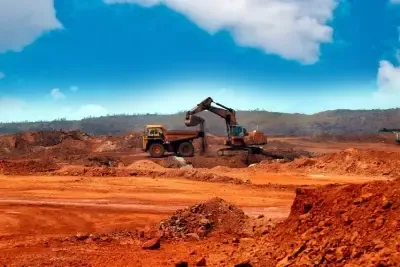
China opens 100,000-tonne rare earth rubber plant for EV tyres
Synopsis
China has started commercial production at a 100,000-tonne-per-year rare earth rubber plant — using neodymium as the catalyst — converting six decades of state-backed research into a strategic material for EV and heavy-vehicle tyres, and deepening its grip on the rare earth value chain.
Key Takeaways
Dushanzi Petrochemical , a PetroChina subsidiary based in Xinjiang , began operations at a new synthetic rubber plant on July 16, 2026 .
The facility has an annual production capacity of 100,000 tonnes of cis-butadiene rubber .
The plant uses neodymium — a rare earth metal predominantly produced by China — as its catalytic agent, replacing conventional nickel, titanium, or cobalt systems.
Technical development draws on more than 60 years of research by the Changchun Institute of Applied Chemistry , which reportedly helped pioneer rare earth catalytic rubber synthesis in the 1960s .
The rubber is designed for high-performance applications including electric vehicle tyres and heavy-duty vehicle components.
The project reflects China's broader strategy to translate raw rare earth dominance into high-value advanced materials manufacturing.
China has industrialised a rare earth-based synthetic rubber production process, with a new 100,000-tonne-per-year facility beginning operations on July 16, 2026 — a milestone that could reshape global supply chains for electric vehicle and heavy-duty vehicle tyres. The plant, built by Dushanzi Petrochemical, a Xinjiang-based subsidiary of PetroChina, marks the first large-scale industrial deployment of a catalytic process that Chinese scientists reportedly helped pioneer more than six decades ago.
What was built and who built it
The facility was constructed by Dushanzi Petrochemical with technical support from the Changchun Institute of Applied Chemistry, part of the Chinese Academy of Sciences. According to the institute, its researchers contributed to foundational work on rare earth catalytic synthesis of butadiene rubber beginning in the 1960s — research that has now been translated into a commercial-scale production line.
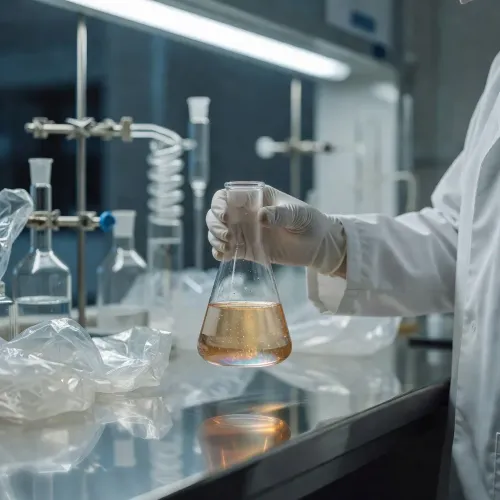
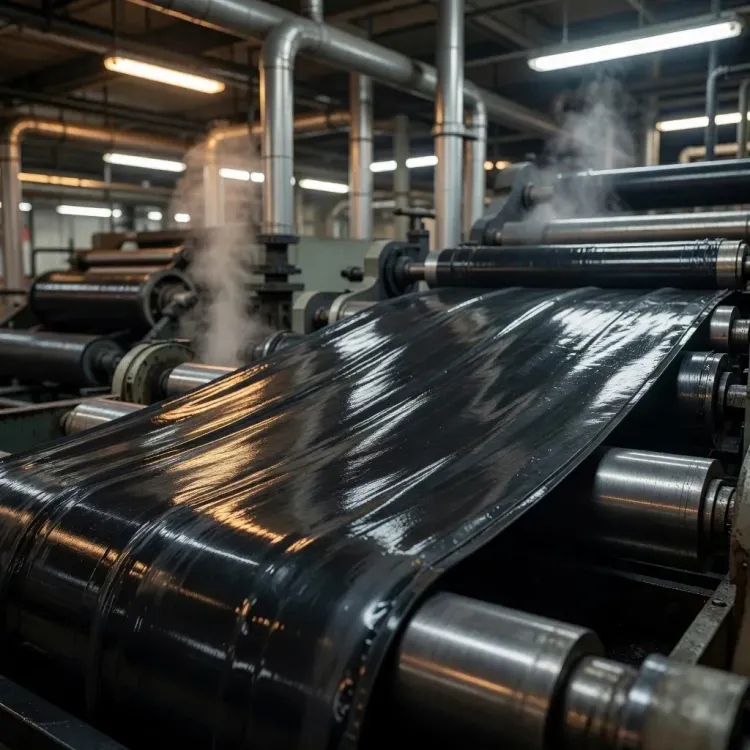
The plant produces cis-butadiene rubber, a high-grade synthetic rubber engineered for superior durability and elasticity compared with standard grades. Synthetic rubber is derived primarily from petroleum by-products such as styrene and butadiene, rather than from natural rubber trees.
Why rare earths matter here
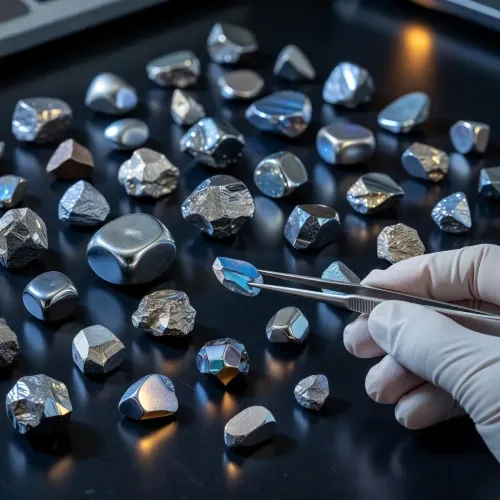
Butadiene rubber is typically manufactured using metal-based catalysts — most commonly nickel, titanium, or cobalt. The Dushanzi facility instead uses a catalytic system centred on neodymium, a rare earth metal of which China is the world's dominant producer. Neodymium-catalysed rubber reportedly yields a product with better wear resistance and mechanical performance, making it well-suited for high-stress applications in EV tyres and heavy-vehicle components.
High-quality synthetic rubber is considered a critical material across the transport, manufacturing, and national defence sectors, according to industry analysts.
Why it matters
The commissioning of a 100,000-tonne annual capacity plant signals China's intent to move up the value chain in rare earth applications — converting raw material dominance into finished advanced materials. Neodymium is already central to EV motor magnets; its expanded role in tyre-grade rubber deepens the strategic value of China's rare earth reserves.
The timing is notable: global automakers are scaling EV production rapidly, intensifying demand for performance-grade rubber compounds that can handle the higher torque loads and weight of battery-electric platforms.
Competitive backdrop
The SINOPEC Beijing Research Institute of Chemical Industry has also been active in synthetic rubber research, reflecting broad state-backed investment in advanced polymer materials across China's petrochemical sector. The Dushanzi plant's scale — among the largest of its kind for neodymium-catalysed rubber — positions PetroChina as a key supplier should the process gain wider commercial adoption.
What's next
With the facility now operational, attention will turn to whether the neodymium-catalysed process can compete on cost with established nickel- and cobalt-based systems at scale. The performance credentials of cis-butadiene rubber from this plant will also be tested against the demanding specifications of major tyre manufacturers supplying global EV programmes. How quickly international tyre makers integrate this material into their supply chains will be the clearest indicator of the technology's commercial viability.
Point of View
China extends the leverage of its mineral dominance further down the manufacturing stack — from magnets into tyres. Mainstream coverage tends to focus on rare earths in EV motors and defence electronics, missing the quieter but equally significant push into polymer and materials science. The 100,000-tonne capacity figure matters because it signals commercial intent, not just laboratory achievement — this is industrialisation, not a pilot. For global tyre makers and EV platforms already navigating supply-chain concentration risk, a Chinese-controlled feedstock for premium rubber compounds adds another node of dependency to monitor.
NationPress
26 Oct 2026
Frequently Asked Questions
What has China built at the Dushanzi Petrochemical plant?
Dushanzi Petrochemical has commissioned a 100,000-tonne-per-year facility to produce cis-butadiene rubber using a neodymium -based rare earth catalyst. The plant, located in Xinjiang , began production on July 16, 2026 , and was developed with support from the Changchun Institute of Applied Chemistry .
Why is rare earth used in rubber production?
Rare earth metals such as neodymium act as highly effective catalysts in the synthesis of butadiene rubber, reportedly producing a higher-grade material with better durability and elasticity than rubber made with conventional nickel, titanium, or cobalt catalysts. This makes neodymium-catalysed rubber particularly suited for demanding applications like EV tyres and heavy-vehicle components.
What is cis-butadiene rubber and why does it matter for EVs?
Cis-butadiene rubber is a high-grade form of synthetic rubber engineered for superior wear resistance and elasticity. It is especially relevant to electric vehicles because EV platforms impose higher torque loads and carry greater weight than conventional cars, placing more stress on tyre compounds.
Who supported the development of this rare earth rubber technology?
The Changchun Institute of Applied Chemistry , part of the Chinese Academy of Sciences , provided technical support and claims to have helped pioneer rare earth catalytic butadiene rubber synthesis in the 1960s — meaning the Dushanzi plant represents more than 60 years of cumulative research reaching industrial scale.
What does this mean for global rare earth and rubber supply chains?
The plant deepens China 's position as the dominant player across the neodymium value chain — from mining the raw material to producing finished advanced rubber compounds. International tyre manufacturers and EV automakers sourcing high-performance rubber may face increased supply concentration risk if neodymium-catalysed rubber gains wide commercial adoption.