El Nino threat to sardine catch in 2027, CMFRI warns
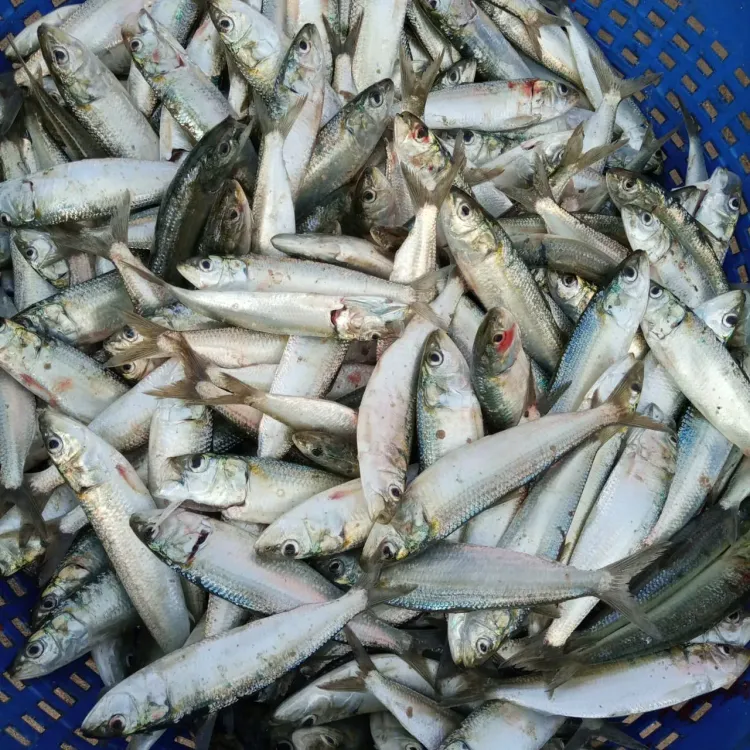
Synopsis
India's top marine research body, CMFRI, is sounding an early alarm: El Nino warming expected to peak by October-December could devastate oil sardine stocks along the Indian coast by April-May 2027. With coastal livelihoods and the fishing industry in the crosshairs, the institute is preparing to issue climate advisories — a rare proactive step in Indian fisheries management.
Key Takeaways
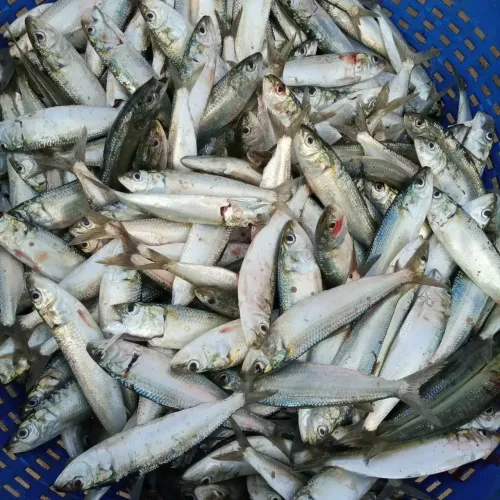
CMFRI Director Dr Grinson George warned on 10 July that El Nino could sharply reduce Indian oil sardine availability in 2027 .
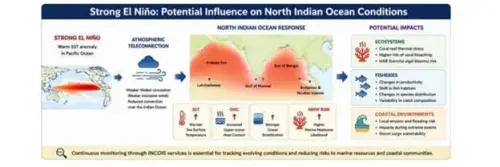
El Nino warming is projected to intensify between October and December this year, with its impact reaching the northern Indian Ocean by April-May 2027 .
Oil sardines are described as among the most vulnerable fish species to marine heat waves and ocean warming.
Sustained warming could also trigger coral bleaching and reduce reef-associated species such as red snapper .
CMFRI will begin issuing El Nino advisories to fishermen and fish farmers later this year to aid preparedness.
Rapid salinity fluctuations from post-heat rainfall could also disrupt coastal aquaculture and cause production losses.
The ICAR-Central Marine Fisheries Research Institute (CMFRI) has warned that an emerging El Nino event could significantly reduce Indian oil sardine availability by 2027, even as stocks remain abundant this year. The alert was sounded at Kochi on 10 July during the National Fish Farmers Day celebrations at the institute.
The El Nino Warning
CMFRI Director Dr Grinson George stated that warming associated with El Nino is expected to intensify between October and December this year, with its effects likely to reach the northern Indian Ocean by April-May 2027. He cautioned that small pelagic fish — particularly oil sardines — are the most vulnerable to marine heat waves and ocean warming.
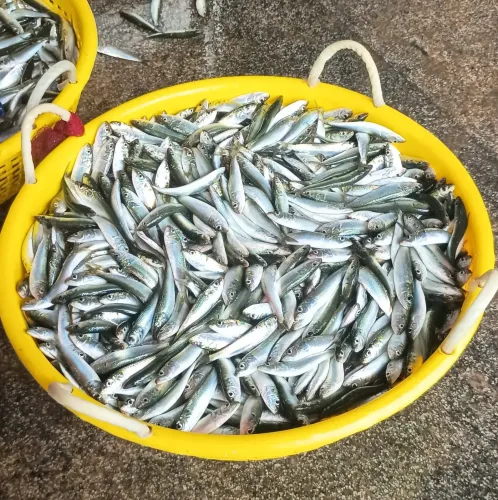
'Oil sardine stock is abundant this year, but the resource is likely to be affected in 2027 if the projected warming occurs. Small pelagic fishes, especially oil sardine, are the most vulnerable to marine heat waves and ocean warming,' Dr George said.
Broader Impact on Marine Ecosystems
The warning extends beyond sardines. According to Dr George, available scientific data points to a high probability of marine heat waves, elevated sea surface temperatures, and increased salinity along the Indian coast during April and May 2027. Sustained ocean warming could also damage fragile coral reef ecosystems, triggering coral bleaching and reducing the abundance of reef-associated species such as red snapper.
He further cautioned that heavy rainfall following prolonged periods of high temperature and salinity could cause rapid fluctuations in salinity levels, disrupting coastal aquaculture and increasing the risk of production losses for fish farmers.
Impact on Fishing Communities and Livelihoods
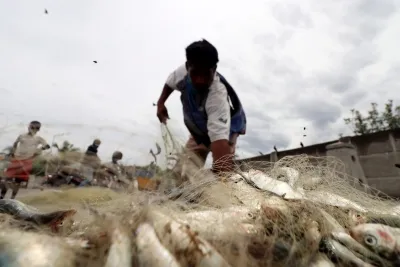
The anticipated decline in marine fish production, if it materialises, would directly affect the fishing industry and the livelihoods of coastal communities across India. Dr George stressed that continuous monitoring of ocean conditions and adaptive management strategies would be crucial to minimising climate-related damage to marine resources.
This comes amid a broader pattern of ocean warming events disrupting fisheries globally, with the Indian coast increasingly exposed to climate volatility in recent years.
CMFRI's Advisory and Preparedness Measures
CMFRI announced it will begin issuing El Nino advisories to fishermen and fish farmers later this year, enabling them to make informed decisions on fishing and aquaculture practices ahead of the projected impact window. Fish farmers were separately advised to prepare for sudden environmental shifts.
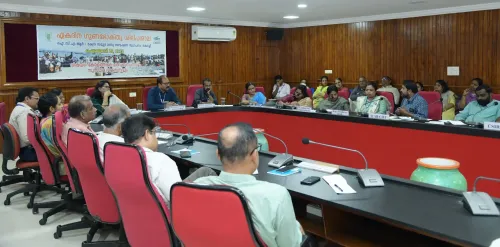
As part of the National Fish Farmers Day programme, CMFRI scientists also conducted technical sessions covering coastal aquaculture, cage fish farming, marine fish seed production, black soldier fly-based organic waste management, feed formulation, and government schemes and subsidies available to fish farmers. Whether the projected El Nino materialises at the forecast intensity will determine how severe the 2027 sardine season turns out to be.
Point of View
Which is unusually early for Indian fisheries advisories. Oil sardines are not just an ecological indicator species; they are a dietary staple and an economic lifeline for millions of coastal households. Yet India's fisheries adaptation infrastructure remains thin, and a single El Nino season can wipe out gains made over years. The institute's decision to issue formal El Nino advisories is a step in the right direction, but the real question is whether the fishing community has the tools and financial buffers to act on them. Past warming events — including the 2016 El Nino — caused measurable sardine declines that took seasons to recover from, and there is no indication that safety nets for affected fishers have improved significantly since then.
NationPress
10 Jul 2026
Frequently Asked Questions
What is CMFRI's El Nino warning about sardines?
CMFRI has warned that an emerging El Nino event could significantly reduce Indian oil sardine stocks in 2027. The institute says warming is expected to intensify between October and December 2025, with its effects reaching the northern Indian Ocean by April-May 2027.
Why are oil sardines particularly vulnerable to El Nino?
Oil sardines are classified as small pelagic fish, which are the most sensitive to marine heat waves and ocean warming, according to CMFRI Director Dr Grinson George. Rising sea surface temperatures and increased salinity can disrupt their habitat and breeding patterns.
How will El Nino affect India's fishing communities?
A decline in marine fish production could directly hit the incomes of coastal fishing communities and the broader fishing industry. Rapid salinity changes following heavy rainfall after prolonged heat could also disrupt coastal aquaculture operations.
What steps is CMFRI taking to help fishermen prepare?
CMFRI has announced it will issue El Nino advisories to fishermen and fish farmers later this year. The institute is also urging adaptive management strategies and continuous ocean monitoring to minimise the impact on marine resources.
Will El Nino affect other marine species beyond sardines?
Yes. Sustained ocean warming could trigger coral bleaching, damaging reef ecosystems and reducing the availability of reef-associated species such as red snapper, according to CMFRI's assessment.