Maharashtra CM Fadnavis unveils nuclear energy policy, bets on SMRs and ₹6.5 lakh crore investment
Synopsis
Maharashtra is not just talking about clean energy — it is placing a ₹6.5 lakh crore bet on it. CM Fadnavis's push for a dedicated nuclear policy built around Small Modular Reactors, backed by an already-signed MoU pipeline targeting 25,400 MW, marks one of the most ambitious sub-national energy commitments in India's history. The harder question is whether regulatory and governance infrastructure can match the scale of the ambition.
Key Takeaways
Maharashtra CM Devendra Fadnavis announced a dedicated nuclear energy policy on 11 November 2026 , centred on Small Modular Reactors (SMRs) generating up to 300 MW each.
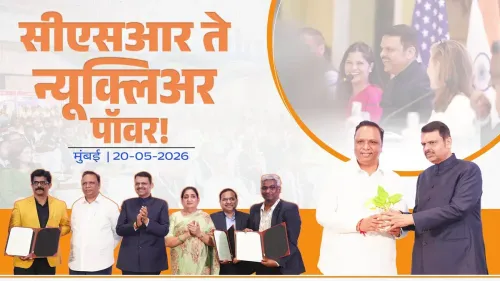
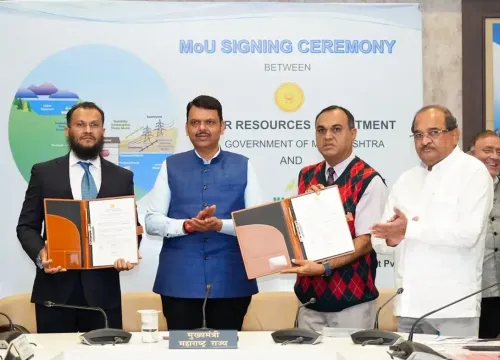
On 20 May 2026 , Maharashtra signed MoUs targeting 25,400 MW of nuclear power with a projected investment of ₹6.5 lakh crore ; state utility Mahagenco will participate directly.
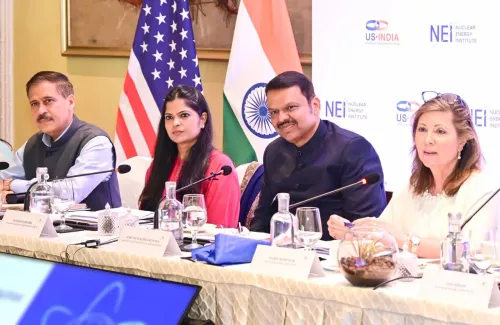
A state delegation recently visited the United States to study advanced SMR deployments ahead of policy finalisation.
Fadnavis defended the pumped hydro storage project in Karjat taluka, Raigad , citing a closed-loop water system and mandatory compensatory afforestation for developers.
Data centres in Thane and Navi Mumbai will be required to use treated wastewater or desalinated seawater, and will absorb higher power tariffs to cross-subsidise domestic and agricultural consumers.
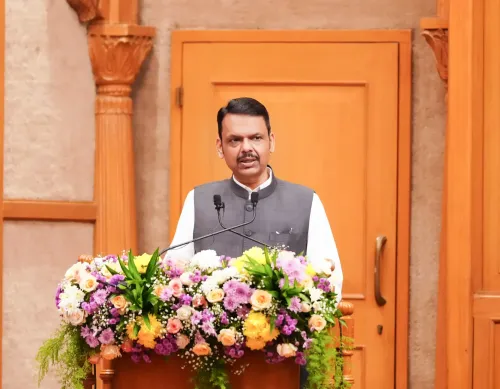
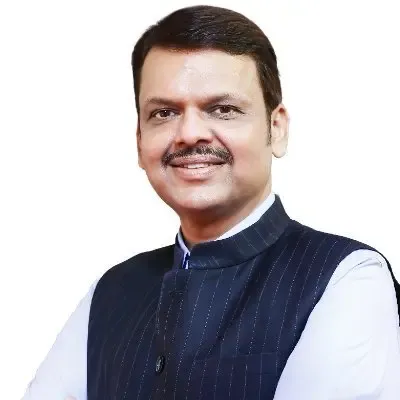
Maharashtra Chief Minister Devendra Fadnavis on 11 November 2026 announced that the state is formulating a dedicated nuclear energy policy centred on Small Modular Reactors (SMRs), signalling a major strategic pivot toward long-term energy security for India's most industrialised state. Speaking during a Diwali media interaction at his official residence, Varsha, in Mumbai, Fadnavis described nuclear energy and pumped storage hydro projects as non-negotiable pillars of Maharashtra's clean baseload power strategy.
The SMR Bet and What It Means
Fadnavis underlined the operational advantages of Small Modular Reactors — nuclear units designed to generate up to 300 MW — citing their compact footprint and reduced land requirement as key differentiators over conventional large-scale installations. 'The state will host both large-scale nuclear power projects and small modular reactors through private sector participation alongside state-owned ventures,' he stated.
He revealed that the Maharashtra government recently dispatched a delegation to the United States to study advanced SMR deployments — a move that underscores how seriously the state is treating next-generation nuclear as a viable near-term option, not a distant aspiration.
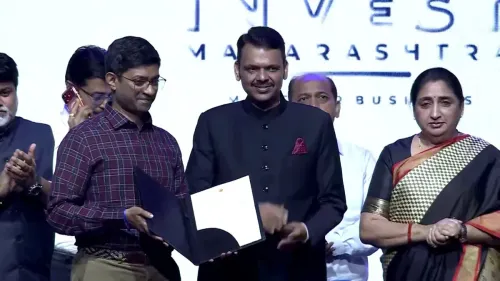
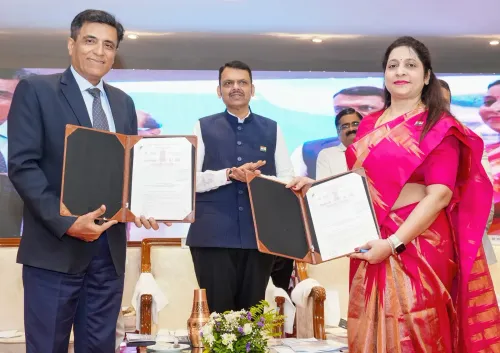
This policy groundwork follows a landmark step on 20 May 2026, when Maharashtra signed Memorandums of Understanding (MoUs) targeting the generation of 25,400 MW of nuclear power, backed by a projected investment of ₹6.5 lakh crore. State generation utility Mahagenco is set to participate directly in nuclear generation alongside private enterprise partners.
Addressing Safety Concerns: The Tarapur Argument
Anticipating public opposition to nuclear installations, Fadnavis pointed to the Tarapur Atomic Power Station in Palghar as a credibility anchor. 'Tarapur has operated smoothly and safely for over four decades without incident,' he said, framing decades of incident-free operation as evidence that nuclear energy can coexist safely with surrounding communities.
Notably, Tarapur — one of India's oldest commercial nuclear plants — has long served as the benchmark whenever proponents defend nuclear expansion in Maharashtra. Its continued operation gives Fadnavis a tangible local reference point in what is typically an abstract public safety debate.
Pumped Hydro Storage and the Karjat Controversy
Fadnavis also mounted a defence of a proposed pumped hydro storage project in Karjat taluka, Raigad district, which has drawn criticism over tree felling along the Sahyadri mountain range. He explained that pumped storage operates on a closed-loop system — using off-peak solar power to pump water from lower reservoirs to upper dams, then releasing it to generate hydroelectricity during peak demand hours, with the same water volume recycled repeatedly.
'Once these projects are operational, citizens will realise their structural benefits,' Fadnavis said, adding that mandatory compensatory afforestation programmes enforced on project developers would restore local forest ecosystems. Critics, however, argue that compensatory afforestation rarely replaces the ecological value of mature forests cleared for infrastructure.
Data Centres: Digital Infrastructure as National Priority
Weighing in on the public debate over AI data centres proposed near Thane and Solapur's Ujani Dam, Fadnavis framed digital infrastructure as essential to national data sovereignty and economic competitiveness. To address environmental concerns, the state will mandate strict water and power efficiency benchmarks.
'Data centres in the Thane and Navi Mumbai belts will be required to utilise treated wastewater or desalinated seawater rather than diverting local municipal drinking water,' the Chief Minister said. He further indicated that as high-yield commercial enterprises, data centres would absorb higher power tariffs — effectively cross-subsidising utility rates for domestic and agricultural consumers.
Dismissing critics, Fadnavis remarked: 'Opposition to data centres stems either from misconceptions or pure political posturing. These projects are essential to modern national infrastructure, and we will ensure they operate efficiently without burdening public resources.' With Maharashtra positioning itself as India's data centre hub, the policy stance is a direct attempt to attract hyperscale investment while insulating the state from accusations of environmental negligence.
What Comes Next
Maharashtra's nuclear energy policy is still being formulated, and timelines for formal adoption have not been specified. The ₹6.5 lakh crore MoU pipeline, however, signals that stakeholder commitments are already being secured ahead of a formal policy framework — a sequencing that invites scrutiny over governance and regulatory readiness. All eyes will be on whether the Centre's evolving nuclear regulatory architecture keeps pace with the state's ambitions.
Point of View
Raising questions about which commitments are genuinely binding and what regulatory framework governs them. SMRs are still largely pre-commercial globally, and India's own regulatory machinery for private nuclear participation is nascent. Citing Tarapur's four-decade safety record is reassuring optics, but Tarapur is a government-run, well-monitored plant — private SMR deployment is an entirely different risk profile. The data centre cross-subsidisation argument is clever politics, but the numbers need independent scrutiny before it can be presented as fiscal fact.
NationPress
11 Nov 2026
Frequently Asked Questions
What is Maharashtra's new nuclear energy policy about?
Maharashtra is formulating a dedicated nuclear energy policy focused on Small Modular Reactors (SMRs) — compact nuclear units generating up to 300 MW — alongside large conventional nuclear plants. The state has already signed MoUs on 20 May 2026 targeting 25,400 MW of nuclear capacity, backed by a projected ₹6.5 lakh crore investment, with state utility Mahagenco set to participate directly.
What are Small Modular Reactors and why is Maharashtra focusing on them?
Small Modular Reactors (SMRs) are nuclear power units designed to generate up to 300 MW, offering a compact footprint and lower land requirements compared to conventional nuclear plants. CM Fadnavis highlighted their operational agility and reduced infrastructure demands as key reasons Maharashtra is prioritising them, and the state recently sent a delegation to the United States to study advanced SMR deployments.
What is the controversy around the Karjat pumped hydro project?
A proposed pumped hydro storage project in Karjat taluka, Raigad district, has drawn criticism over tree felling in the Sahyadri mountain range. CM Fadnavis defended the project, explaining it uses a closed-loop system powered by off-peak solar energy and promised mandatory compensatory afforestation by project developers, though critics argue such measures rarely restore mature forest ecology.
How will Maharashtra manage the environmental impact of data centres?
Data centres in the Thane and Navi Mumbai belts will be mandated to use treated wastewater or desalinated seawater instead of municipal drinking water. They will also be subject to strict power efficiency benchmarks and required to absorb higher power tariffs, which the state says will effectively cross-subsidise electricity rates for domestic and agricultural consumers.
How does the ₹6.5 lakh crore nuclear MoU signed in May 2026 fit into this policy?
The MoUs signed on 20 May 2026 represent the foundational investment commitment underpinning Maharashtra's nuclear ambitions, targeting 25,400 MW of generation. The dedicated nuclear policy now being formulated is intended to provide the formal regulatory and operational framework for these agreements, with Mahagenco earmarked as the state's direct participant in nuclear generation alongside private partners.