CM Fadnavis: Maharashtra seals ₹8.57 Lakh Cr in 67 MoUs
Synopsis
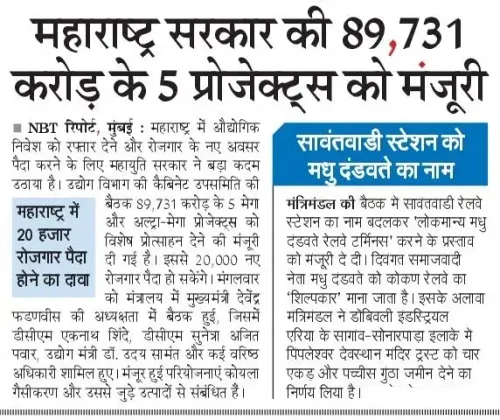
Maharashtra CM Devendra Fadnavis announced 67 MoUs worth ₹8.57 Lakh Crore, projected to create 2.91 Lakh jobs across semiconductors, data centres, energy, aerospace, defence, and metals — reinforcing the state's position as India's top investment destination.
Key Takeaways
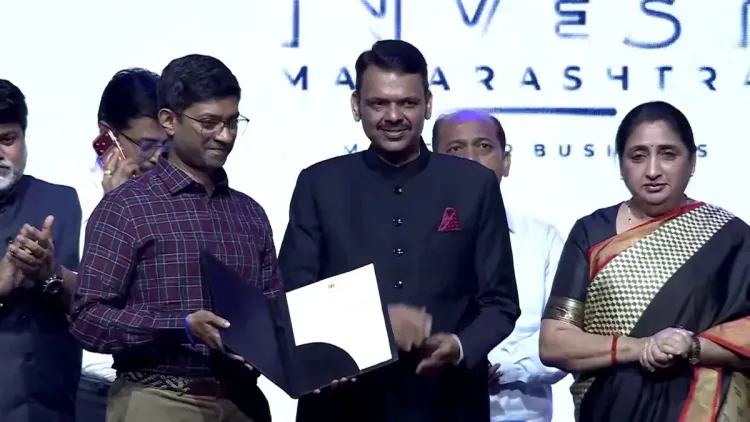
The Government of Maharashtra signed 67 MoUs totalling ₹8.57 Lakh Crore in committed investment.
The agreements carry the potential to generate 2.91 Lakh jobs across multiple sectors.
Key sectors include semiconductors, data centres, energy, aerospace, defence, metals, and mining .
CM Devendra Fadnavis cited the deals as evidence of growing investor confidence in Maharashtra.
The announcement was made on 2 October 2026 via an official post by the Chief Minister.
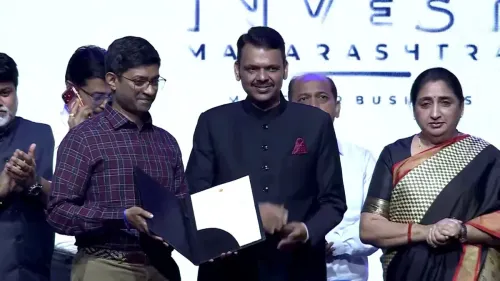
Sixty-seven investment agreements worth ₹8.57 Lakh Crore — that is the headline Maharashtra just wrote for itself. Maharashtra Chief Minister Devendra Fadnavis announced on Friday, 2 October 2026, that the state government has signed 67 MoUs carrying the potential to generate 2.91 Lakh jobs, spanning sectors as varied as semiconductors, data centres, aerospace, defence, energy, and metals and mining.
Sectors anchoring the ₹8.57 Lakh Crore commitment
The sweep of the sectors signals a deliberate pivot beyond Maharashtra's traditional manufacturing and services base. Semiconductors and data centres represent the state's bid to anchor India's digital infrastructure ambitions on Maharashtra's western coast. Aerospace and defence investments plug into a broader national push to build domestic manufacturing depth — a high-value segment that brings sophisticated supply chains and skilled employment in its wake. Energy, metals, and mining round out an industrial portfolio designed to feed both domestic consumption and export pipelines.
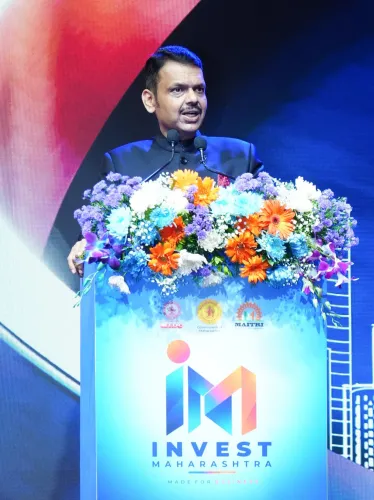
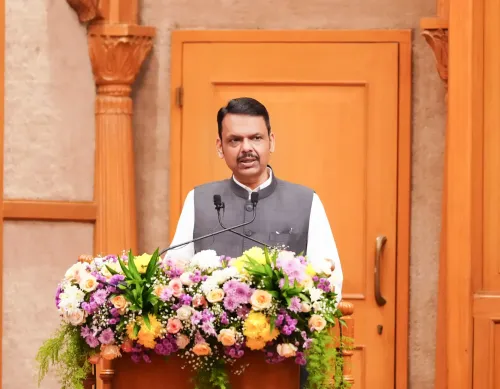
Chief Minister Fadnavis framed the signing as evidence of 'growing confidence in Maharashtra as a destination for investment, innovation and industry' — a formulation that positions the state not merely as a recipient of capital but as a competitive, globally-relevant industrial hub.
What 2.91 Lakh jobs actually means for Maharashtra's youth
The 2.91 Lakh job-creation potential attached to these MoUs is a headline number, but the sectoral mix matters as much as the total. Semiconductor fabs and data centre campuses demand a technically credentialed workforce; aerospace and defence units require precision engineering talent. That skew toward high-skill employment is significant for a state that produces a large volume of engineering and polytechnic graduates every year — it creates a potential absorption channel that pure labour-intensive manufacturing cannot replicate.
At the same time, metals, mining, and energy projects generate jobs across the skill spectrum, from site workers to plant operators to logistics personnel — spreading the benefit beyond metro catchments into Maharashtra's interior districts.
Maharashtra's investment pitch in a competitive landscape
Every major Indian state is racing for the same global and domestic capital. Mumbai remains India's financial nerve centre, and Maharashtra's existing industrial corridors — from Pune's auto-tech belt to the emerging nodes in Nagpur and Aurangabad — give the state a depth of infrastructure that newer destinations cannot quickly replicate. The scale of today's MoU haul, if it converts into ground-level investment, would reinforce that structural advantage decisively.
MoUs are intent, not iron-clad disbursements. The conversion rate from signed agreement to commissioned plant is the metric that will ultimately define whether this announcement becomes a durable chapter in Maharashtra's growth story — or a promising headline that waits for follow-through.
Point of View
Coming from a BJP-led government in Maharashtra eager to demonstrate governance dividends ahead of any future electoral cycle. The sectoral spread, particularly the emphasis on semiconductors and aerospace, aligns with the Centre's 'Make in India' and PLI scheme architecture, suggesting coordinated state-Centre positioning. The real test, as with every investment summit, is conversion: industry trackers will now watch groundbreaking timelines closely. If even a substantial fraction translates into commissioned capacity, Maharashtra cements its lead over rival industrial states — and Fadnavis claims a signature development achievement.
NationPress
2 Oct 2026
Frequently Asked Questions
How much investment did Maharashtra secure through the 67 MoUs?
Maharashtra signed 67 MoUs worth a combined ₹8.57 Lakh Crore , as announced by Chief Minister Devendra Fadnavis on 2 October 2026.
How many jobs will the Maharashtra MoUs create?
The 67 MoUs carry the potential to create 2.91 Lakh jobs , according to the announcement by CM Fadnavis.
Which sectors are covered by Maharashtra's investment MoUs?
The MoUs span semiconductors, data centres, energy, aerospace, defence, metals, and mining , reflecting a broad industrial push.
What is the difference between an MoU and actual investment?
An MoU is a statement of intent — companies agree in principle to invest, but the capital is only deployed once land, permits, and financing are finalised. The conversion rate to actual commissioned projects is the figure analysts watch.
Why is Maharashtra seen as a top investment destination in India?
Maharashtra combines India's financial capital Mumbai, established industrial corridors in Pune, Nagpur, and Aurangabad, a large skilled workforce, and strong port and logistics infrastructure — advantages that newer industrial states take years to replicate.