New fish species from China named after K-pop star Jennie
Synopsis
Chinese scientists have named a newly discovered fish species after Blackpink's Jennie, placing the global K-pop icon in the formal scientific record — a rare cultural crossover that spotlights both the reach of Korean pop culture and the expanding pace of China's marine biodiversity research.
Key Takeaways
Chinese researchers have named a newly discovered fish species after Blackpink member Jennie , confirmed in July 2026 .
The eponymous naming follows a longstanding scientific tradition of honouring culturally significant figures in taxonomy.
The discovery is linked to ongoing marine biodiversity surveys in the South China Sea region.
Scientists Li Xueke and Chen Weiqiang were among researchers active in the broader science highlights of the period.
Institutions including Nanjing University , New York University , and the University of Pennsylvania have contributed to related regional research.
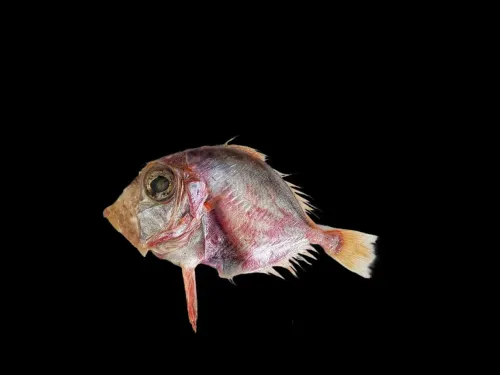
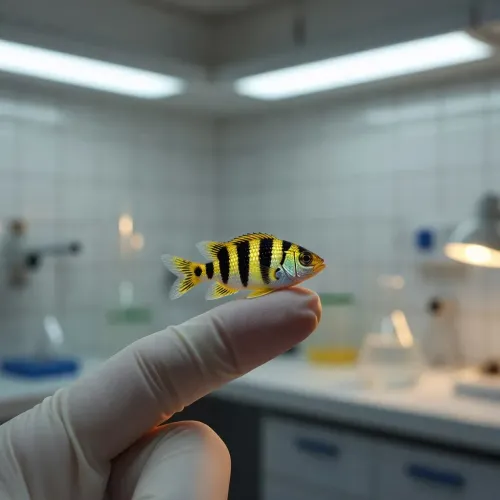
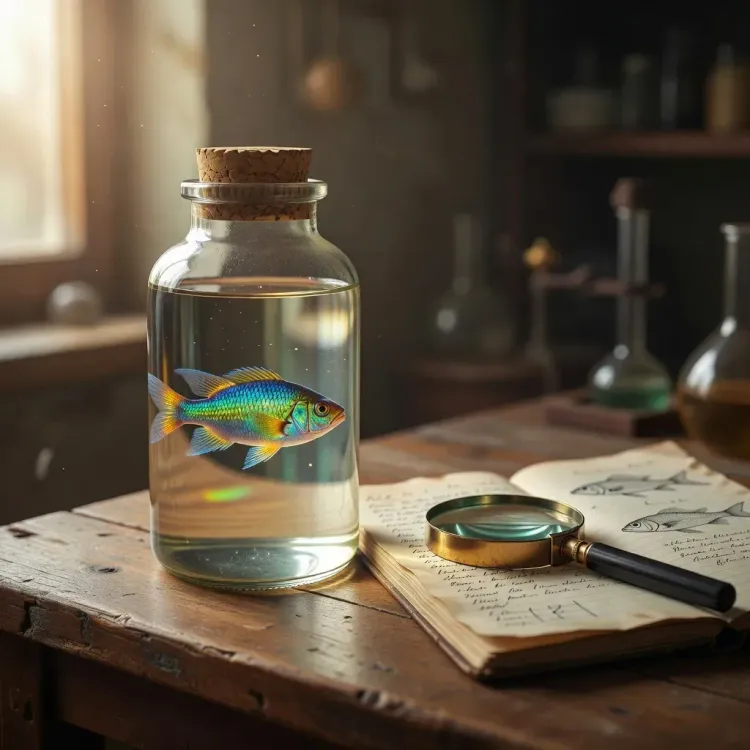
A newly discovered fish species identified by Chinese researchers has been officially named after Blackpink member Jennie, marking an unusual intersection of K-pop culture and marine taxonomy. The naming, confirmed in July 2026, adds the South Korean pop icon to the scientific record in a nod to her widespread popularity among the research community in China.
The Discovery
Scientists in China identified the previously unknown fish species and chose to honour Jennie of Blackpink through the formal taxonomic naming process. Such eponymous naming is a longstanding scientific tradition, typically reserved for individuals who have made a significant cultural or scientific impression on the researchers involved. The species was among several science stories to emerge from the region over the past two weeks.
Why It Matters
The naming reflects the deep reach of K-pop's cultural influence across Asia and into professional scientific circles. It also highlights the growing volume of marine biodiversity research being conducted by institutions in China, including work touching the South China Sea and broader Asia-Pacific waters. Researchers from institutions such as Nanjing University have been active contributors to regional taxonomic studies.
The Competitive Backdrop
Marine species discovery in the South China Sea has accelerated in recent years as Chinese research institutions expand deep-sea and coastal biodiversity surveys. International collaborations involving universities in the United States — including New York University and the University of Pennsylvania — alongside United Nations-affiliated bodies have also contributed to regional cataloguing efforts. The pace of new species identification in this corridor underscores both the ecological richness of the area and the increasing capacity of Chinese marine science.
Broader Science Highlights
The fish naming was part of a broader sweep of science developments, which also included research related to China's 6G smart city initiatives and findings spanning topics from the Arctic to applied urban technology. Scientists including Li Xueke and Chen Weiqiang were among those contributing to the wider body of research highlighted across the period.
What's Next
The formal species description is expected to be published in a peer-reviewed journal, cementing the name in the international taxonomic record. As Chinese marine research programmes continue to expand their surveying footprint across the South China Sea and beyond, further novel species discoveries — and the cultural choices behind their naming — are likely to follow.
Point of View
Partly to assert knowledge-based claims over contested waters — the volume of new species discoveries will only grow, and so will the naming choices that reveal who researchers are listening to. The story is whimsical on the surface, but the underlying current of accelerating Chinese marine science is anything but.
NationPress
1 Oct 2026
Frequently Asked Questions
Which fish was named after Jennie from Blackpink?
A newly discovered fish species identified by Chinese researchers was formally named after Blackpink member Jennie in July 2026. The species was found as part of ongoing marine biodiversity research, with its formal description expected to be published in a peer-reviewed journal.
Why do scientists name species after celebrities?
Naming a newly discovered species after a person — known as an eponym — is a longstanding tradition in taxonomy that honours individuals who have made a significant cultural or scientific impression on the researchers involved. It requires no consent from the named individual and becomes a permanent part of the international scientific record.
Where was the new fish species discovered?
The discovery is connected to marine research in the South China Sea region, where Chinese institutions have been expanding biodiversity surveys. The South China Sea is one of the world's most biodiverse marine corridors and a growing focus of Chinese scientific programmes.
How popular is Blackpink in China?
Blackpink, the South Korean girl group, has an enormous following across China and wider Asia, reflecting the broad reach of the K-pop cultural wave. The decision by Chinese scientists to name a species after member Jennie is a concrete illustration of that influence extending into professional and academic circles.
What other science stories came out of China in this period?
Alongside the fish naming, the same period saw research highlights related to China's 6G smart city initiatives and findings spanning topics from the Arctic to applied urban technology. Scientists including Li Xueke and Chen Weiqiang contributed to the wider body of research covered during the two-week window.