CMFRI discovers new deep-sea fish species Cyttopsis indica in Arabian Sea
Synopsis
Indian marine scientists have formally named a new deep-sea fish species — Cyttopsis indica, the Indian dory — from the Arabian Sea off Kerala, simultaneously correcting a long-standing error that had misclassified the fish as an Atlantic species. The find signals how much of India's deep-sea biodiversity remains undiscovered.
Key Takeaways
CMFRI scientists identified a new deep-sea fish species, Cyttopsis indica (Indian dory), from the Arabian Sea off Kerala .
Specimens were collected at depths of 350 to 500 metres from Sakthikulangara fishing harbour in Kollam .
The discovery corrects a long-standing misidentification — Indian Ocean specimens were previously classified as Cyttopsis rosea , now confirmed as an Atlantic-only species.
Identification was confirmed through DNA sequencing and conventional taxonomic analysis led by Dr R.
The findings are published in the Indian Journal of Fisheries and have implications for deep-sea conservation and fisheries management.
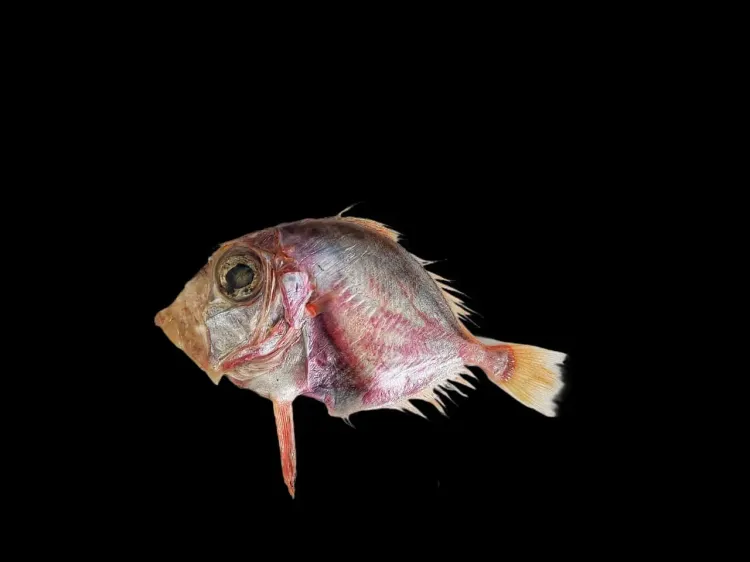
Scientists at the ICAR Central Marine Fisheries Research Institute (CMFRI) in Kochi have identified a previously unknown deep-sea fish species from the Arabian Sea off the Kerala coast, marking a significant addition to India's marine biodiversity. The newly classified species, Cyttopsis indica — commonly called the Indian dory — was found at depths ranging from 350 to 500 metres along the continental slope of the eastern Lakshadweep Sea, off southern Kerala.
How the Discovery Was Made
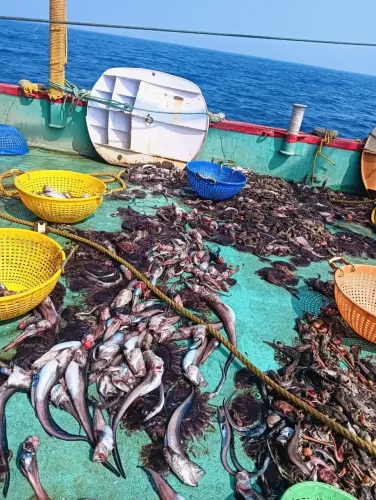
The identification was based on six specimens collected from deep-sea trawl landings at the Sakthikulangara fishing harbour in Kollam. The research team, led by CMFRI scientist Dr R. Ratheesh Kumar, confirmed the species through a combination of conventional taxonomic methods and advanced molecular analysis, including DNA sequencing. The findings have been published in the latest issue of the Indian Journal of Fisheries.
A Long-Standing Misconception Corrected
The discovery also resolves a taxonomic error that had persisted for years. Specimens of this fish found in the Indian Ocean had previously been misidentified as Cyttopsis rosea, a species now confirmed to be exclusive to the Atlantic Ocean. Genetic analysis revealed clear divergence from all known members of the genus, providing conclusive evidence that the Indian Ocean population constitutes an entirely distinct species. Cyttopsis indica belongs to the genus Cyttopsis, a primitive group of marine fishes known as dories.
What the Find Means for Marine Science
Researchers say the discovery underscores how much of India's deep-sea environment remains scientifically uncharted. The deep waters off Kerala and the Lakshadweep Sea, they note, continue to harbour species unknown to science. According to the CMFRI team, systematic exploration of these habitats could yield many more undescribed marine organisms, strengthening the country's understanding of deep-sea biodiversity.
Implications for Conservation and Fisheries
Beyond taxonomy, scientists believe the finding carries practical significance for fisheries management and marine conservation policy. As deep-sea trawling increasingly brings up specimens from these depths, accurate species identification becomes critical to assessing stock health and ecological impact. The formal classification of Cyttopsis indica as a separate species lays the groundwork for targeted conservation measures in the eastern Lakshadweep Sea. Researchers expect continued deep-sea surveys off India's southwest coast to further expand the known catalogue of the country's marine life.
Point of View
It raises questions about the reliability of existing species inventories used to set fisheries quotas. India's deep-sea survey capacity remains thin relative to the scale of its Exclusive Economic Zone. CMFRI's molecular work here is a model, but one institution cannot map an ocean; the find is an argument for sustained, funded deep-sea biodiversity programmes before commercial trawling outpaces scientific knowledge.
NationPress
2 Oct 2026
Frequently Asked Questions
What is Cyttopsis indica, the new fish species discovered by CMFRI?
Cyttopsis indica, commonly called the Indian dory, is a newly identified deep-sea fish species found in the Arabian Sea off the Kerala coast at depths of 350 to 500 metres. It belongs to the genus Cyttopsis, a primitive group of marine fishes, and has been formally described by scientists at the ICAR Central Marine Fisheries Research Institute (CMFRI).
Where was the new fish species found?
The species was collected from deep-sea trawl landings at the Sakthikulangara fishing harbour in Kollam, Kerala. The specimens originated from the continental slope of the eastern Lakshadweep Sea, off southern Kerala.
How did scientists confirm it was a new species?
The research team, led by CMFRI scientist Dr R. Ratheesh Kumar, used a combination of conventional taxonomic studies and advanced molecular analysis including DNA sequencing. Genetic data revealed clear divergence from all other known members of the Cyttopsis genus.
What taxonomic error did this discovery correct?
Until now, Indian Ocean specimens of this fish had been misidentified as Cyttopsis rosea. The new genetic analysis established that Cyttopsis rosea is confined to the Atlantic Ocean, and the Indian Ocean population is a distinct species, now formally named Cyttopsis indica.
Why does this discovery matter for conservation and fisheries?
Accurate species identification is essential for assessing fish stock health and designing conservation measures. The formal recognition of Cyttopsis indica as a separate species enables targeted protection of its habitat in the eastern Lakshadweep Sea and highlights the need for systematic deep-sea surveys along India's southwest coast.