CMFRI launches DeepDATA app to map India's deep sea biodiversity
Synopsis
India's deep seas have long been mapped more by accident than design — fishermen hauling up rare species with no system to record them. CMFRI's DeepDATA app changes that by turning every fishing expedition into a potential scientific survey, with citizen-uploaded observations validated by researchers and fed into a national database under the Deep Ocean Mission.
Key Takeaways
CMFRI has launched DeepDATA , a mobile app on the Google Play Store , to document India's deep-sea fish biodiversity.
The app was developed under the Deep Ocean Mission with funding from the Ministry of Earth Sciences .
Users including fishermen, students, and researchers can upload field observations, which are authenticated by CMFRI scientists before entering the national database.
Grinson George highlighted fishermen's role as frontline contributors, noting they regularly encounter species missed by conventional surveys.
Principal Scientist Dr.
Nair said the app will support biodiversity assessments and conservation planning for India's largely unexplored deep-sea ecosystems.
The ICAR-Central Marine Fisheries Research Institute (CMFRI) has launched DeepDATA, a mobile application designed to document and expand scientific knowledge of India's deep-sea fish species, combining expert-verified data with real-time citizen observations. The app, released on the Google Play Store, was developed under the Deep Ocean Mission with funding from the Ministry of Earth Sciences, and marks a significant push to map the country's largely unexplored deep-sea ecosystems.
What DeepDATA Does
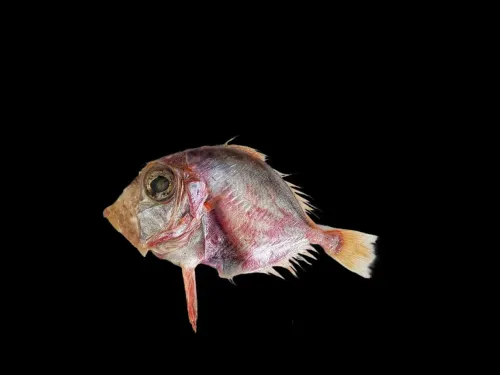
DeepDATA functions as both a reference tool and a crowdsourced documentation platform. Users — including students, researchers, fishermen, and marine enthusiasts — can browse photographs, taxonomic details, identifying characteristics, geographical distribution, and conservation status of deep-sea fish species. The app is designed to make specialist scientific knowledge on India's marine biodiversity accessible to a broad audience.
A standout feature is its citizen science module, which allows users to upload photographs and field observations of deep-sea fishes encountered during fishing trips, research cruises, or coastal visits. Each submission undergoes review and authentication by CMFRI scientists before being incorporated into a national digital repository, ensuring the data meets scientific standards.
Why Fishermen Are Central to the Initiative
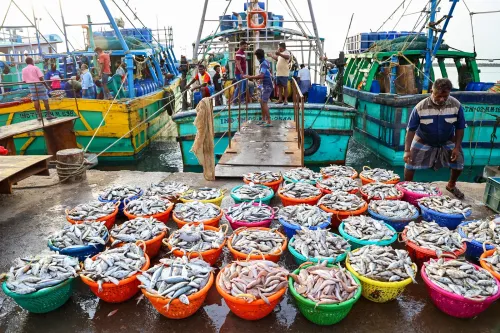
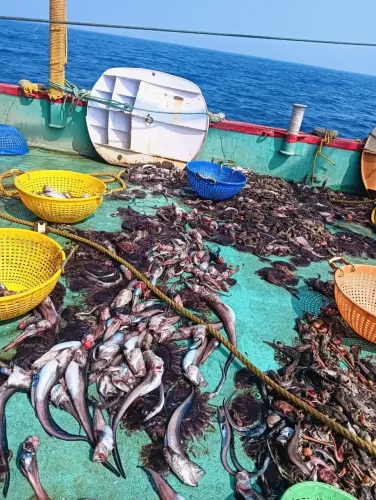
CMFRI Director Dr. Grinson George said the initiative would strengthen biodiversity mapping by tapping into the extensive field experience of fishermen who regularly operate in offshore and deep-sea grounds. 'Fishermen frequently come across species that are rarely documented through conventional scientific surveys. Their observations can provide valuable insights into species distribution, the occurrence of rare fishes and long-term changes in marine biodiversity, ultimately supporting conservation and sustainable management of India's deep-sea resources,' he said.
This recognition of fishermen as frontline data contributors represents a notable departure from traditional top-down scientific survey models, and could yield observations that research vessels — constrained by time and geography — routinely miss.
The Technology Behind the App
According to Dr. Eldho Varghese, In-charge of the CMFRI IT Unit and lead developer of the application, DeepDATA consolidates scientific knowledge and field observations onto a single digital platform, improving both accessibility and the systematic documentation of India's marine wealth. The app is currently available on Android via the Google Play Store.
Bridging Research and Education
Principal Scientist Dr. Rekha J. Nair, who leads the Deep Ocean Mission project at CMFRI, said the app bridges the gap between classroom learning and real-world marine research. Beyond its educational utility, DeepDATA is expected to support biodiversity assessments, inform conservation planning, and deepen scientific understanding of India's deep-sea ecosystems through collaborative public participation.
India's deep-sea territory remains one of the least surveyed marine frontiers in the region. With the Deep Ocean Mission already funding exploration and technology development, DeepDATA adds a participatory data layer that could accelerate the pace of discovery significantly.
Point of View
And conventional research cruises can only cover so much ground. Crowdsourcing observations from fishermen — who spend more hours on offshore waters than most scientists ever will — is a logical fix, provided the validation pipeline holds. The real test will be adoption: whether the app reaches the fishing communities it most needs, or stays confined to urban researchers and enthusiasts who already have access to scientific literature.
NationPress
21 Oct 2026
Frequently Asked Questions
What is the CMFRI DeepDATA app?
DeepDATA is a mobile application launched by the ICAR-Central Marine Fisheries Research Institute (CMFRI) that provides scientifically verified information on deep-sea fish species and allows users to contribute field observations to a national digital repository. It is available on the Google Play Store and was developed under the Deep Ocean Mission.
Who can use the DeepDATA app?
The app is designed for a wide audience including students, researchers, fishermen, and marine enthusiasts. Anyone can browse species data or upload photographs and observations encountered during fishing trips, research cruises, or coastal visits.
How does the citizen science feature work?
Users upload photographs and observations of deep-sea fishes directly through the app. Each submission is reviewed and authenticated by CMFRI scientists before being added to the national database, ensuring scientific accuracy and credibility.
Which government mission funds the DeepDATA app?
The app was developed under the Deep Ocean Mission, with funding support from the Ministry of Earth Sciences. The mission aims to advance India's exploration and scientific understanding of its deep-sea ecosystems.
Why are fishermen important to the DeepDATA initiative?
Fishermen regularly operate in offshore and deep-sea grounds where they encounter species rarely documented through conventional scientific surveys. CMFRI Director Dr. Grinson George said their observations can offer valuable insights into species distribution, rare fish occurrences, and long-term changes in marine biodiversity.