FSSAI orders festive season food inspections to tackle adulteration ahead of Navratri, Diwali
Synopsis
With Navratri and Diwali around the corner, FSSAI has put every state on alert — ordering intensified inspections, FSW mobile unit deployments, and real-time digital tracking of enforcement data. The regulator's specific focus on sweets, ghee, milk, and edible oils signals that festive food fraud remains a persistent and serious risk for Indian consumers.
Key Takeaways
FSSAI on 6 October 2026 directed all states and Union Territories to intensify food inspections ahead of Navratri and Diwali .
Priority products include milk and milk products , sweets , snacks , edible oils , ghee , and beverages .
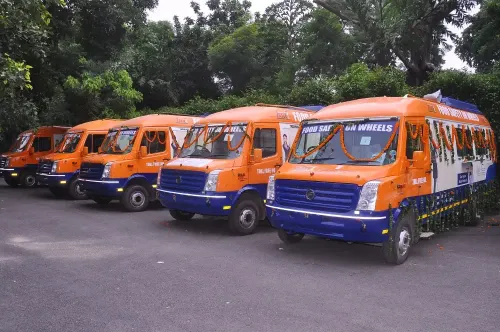
Food Safety on Wheels (FSW) mobile units to be deployed at major marketplaces for on-the-spot testing.
State food safety commissioners directed to target inspections at identified hotspots and sensitive locations.
All inspection and enforcement data must be updated in real time on the FoSCOS and FoSCORIS digital platforms.
States may add locally relevant items such as kuttu atta and singhada atta based on regional consumption patterns.
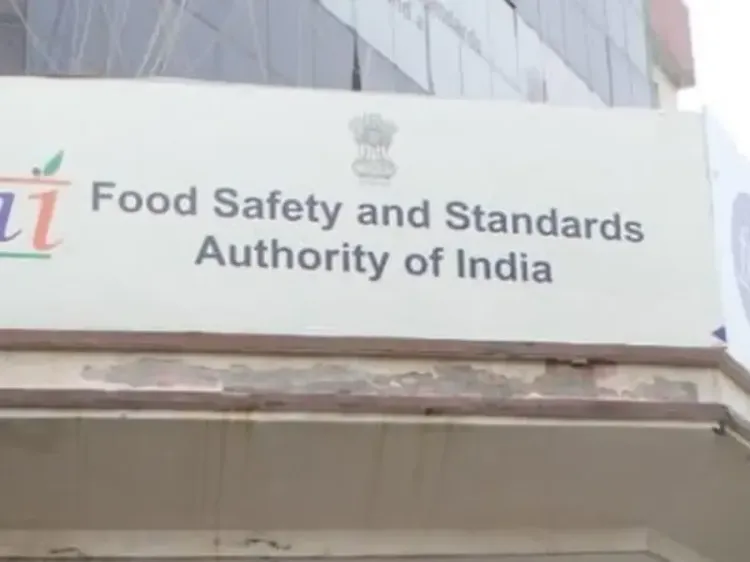
The Food Safety and Standards Authority of India (FSSAI) on Tuesday, 6 October 2026, directed food safety authorities across all states and Union Territories to sharply step up surveillance, inspections, and sampling ahead of the Navratri and Diwali festive season, citing heightened risk of adulterated, counterfeit, and unsafe food products entering the market during peak demand. The directive applies to the full supply chain of high-consumption festive items.
Why FSSAI Is Acting Now
The regulator flagged that festive periods generate significantly higher consumer demand for items such as sweets, snacks, beverages, edible oils, milk, and milk products — categories that have historically seen elevated adulteration incidents during seasonal spikes. FSSAI has treated the issue as one of 'utmost importance', directing state food safety commissioners to mobilise designated officers, food safety officers, and central food safety officers for ground-level action at identified hotspots and sensitive locations.
Key Products Under the Scanner
Authorities have been asked to place special focus on milk and milk products, sweets and savouries, edible oils, ghee, snacks, and beverages. States may also add other high-demand items based on local consumption patterns. In a post on X, FSSAI noted that regional variation matters: 'These commodities may vary and can be decided dependent upon the eating patterns and prevalence in the respective regions (e.g., use of kuttu atta/singhada atta in northern and western parts).'
Food Safety on Wheels to Cover Major Markets
The regulator has instructed authorities to deploy Food Safety on Wheels (FSW) mobile units, wherever available, at major marketplaces and other locations identified through intelligence inputs. These units will conduct on-the-spot testing, strengthen vigilance, create consumer awareness, and build public confidence in the quality and safety of festive food products. The deployment of mobile units is seen as a visible deterrent against adulteration at the retail level.
Real-Time Data Tracking Mandated
In a notable push for accountability, FSSAI has instructed officials to record and update all data related to inspections, sampling, and enforcement actions in real time on the FoSCOS and FoSCORIS digital platforms. The real-time data requirement is intended to allow central monitoring of enforcement activity across states as the festive period progresses.
What This Means for Consumers
For households purchasing sweets and dairy products in the run-up to Navratri and Diwali, the intensified inspections represent a formal safety net — though consumer groups have long argued that enforcement must be sustained year-round, not limited to festival windows. With FSW units visible at markets and digital compliance tracking in place, the current directive represents one of FSSAI's more operationally detailed festive-season mandates in recent years. All eyes are now on states' on-ground execution.
Point of View
And the annual festive crackdown — however operationally detailed — risks becoming a ritual that reassures without reforming. The real-time data mandate on FoSCOS and FoSCORIS is genuinely useful, but only if that data is made public and acted upon across seasons. The structural incentive for adulteration — thin margins, high demand, and historically low detection rates — does not disappear after Diwali.
NationPress
6 Oct 2026
Frequently Asked Questions
What has FSSAI directed ahead of Navratri and Diwali 2026?
FSSAI has directed food safety authorities across all states and Union Territories to intensify surveillance, inspections, and food sampling ahead of the Navratri and Diwali festive season. The focus is on preventing the sale of adulterated, counterfeit, and unsafe food products during the high-demand period.
Which food items are under FSSAI's special focus during the festive season?
FSSAI has specifically flagged milk and milk products, sweets, snacks and savouries, edible oils, ghee, and beverages as priority categories. States may additionally identify locally high-demand items such as kuttu atta and singhada atta depending on regional eating patterns.
What are Food Safety on Wheels (FSW) units and how will they be used?
Food Safety on Wheels are mobile testing units deployed by food safety authorities for on-the-spot food testing at markets and public locations. FSSAI has directed their deployment at major marketplaces and intelligence-identified locations to test products, boost vigilance, and raise consumer awareness during the festive season.
How will FSSAI track enforcement actions across states?
FSSAI has mandated that all inspection, sampling, and enforcement data be updated in real time on the FoSCOS and FoSCORIS digital platforms. This is intended to allow central monitoring of state-level compliance during the festive period.
Why is food adulteration a bigger risk during festive seasons?
Demand for sweets, dairy products, oils, and snacks spikes sharply during festivals like Navratri and Diwali, creating an incentive for unscrupulous sellers to introduce adulterated or counterfeit products. FSSAI has historically intensified inspections during these windows precisely because high turnover can mask quality compromises.