Government Reports 25,605 LPG Distributorships in India, 17,677 in Rural Areas
Synopsis
The Indian government has disclosed that there are over 25,605 LPG distributorships nationwide, with 17,677 specifically in rural areas. This initiative aims to enhance access to LPG for underserved communities while ensuring transparency and affordability through various measures.
Key Takeaways
25,605 LPG distributorships exist in India as of March 2026.
17,677 of these are located in rural areas.
8,037 new distributorships were added from April 2016 to February 2026.
The PMUY has facilitated over 10.56 crore connections nationwide.
Affordable prices are ensured through government subsidies and compensation to OMCs.
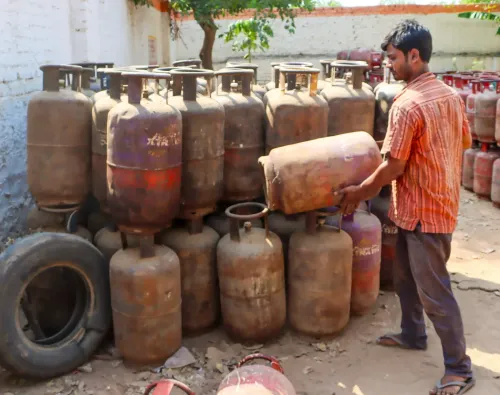
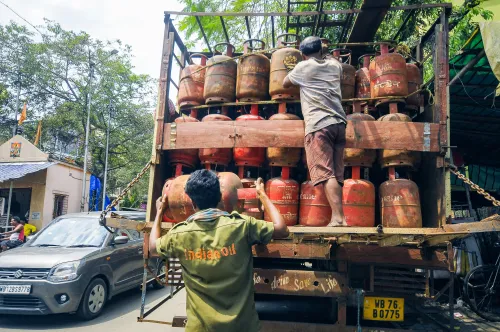
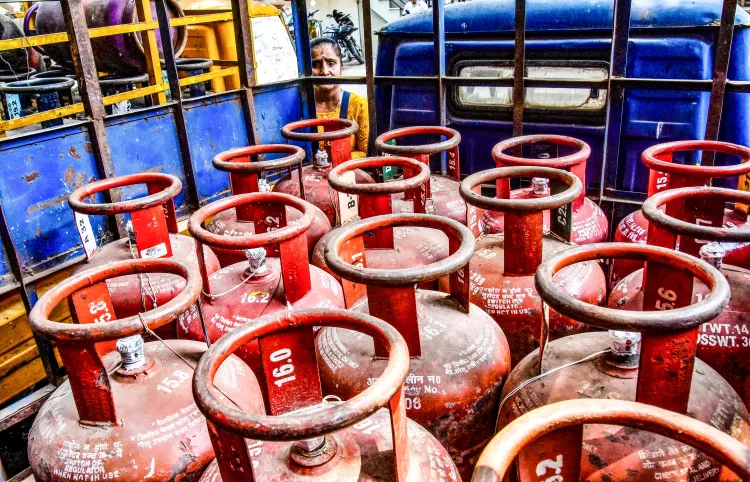
New Delhi, March 16 (NationPress) On Monday, the government revealed that there are currently 25,605 LPG distributorships across India as of March 1, 2026, with 17,677 located in rural regions. These distributorships are supported by 214 LPG bottling plants operated by Oil Marketing Companies (OMCs).
To enhance LPG accessibility in remote and rural areas, a total of 8,037 new distributorships were established between April 2016 and February 2026, with 7,444 (or 93 percent) dedicated to rural service, as shared by Suresh Gopi, Minister of State for Petroleum and Natural Gas, during a session in the Rajya Sabha.
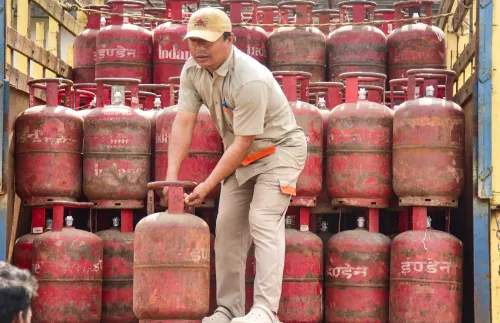
In a bid to foster transparency and empower consumers, the government has implemented IVRS/SMS refill booking nationwide, which provides SMS notifications at crucial phases such as booking, cash memo issuance, and delivery. Furthermore, OMCs have launched the Delivery Authentication Code (DAC), which is sent via SMS to both customers and delivery staff to confirm legitimate delivery.
To ensure that LPG remains affordable, the government has allocated Rs 22,000 crore in compensation to OMCs for the fiscal year 2022-23 and has sanctioned an additional Rs 30,000 crore for FY 2025-26, according to Gopi.
The minister also highlighted that the Pradhan Mantri Ujjwala Yojana (PMUY), initiated in May 2016, aims to provide deposit-free LPG connections to adult women from economically disadvantaged households nationwide.
As of March 1, 2026, approximately 10.56 crore PMUY connections have been established throughout the country.
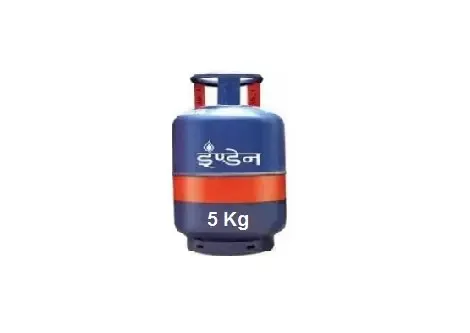
Currently, the retail price of a 14.2 kg domestic LPG cylinder stands at Rs 913 in Delhi. With a targeted subsidy of Rs 300/cylinder for PMUY users, the effective price for eligible beneficiaries is Rs 613 per cylinder.
India maintains self-sufficiency in the production of petrol and diesel, with no need for imports to satisfy domestic demand, as all refineries are functioning at optimal capacity and holding sufficient crude oil reserves, according to the Ministry of Petroleum and Natural Gas.
The government remains committed to prioritizing the needs of domestic consumers, ensuring a consistent supply of LPG, particularly for homes and essential sectors such as hospitals and educational institutions, as stated by the ministry.
Point of View
It's vital to highlight the government's ongoing commitment to energy accessibility in rural India. The establishment of thousands of LPG distributorships reflects a strategic move to empower households and ensure transparency in the delivery process. The emphasis on women beneficiaries under the PMUY showcases a progressive approach to addressing poverty and promoting sustainable energy solutions.
NationPress
30 Sept 2026
Frequently Asked Questions
How many LPG distributorships are there in India?
There are currently 25,605 LPG distributorships across India.
What is the significance of the PMUY?
The Pradhan Mantri Ujjwala Yojana provides deposit-free LPG connections to women from poor households, enhancing energy access.
What measures are in place to ensure LPG delivery transparency?
The implementation of IVRS/SMS booking and the Delivery Authentication Code (DAC) has been established to ensure transparency and secure delivery.
What is the current price of a domestic LPG cylinder in Delhi?
The retail price of a 14.2 kg domestic LPG cylinder is currently Rs 913, with a targeted subsidy for PMUY beneficiaries.
How is the government supporting LPG prices?
The government has compensated OMCs with Rs 22,000 crore for FY 2022-23 and Rs 30,000 crore for FY 2025-26 to keep LPG prices affordable.