MCD partners CSIR-CRRI for ECOFIX pothole repair tech in Delhi
Synopsis
Delhi's MCD has signed a formal technology agreement with CSIR-CRRI to deploy ECOFIX — a pothole repair material made from industrial steel slag — alongside road evaluation and quality supervision protocols. It is one of the most structured science-agency collaborations the civic body has entered into for road maintenance, arriving just ahead of the monsoon season.
Key Takeaways
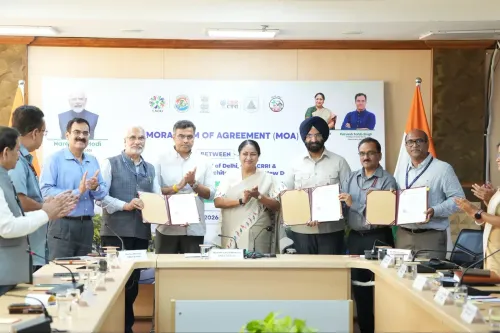
MCD signed an MoA with CSIR-CRRI on 12 June for instant pothole repair technology and road quality supervision.
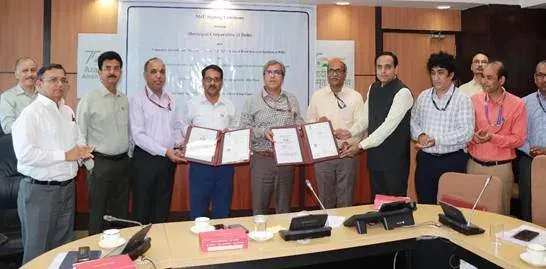
A bi-partite Technology Management Agreement was signed for ECOFIX , a pothole repair tech using processed iron and steel slag aggregates.
ECOFIX was invented by Satish Pandey , Flexible Pavement Division Head at CSIR-CRRI.
Other technologies covered include Steel Slag Road Technology , Rejupave , and MSS+ , all promoting circular economy and lower carbon emissions.
Improved road conditions are expected to reduce road dust, easing Delhi's air pollution burden.
The Municipal Corporation of Delhi (MCD) has signed a Memorandum of Agreement (MoA) with the CSIR-Central Road Research Institute (CSIR-CRRI) on 12 June for deploying new-generation materials for instant pothole repair, road evaluation, construction quality supervision, and staff capacity building. The agreement marks a significant shift toward science-backed urban road maintenance in the capital.
What the Agreement Covers
At the heart of the partnership is a bi-partite Technology Management Agreement for the implementation of ECOFIX — an instant pothole repair technology developed using processed iron and steel slag aggregates. The technology was invented by Satish Pandey, Head of the Flexible Pavement Division at CSIR-CRRI, and is designed to deliver rapid, durable repairs while repurposing industrial by-products in line with waste-to-wealth principles.
What Officials Said
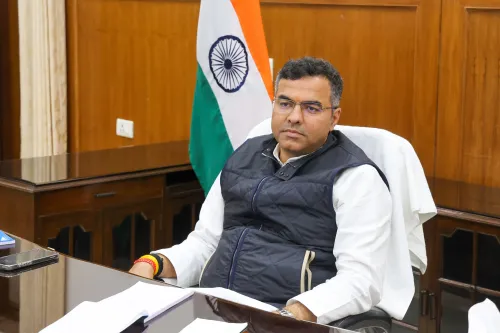
MCD Commissioner Sanjeev Khirwar stressed the importance of technology-driven approaches in urban road planning, expressing confidence that the collaboration would strengthen the civic body's technical capabilities. 'The partnership aims to enhance the quality, durability and sustainability of Delhi's road infrastructure through scientific road assessment, quality assurance and adoption of innovative maintenance technologies,' Khirwar said.
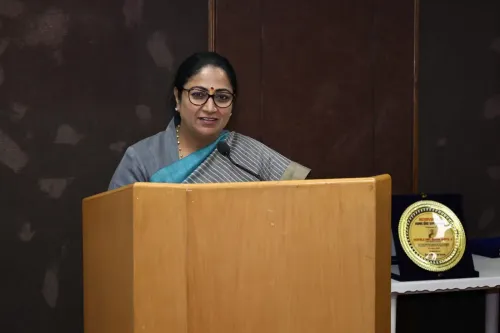
CSIR-CRRI Director Ravi Sekhar noted the institute's seven decades of contributions to India's road sector and said the tie-up would provide MCD with technical support across road evaluation, quality supervision, and deployment of sustainable technologies.
Technologies in Focus
Beyond ECOFIX, the agreement covers a suite of sustainable road technologies including Steel Slag Road Technology, Rejupave, and MSS+. According to Sekhar, these technologies promote resource conservation, circular economy principles, and reduced carbon emissions — addressing both infrastructure durability and environmental impact.
Pandey underlined that scientific road evaluation and adoption of advanced maintenance technologies would improve road serviceability and lifecycle performance while minimising disruptions to traffic and daily life.
Environmental and Urban Impact
Officials noted that improved road conditions and timely maintenance are expected to reduce road dust generation — a persistent contributor to Delhi's air pollution crisis. The use of steel slag and recycling-based repair materials also supports conservation of natural resources and reinforces circular economy practices, according to the civic body.
This collaboration comes amid growing pressure on Delhi's municipal administration to address the city's chronic pothole problem, which worsens significantly during and after the monsoon season. With the agreement now in place, MCD is expected to roll out ECOFIX-based repairs across identified stretches in the coming months.
Point of View
And MoAs with research bodies have been signed before — the question is always execution at scale. ECOFIX's steel-slag base is scientifically credible and the circular-economy angle is genuine, but MCD's track record on rolling out pilot technologies citywide is patchy. The real test will come during and after the monsoon, when pothole counts spike and repair windows shrink. Without a clear deployment timeline and ward-level targets, this agreement risks remaining a headline rather than a road-level fix.
NationPress
28 Oct 2026
Frequently Asked Questions
What is ECOFIX and how does it work?
ECOFIX is a rapid pothole repair technology developed by CSIR-CRRI that uses processed iron and steel slag aggregates as its base material. It is designed for instant, durable repairs and supports waste-to-wealth goals by repurposing industrial by-products.
What did MCD and CSIR-CRRI sign on 12 June?
MCD signed a Memorandum of Agreement (MoA) with CSIR-CRRI for new-technology pothole repair materials, road evaluation, construction quality supervision, and staff capacity building. A separate bi-partite Technology Management Agreement was also signed specifically for the deployment of ECOFIX.
Who invented ECOFIX and Steel Slag Road Technology?
Both technologies were invented by Satish Pandey, Head of the Flexible Pavement Division at CSIR-CRRI. He is also leading the initiative under the new MCD partnership.
How will this partnership help Delhi's air pollution problem?
Officials stated that improved road conditions and timely pothole repairs are expected to reduce road dust generation, which is a known contributor to Delhi's air quality deterioration. The use of recycling-based materials also reduces dependence on natural aggregates.
Which other road technologies are part of the MCD-CSIR-CRRI agreement?
Besides ECOFIX, the agreement covers Steel Slag Road Technology, Rejupave, and MSS+. According to CSIR-CRRI Director Ravi Sekhar, these technologies collectively promote resource conservation, circular economy principles, and reduced carbon emissions.