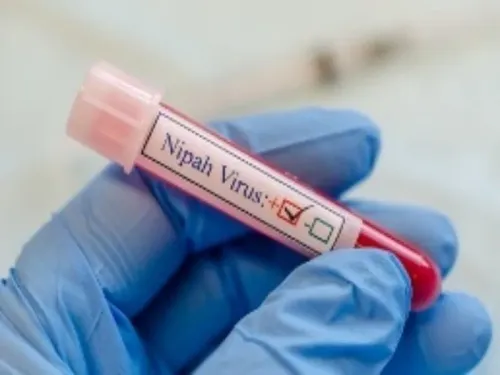
Is the New Nipah Virus Vaccine Safe and Effective?
Synopsis
A recent phase 1 trial of a new Nipah virus vaccine has shown promising results, indicating safety and an effective immune response. With Nipah virus outbreaks causing significant mortality rates, this development could be crucial for public health.
Key Takeaways
The HeV-sG-V vaccine is safe and generates an immune response.
Two doses are necessary for effective immunity.
First discovered in 1999, Nipah virus poses serious health risks.
The WHO has classified Nipah as a high-priority pathogen.
Future trials are essential for understanding the vaccine's effectiveness.
New Delhi, Dec 23 (NationPress) A phase 1 randomized clinical trial of a groundbreaking Nipah virus vaccine, spearheaded by researchers in the United States, holds promise for preventing this lethal infection. The vaccine, known as HeV-sG-V, showed safety and an immune response across all three doses and regimens, as reported in a study featured in The Lancet.
According to the research team from Cincinnati Children's Hospital Medical Center (CCHMC), the generation of antibodies within a month post-vaccination, alongside the sustained immunity provided by two doses, suggests that this vaccine candidate could be instrumental in both reactive outbreak control and preventative measures.
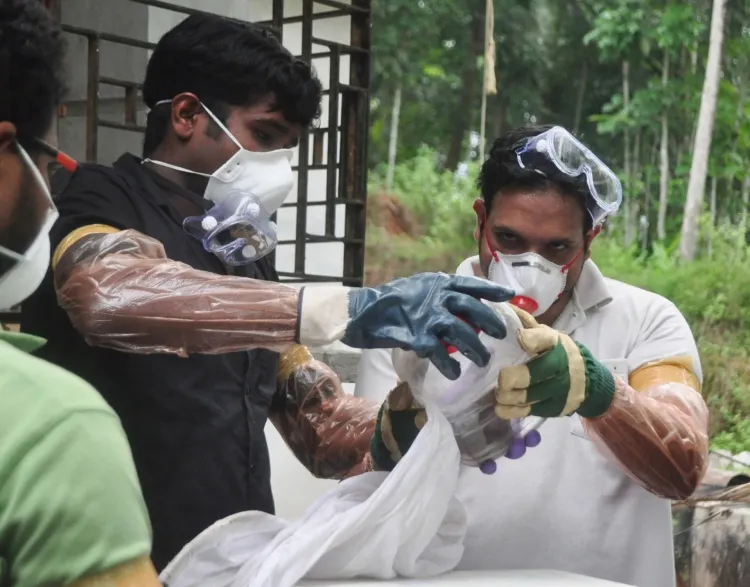
Discovered in 1999 in Malaysia, the Nipah virus (NiV) triggers annual outbreaks throughout South and Southeast Asia, particularly in India, with mortality rates ranging from 40% to 75%.
Recognized by the World Health Organization as a high-priority pathogen, the Nipah virus poses a significant threat, claiming up to 82% of infected individuals' lives, with no approved treatments or vaccines available to combat it.
Scientists from the Indian Council of Medical Research-National Institute of Virology in Uttar Pradesh, India, described these findings as a 'milestone' in the journey towards developing vaccines for Nipah.
The phase 1 trial involved 192 healthy individuals aged between 18 and 49 years. While a single dose proved insufficient, two doses were found to be immunogenic, with the strongest response observed in participants receiving two doses of 100 micrograms of HeV-sG-V spaced 28 days apart.
Neutralizing antibody levels surged significantly seven days after the second dose of the investigational product. The most common adverse event reported was mild-to-moderate pain at the injection site, with no serious adverse events, hospitalizations, or fatalities noted.
Experts from ICMR-NIV emphasized in their editorial the necessity for a larger phase 2 trial to better understand the vaccine's safety and the extent of protection it may offer.
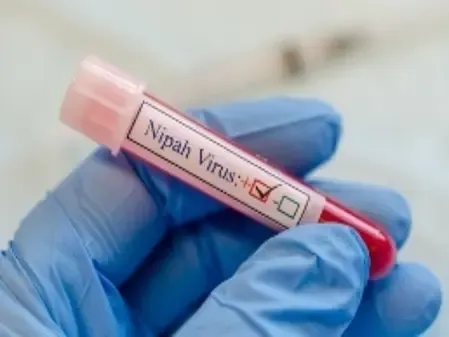
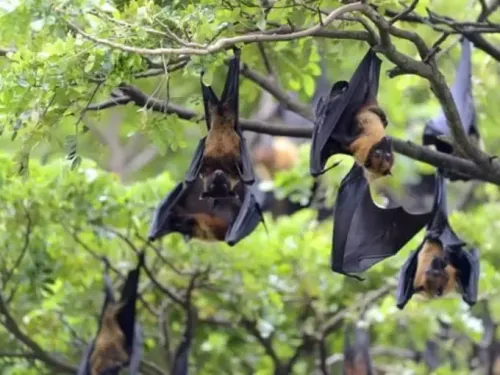
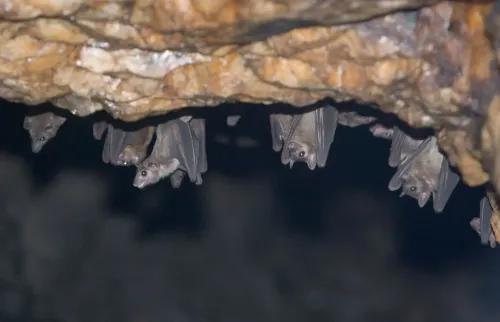
The Nipah virus disease represents an emerging zoonotic infectious disease caused by the Nipah virus (NiV). It can lead to acute encephalitis, severe respiratory complications, and often results in death.
Point of View
This development in the Nipah virus vaccine research represents a significant step forward in public health. The potential to prevent future outbreaks and protect communities, especially in high-risk regions, is a priority for health authorities. Continued research and larger trials are essential to ensure safety and efficacy.
NationPress
6 Oct 2026
Frequently Asked Questions
What is the Nipah virus?
The Nipah virus (NiV) is a zoonotic virus that can cause severe respiratory illness and acute encephalitis, often leading to death.
How effective is the new vaccine?
The new HeV-sG-V vaccine has shown safety and generated a strong immune response in the phase 1 trial, suggesting potential for effective outbreak control.
What are the side effects of the vaccine?
The most commonly reported side effect was mild-to-moderate pain at the injection site, with no serious adverse events reported.
Why is the Nipah virus a concern?
The Nipah virus is classified as a high-priority pathogen by the WHO due to its high mortality rates and the absence of approved treatments or vaccines.
What are the next steps for the vaccine?
Experts recommend conducting a larger phase 2 trial to further assess the vaccine's safety and efficacy.