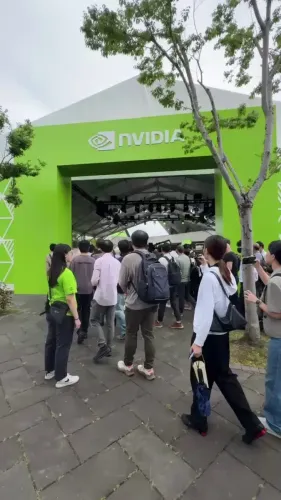
Nvidia CEO Jensen Huang to Keynote GTC Taipei on June 1
Synopsis
Nvidia has announced a livestreamed keynote by CEO Jensen Huang at GTC Taipei on June 1, 2026. Huang is expected to unveil advances in physical AI, scaling infrastructure, and scientific computing, continuing a pattern of major product disclosures at Taiwan-hosted events central to global AI supply chains.
Key Takeaways
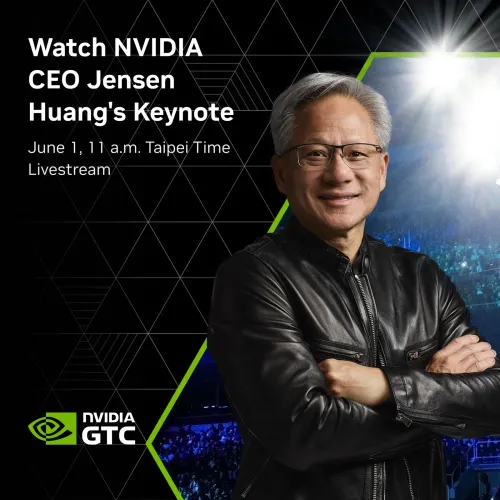
Jensen Huang will deliver a live keynote at NVIDIA GTC Taipei on Monday, June 1, 2026 , at 11 a.m.
The event will be livestreamed publicly, with Nvidia inviting global audiences via its official X account.
Announced focus areas include physical AI, scaling infrastructure, and scientific computing breakthroughs.
Taiwan hosts the event as the manufacturing home of TSMC , which produces Nvidia's most advanced chips.
US export controls on advanced AI chips to China remain a live policy variable shaping Nvidia's regional strategy.
Past GTC keynotes have introduced industry-defining technologies including CUDA, Tensor Cores, DGX systems, and the Hopper GPU architecture.
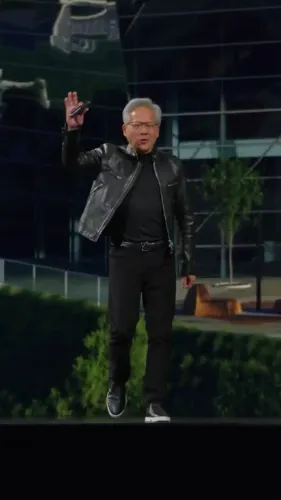
Chip giant Nvidia announced on Thursday, May 28, 2026, that founder and chief executive Jensen Huang will deliver a live keynote at NVIDIA GTC Taipei on Monday, June 1, at 11 a.m., with a public livestream open to viewers worldwide.
Context
Nvidia's official post invites audiences to 'hear Jensen unveil the breakthroughs in physical AI, scaling infrastructure, science, and more — and what's driving the next generation of AI.' The event is a regional edition of Nvidia's GPU Technology Conference, a platform the company has used since 2017 to introduce successive generations of hardware and software that now underpin most large-scale AI training clusters globally.
Jensen Huang co-founded Nvidia in 1993 and has steered it from a graphics-chip specialist to the dominant supplier of AI accelerators. His GTC keynotes have historically served as the industry's most-watched hardware announcements, with past editions introducing CUDA, Tensor Cores, DGX systems, and the Hopper GPU architecture.
Policy Backdrop
The choice of Taipei as host carries strategic weight. Taiwan is home to TSMC, the foundry that manufactures Nvidia's most advanced chips, making the island a critical node in global AI supply chains. Hosting a major product event there underscores the depth of that manufacturing dependency at a moment when United States export controls on advanced AI chips to China remain actively in force.
Successive rounds of export restrictions have reshaped Nvidia's addressable market in East Asia, pushing the company to develop compliant chip variants while continuing to expand capacity for customers in North America, Europe, and allied markets. The Taipei event provides a venue to address those supply-chain and regulatory realities directly with regional partners and customers.
Stakeholders and Impact
The keynote audience spans AI developers, cloud operators, semiconductor manufacturers, and national AI programme managers across Asia and beyond. Nvidia's platforms have become de-facto standards for both commercial and sovereign AI initiatives, meaning product or pricing signals from a Huang keynote can shift investment priorities across entire government and enterprise budgets.
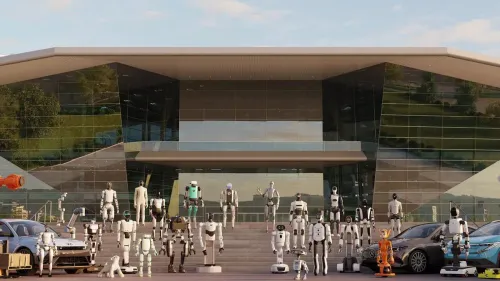
The stated focus on 'physical AI' points toward the expanding frontier of robotics, autonomous systems, and scientific simulation — areas where governments and corporations alike are racing to deploy AI outside data centres. Any hardware or software announcements in these domains would be of immediate interest to defence, manufacturing, and research institutions.
What's Next
The livestream begins at 11 a.m. on Monday, June 1, 2026, accessible via the link shared in Nvidia's post. Analysts and industry observers will watch closely for product availability timelines on any new chips or software stacks unveiled, as well as any commentary from Huang on the evolving US export-control landscape and its implications for Nvidia's Taiwan-based production and China sales strategy. Follow-on regulatory and market reactions are expected in the days immediately after the event.
Point of View
Not merely cloud training, which broadens its relevance to defence and industrial policy conversations globally. For Indian policymakers and enterprises pursuing sovereign AI programmes, the Taipei keynote will be a barometer for which hardware generations become available, at what price, and under what export conditions. Huang's keynotes have historically moved capital allocation decisions across governments and hyperscalers alike, giving this event an outsized policy footprint relative to a typical corporate product launch.
NationPress
11 Oct 2026
Frequently Asked Questions
When and where is the Nvidia GTC Taipei 2026 keynote?
The keynote by Nvidia CEO Jensen Huang is scheduled for Monday, June 1, 2026 , at 11 a.m. at NVIDIA GTC Taipei in Taiwan , with a public livestream available online.
What will Jensen Huang announce at GTC Taipei 2026?
Nvidia has stated Huang will unveil breakthroughs in physical AI, scaling infrastructure, and scientific computing, though specific product details have not been disclosed ahead of the event.
What is NVIDIA GTC and why does it matter?
NVIDIA's GPU Technology Conference is the company's flagship event for announcing new hardware and software platforms. Past editions introduced technologies such as CUDA, Tensor Cores, DGX systems, and the Hopper GPU architecture that now define global AI infrastructure.
Why is Nvidia holding a major event in Taiwan?
Taiwan is home to TSMC , the foundry that manufactures Nvidia's most advanced chips, making it a strategic location to engage regional partners and highlight the supply-chain relationships underpinning Nvidia's AI platforms.
How does the Nvidia GTC Taipei keynote affect India's AI plans?
Nvidia's platforms are de-facto standards for national AI programmes worldwide, including in India . Hardware and pricing signals from the keynote could influence procurement decisions and timelines for Indian government and enterprise AI initiatives.