Nvidia Spotlights Isaac ROS, Its Open-Source Robotics Platform
Synopsis
Nvidia has spotlighted Isaac ROS, its open-source robotics platform offering modular, CUDA-accelerated libraries and AI models. Designed for autonomous mobile robots, manipulation systems, and humanoids, the platform aims to lower the barrier for robotics developers worldwide and accelerate commercial deployment of intelligent robots.
Key Takeaways
Isaac ROS is Nvidia's open-source robotics platform providing modular, CUDA-accelerated libraries and AI models for robot developers.
The platform targets three application categories: autonomous mobile robots , manipulation systems, and humanoid robots .
Nvidia originally launched the Isaac robotics platform in 2018 , expanding it over time into a full-stack software ecosystem.
The open-source model is designed to broaden developer access globally, including for startups and research institutions.
The platform is compatible with ROS 2 frameworks widely used in academic and industrial robotics development.
Nvidia's robotics software push mirrors its earlier ecosystem-building moves in autonomous vehicles and data-centre AI .
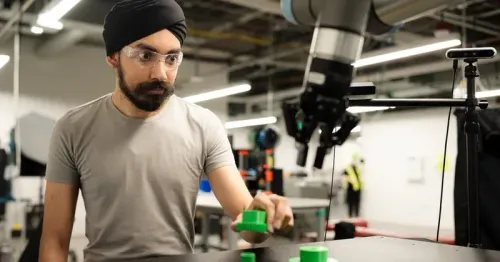
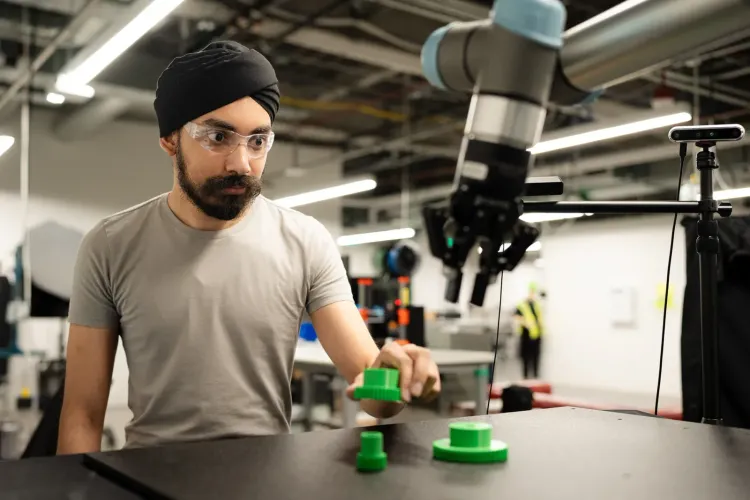
Chip giant Nvidia on Thursday, 2 July 2026 highlighted its open-source robotics software platform Isaac ROS, spotlighting the work of its robotics engineering team in building modular, AI-accelerated tools that help developers create autonomous robots, manipulation systems, and humanoids.
Context
The post centres on Isaac ROS, Nvidia's open-source platform that provides CUDA-accelerated libraries and AI models designed for robotics developers. The platform targets three key application areas: autonomous mobile robots (AMR), manipulation systems, and humanoid robots. In the company's own words, the goal is to give builders 'software that builders can trust' before a robot can 'change the world.'
Nvidia's robotics engineering team, highlighted through this post, underscores the company's strategy of pairing its hardware prowess with developer-friendly software ecosystems. The emphasis on modularity means individual libraries can be adopted incrementally, lowering the barrier for smaller teams and startups.
Policy Backdrop
Nvidia first launched the Isaac robotics platform in 2018, initially focused on simulation and perception tools for AI-powered robots. Over the subsequent years, the platform evolved into a full-stack software ecosystem that mirrors Nvidia's broader expansion from gaming and graphics hardware into AI infrastructure.
The open-source approach adopted for Isaac ROS is consistent with industry-wide trends where major technology companies release developer tooling as open source to accelerate ecosystem adoption. This strategy has precedent in Nvidia's earlier moves into autonomous vehicles and data-centre AI, where developer ecosystems proved critical to commercial traction.
Stakeholders and Impact
The primary beneficiaries of Isaac ROS are robotics developers and AI engineers building production-grade autonomous systems. By offering modular, CUDA-accelerated libraries, Nvidia reduces the time and expertise required to integrate GPU-powered perception and decision-making into robot platforms.
For the broader robotics industry, the platform's open-source nature means that research institutions, early-stage startups, and large manufacturers can all access the same foundational tools. This democratisation of robotics software aligns with the view expressed in the post: 'When more people can build robots, the future gets here faster.'
India's growing robotics and AI engineering talent pool stands to benefit directly, as Isaac ROS is accessible globally and compatible with widely used ROS 2 frameworks, which are taught in engineering programmes across the country.
What's Next
Nvidia's GTC developer conference remains the key venue to watch for new library releases, expanded model support, and deeper integrations within the Isaac ROS ecosystem. As humanoid robotics moves from laboratory settings toward commercial deployment, demand for trusted, production-ready software stacks is expected to intensify.
The company's continued investment in open-source robotics tooling signals that Nvidia views software ecosystem depth — not just hardware performance — as a long-term competitive moat in the autonomous systems market.
Point of View
Not merely a product update. By humanising its engineering work and emphasising open-source access, Nvidia is competing for developer mindshare at a moment when the robotics software stack is still being standardised across the industry. This mirrors the playbook used by cloud and AI platform companies to entrench themselves before markets mature. For India's expanding robotics and AI engineering community, the availability of a trusted, GPU-native software foundation could meaningfully accelerate the path from prototype to production.
NationPress
30 Sept 2026
Frequently Asked Questions
What is Nvidia Isaac ROS?
Isaac ROS is Nvidia's open-source robotics software platform that provides modular, CUDA-accelerated libraries and AI models to help developers build autonomous mobile robots, manipulation systems, and humanoid robots.
Is Nvidia Isaac ROS free to use?
Yes, Isaac ROS is an open-source platform, meaning developers can access and use its libraries and AI models without a licensing fee, though specific components may have their own terms.
What types of robots can be built with Isaac ROS?
Developers can use Isaac ROS to build autonomous mobile robots (AMR) , robotic manipulation systems, and humanoid robots, covering a wide range of industrial and research applications.
When did Nvidia launch its Isaac robotics platform?
Nvidia launched the Isaac robotics platform in 2018 , initially focused on simulation and perception tools, before expanding it into the broader Isaac ROS open-source ecosystem.
How does Isaac ROS benefit Indian robotics developers?
Isaac ROS is globally accessible and compatible with ROS 2 frameworks taught in Indian engineering programmes, giving Indian robotics developers and startups access to GPU-accelerated, production-ready robotics software tools.