Could Oral Bacteria Intensify Disability in Multiple Sclerosis Patients?

Synopsis
Recent findings reveal a startling link between oral health and the severity of multiple sclerosis. A specific oral bacterium, Fusobacterium nucleatum, is associated with increased disability among MS patients. This discovery highlights the potential for oral hygiene to influence neurological outcomes, making it a vital area for further research.
Key Takeaways
Periodontitis may exacerbate disability in multiple sclerosis .
The bacterium Fusobacterium nucleatum is linked to severe MS disability.
Oral health could be a modifiable factor in managing chronic diseases.
Chronic inflammation in the mouth may influence neurological health.
Future research aims to explore these connections further.
New Delhi, Dec 30 (NationPress) An increased prevalence of severe gum disease, known as periodontitis, may lead to exacerbated disability in individuals suffering from multiple sclerosis (MS), which is a chronic autoimmune disorder affecting the central nervous system.
Prior research has suggested that periodontitis could be a factor in central nervous system ailments due to ongoing inflammation. However, its precise impact on multiple sclerosis has remained ambiguous.
A recent study, published in the journal Scientific Reports, discovered that elevated levels of Fusobacterium nucleatum—a type of bacterium present in the oral cavity—were linked to nearly ten times the likelihood of experiencing severe disability in MS patients.
“While the gut microbiome has received significant attention in multiple sclerosis research, the possible influence of the oral microbiome has not been thoroughly examined. Given that the oral cavity is a significant source of chronic inflammation and is a modifiable factor, understanding its connection to the severity of multiple sclerosis is crucial for unraveling disease mechanisms and formulating new preventive measures,” stated Masahiro Nakamori, an associate professor at Hiroshima University Hospital.
The research team found that approximately two-thirds (61.5%) of MS patients with a high relative abundance of Fusobacterium nucleatum were classified within the moderate-to-severe disability range, in contrast to about one-fifth (18.6%) of those with less severe cases.
No similar correlation was identified in patients diagnosed with neuromyelitis optica spectrum disorder or myelin oligodendrocyte glycoprotein antibody-associated disease. MS patients harboring both Fusobacterium nucleatum and at least one additional periodontal pathogen exhibited even greater disability.
“Fusobacterium nucleatum may serve as a covert ‘bridge bacterium’—linking not only bacterial communities in dental biofilms but also possibly connecting oral inflammation to neurological impairment,” explained Nakamori.
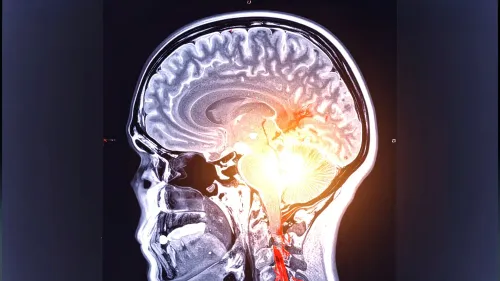
Multiple sclerosis is characterized as a central inflammatory demyelinating disease targeting the myelin sheath, the protective layer enveloping certain nerve cells.
Although the specific etiology of multiple sclerosis remains elusive, factors such as viral infections, smoking, vitamin deficiencies, and genetic predispositions are considered potential contributors.
The research team aims to conduct broader, multi-center investigations to confirm the linkage between oral bacteria and the severity of multiple sclerosis.
Point of View
It's essential to highlight the emerging connections between oral health and neurological diseases. This research underscores the importance of comprehensive healthcare approaches that integrate dental health into the management of chronic conditions like multiple sclerosis. It paves the way for innovative preventive strategies, potentially improving quality of life for many.
NationPress
29 Sept 2026
Frequently Asked Questions
How does oral health affect multiple sclerosis?
Recent research indicates that certain oral bacteria, particularly Fusobacterium nucleatum, may contribute to the severity of disability in MS patients by linking chronic oral inflammation to neurological impairment.
What is periodontitis?
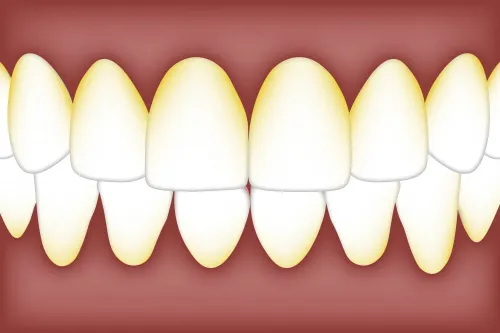
Periodontitis is a severe gum disease characterized by inflammation and destruction of the supporting structures of the teeth, which can lead to tooth loss if untreated.
What role does the oral microbiome play in health?
The oral microbiome is a complex community of bacteria that can influence overall health, including links to systemic diseases such as multiple sclerosis.
Are there preventive measures for MS related to oral health?
Maintaining good oral hygiene, regular dental check-ups, and addressing gum disease may serve as potential preventive strategies for those at risk of increased disability in multiple sclerosis.
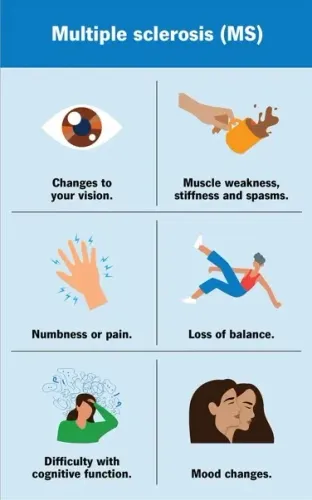
What are the symptoms of multiple sclerosis?
Symptoms of multiple sclerosis can vary widely but often include fatigue, mobility issues, numbness, and difficulties with coordination and balance.