Have 172 railway stations been enhanced under the Amrit Bharat scheme?
Synopsis
Discover how the Amrit Bharat Station Scheme is transforming 172 railway stations across India, enhancing accessibility, safety, and passenger amenities, as shared by Railways Minister Ashwini Vaishnaw.
Key Takeaways
172 railway stations have been redeveloped.
Focus on accessibility and amenities for passengers.
Integration with urban areas is a priority.
Safety measures for bridges are in place with numerous repairs.
Environmentally friendly solutions are being adopted.
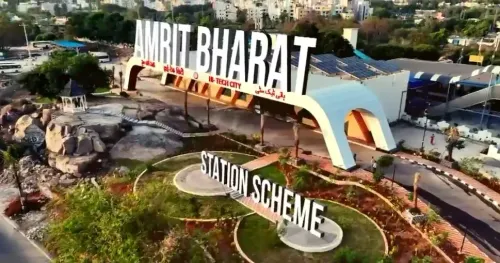
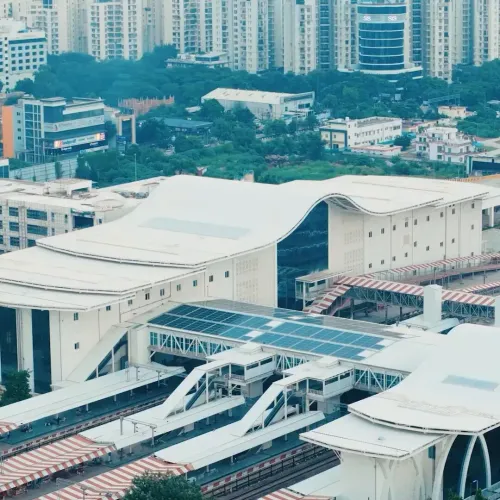
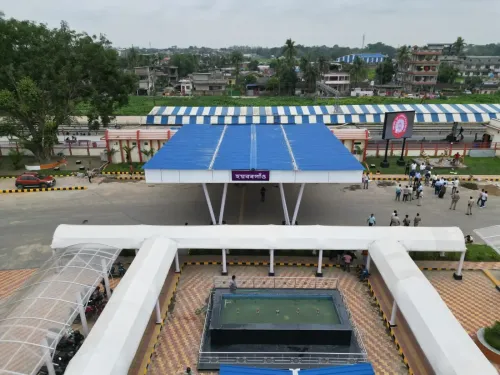
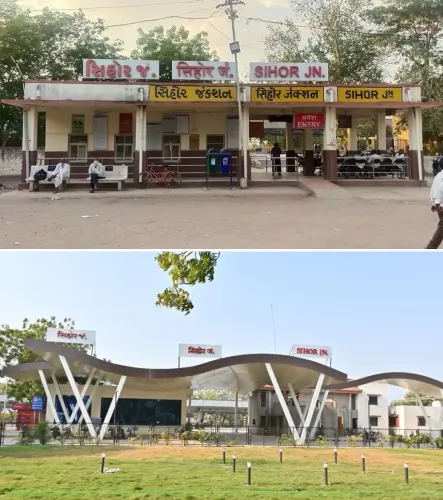
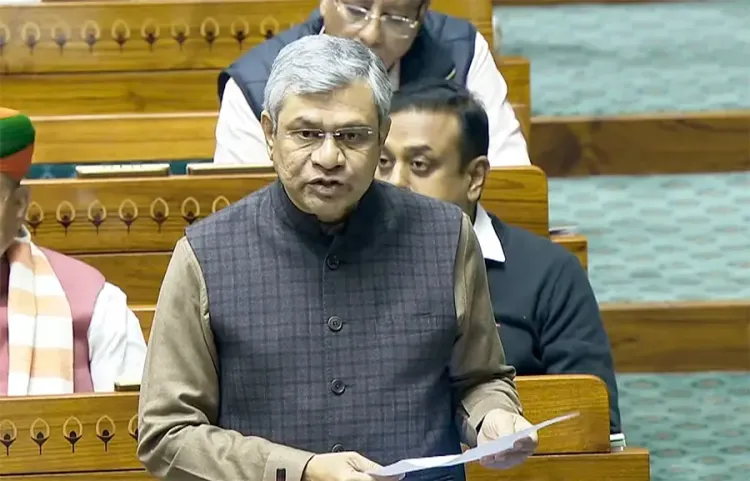
New Delhi, Feb 5 (NationPress) The redevelopment of 172 railway stations has been successfully finalized under the Amrit Bharat Station Scheme, which is designed to enhance accessibility to stations and surrounding areas, seamlessly integrating stations with both sides of the city. This initiative also focuses on improving facilities, including waiting halls and toilets, to provide superior amenities to passengers, stated Railways Minister Ashwini Vaishnaw on Thursday.
The scheme further includes the construction of wider foot over bridges tailored to handle passenger traffic, along with the installation of escalators and lifts, improved parking areas, and advanced passenger information systems. Furthermore, provisions have been made for multimodal integration and kiosks for the sale of goods to travelers.
Additionally, the initiative promotes sustainable and eco-friendly solutions, the introduction of ballastless tracks, phased development, and long-term plans for establishing a city center at the station. Currently, 1,337 stations have been earmarked for development under this scheme, as per Vaishnaw's written response in Lok Sabha.
The minister elaborated that the Indian Railways places utmost importance on bridge safety nationwide, having repaired, strengthened, and reconstructed a total of 8,626 railway bridges from 2022 to 2025 (up to December 2025).
A structured system for inspecting railway bridges is in place, with inspections conducted biannually by designated officials—once before the monsoon season and another detailed inspection following it. Certain bridges are inspected more frequently based on their condition, as determined by the Chief Bridge Engineer.
The comprehensive technical inspections of major bridges ensure that 20 percent of these structures are evaluated each year, the minister clarified.
Moreover, specific railway bridges undergo more frequent inspections based on their condition. Repairs are carried out when deemed necessary, as identified through these inspections. Special technical audits are also performed, with follow-up actions taken accordingly.
Inspections of subways and Road Under Bridges (RUBs) are similarly conducted before and after the monsoon. Measures have been implemented to alleviate water-logging in RUBs and subways, such as improved drainage in new designs, redirecting water to natural drains, constructing humps and cross-drains, sealing joints, and deploying high-capacity pumps at vulnerable sites, the minister added.
The methodologies for bridge rehabilitation are detailed in the Indian Railway Bridge Manual (IRBM). Compliance with the Quality Assurance Plan (QAP) and Inspection and Testing Plan (ITP) is ensured through effective contract management and adherence to general and special contract conditions.
Point of View
It’s crucial to recognize the significant upgrades being made to railway infrastructure under the Amrit Bharat Station Scheme. The enhancements not only improve passenger experience but also reflect a commitment to sustainability and safety in Indian Railways.
NationPress
2 Oct 2026
Frequently Asked Questions
What is the Amrit Bharat Station Scheme?
The Amrit Bharat Station Scheme aims to enhance the accessibility and facilities of railway stations across India, integrating them better with urban areas.
How many railway stations have been redeveloped?
A total of 172 railway stations have been redeveloped under this scheme, with 1,337 stations identified for future development.
What improvements are included in the redevelopment?
Improvements include enhanced waiting halls, toilets, wider foot over bridges, escalators, lifts, and better parking areas.
How is bridge safety being managed?
Indian Railways has repaired and strengthened 8,626 railway bridges and conducts biannual inspections to ensure safety.
What measures are taken to prevent water-logging in subways?
Measures include improved drainage designs, water diversion to natural drains, and installation of high-capacity pumps.