Sam Altman Hails Oklo Reactor Hitting Criticality
Synopsis
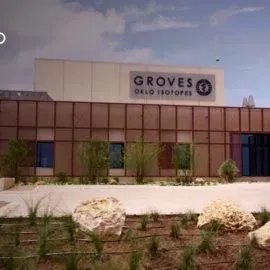
OpenAI CEO Sam Altman publicly congratulated Oklo, a nuclear startup where he is chairman and early investor, after its Groves Reactor achieved first criticality in under a year from groundbreaking — a rare feat in advanced fission energy.
Key Takeaways
Oklo's Groves Reactor achieved first criticality — the point at which a reactor sustains a self-supporting chain reaction — in under a year from groundbreaking.
Sam Altman , CEO of OpenAI, is an early investor and chairman of Oklo, giving his congratulations added significance.
Criticality is a foundational milestone that opens the path from design to actual power generation.
The achievement fits a broader surge of venture-backed interest in small modular and micro-reactors as dispatchable, low-carbon power sources.
Next key milestones for Oklo include US Nuclear Regulatory Commission licensing, grid-connection plans, and potential new customer agreements.
The AI industry's surging electricity demand, driven by data centres, has made reliable clean power a strategic priority for tech leaders including Altman.
A nuclear startup just crossed one of the hardest finish lines in energy — and OpenAI chief executive Sam Altman was among the first to cheer it publicly. On Friday, 8 August 2026, Altman posted on X to congratulate Oklo on achieving reactor criticality for its Groves Reactor, noting the milestone came 'less than a year after groundbreaking' — a timeline that would be extraordinary by any standard in the nuclear industry.
What 'criticality' actually means — and why it matters
Criticality is the moment a nuclear reactor sustains a self-supporting chain reaction for the first time. It is not an accident or a danger signal — it is the proof-of-concept every advanced reactor project races toward. Without it, a design is still theory. With it, the path to power generation opens. For Oklo, a California-based nuclear startup building small advanced fission reactors, reaching this point in under twelve months from groundbreaking is a significant engineering claim that sets it apart from the decade-long construction timelines that have historically plagued large conventional reactors.Altman's long bet on Oklo
Sam Altman is not a casual observer here. He has been an early investor and chairman of Oklo, backing the company well before the current wave of AI-driven electricity demand made nuclear power fashionable in Silicon Valley. His post — a simple 'congrats to oklo for achieving criticality!' — carries the weight of a founder-investor watching a long-held conviction pay off in hardware. The exclamation point is earned. The timing is also pointed. The artificial intelligence industry, which Altman leads through OpenAI, is one of the fastest-growing consumers of electricity on the planet. Data centres powering large language models require dispatchable, around-the-clock power that wind and solar alone cannot reliably provide. Small modular and micro-reactors, of the kind Oklo is developing, are increasingly pitched as the answer — low-carbon, compact, and capable of running continuously regardless of weather.The wider race to commercialise next-generation nuclear
Oklo is not alone in this space, but achieving first criticality in under a year positions it at the sharp end of a competitive field of venture-backed nuclear startups trying to prove that advanced fission can be built faster and cheaper than the industry's troubled recent history suggests. The next milestones to watch are regulatory licensing progress with the US Nuclear Regulatory Commission, plans to connect to the grid, and any new customer agreements or follow-on funding rounds that the criticality achievement may now unlock. For a global audience watching AI companies scramble for clean, reliable power, Oklo's Groves Reactor just became a name worth remembering.Point of View
If the claim holds, challenges the conventional wisdom that advanced nuclear is too slow and capital-intensive to compete with other clean-energy sources. It signals that the venture-capital playbook — fast iteration, compressed timelines, founder-led urgency — may finally be penetrating one of the most regulation-heavy industries on earth. Investors and policymakers in energy-hungry markets, including India, will be watching whether Oklo can translate this milestone into a licensed, grid-connected commercial product.
NationPress
7 Aug 2026
Frequently Asked Questions
What is reactor criticality and why is it important?
Reactor criticality is the point at which a nuclear reactor sustains a continuous, self-supporting chain reaction for the first time. It is the foundational proof-of-concept that confirms a reactor design works in practice and opens the path to actual electricity generation.
What is Oklo and what does it do?
Oklo is a US-based nuclear startup developing small advanced fission reactors designed to be built faster and at smaller scale than conventional large nuclear plants. Sam Altman is an early investor and serves as its chairman.
Why is Sam Altman invested in nuclear energy?
Altman has publicly backed clean-energy solutions, including nuclear, as part of a broader investment thesis. As CEO of OpenAI , he is also acutely aware that AI data centres require massive amounts of reliable, around-the-clock electricity — a need that advanced nuclear reactors are designed to meet.
What happens after a reactor achieves criticality?
After first criticality, the key next steps for a reactor project typically include completing regulatory licensing with bodies like the US Nuclear Regulatory Commission , connecting to the power grid, and securing commercial customer agreements.
How does Oklo's timeline compare to traditional nuclear projects?
Traditional large nuclear reactors have often taken a decade or more to build. Oklo's claim of achieving criticality in under a year from groundbreaking, if verified through regulatory review, would represent a dramatically compressed timeline for the nuclear industry.