Shanghai scientists grow world's first lab-made sinoatrial node organoid
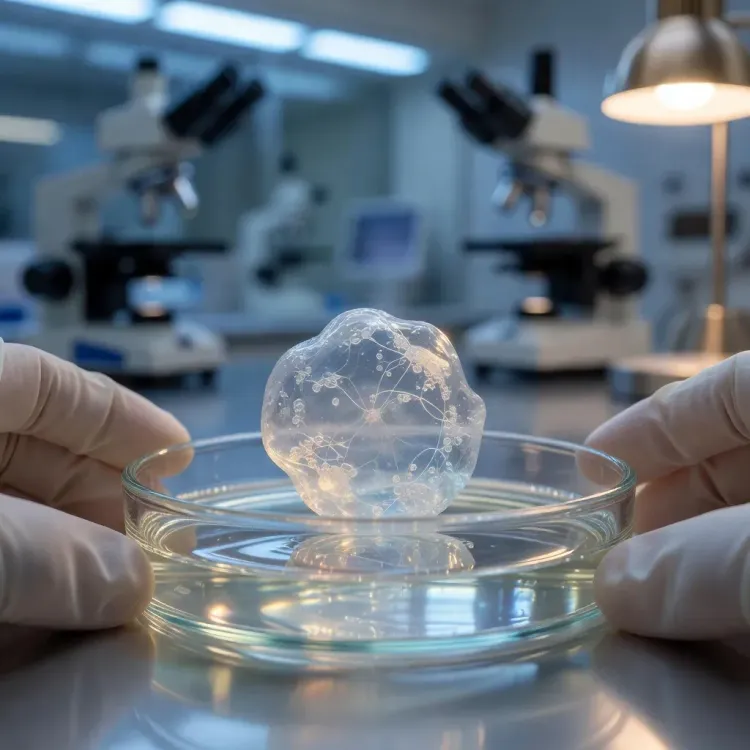
Synopsis
Shanghai scientists have grown the world's first autonomous sinoatrial node organoid from human stem cells — a functional replica of the heart's natural pacemaker that could make mechanical pacemakers obsolete and revolutionise cardiac drug testing.
Key Takeaways
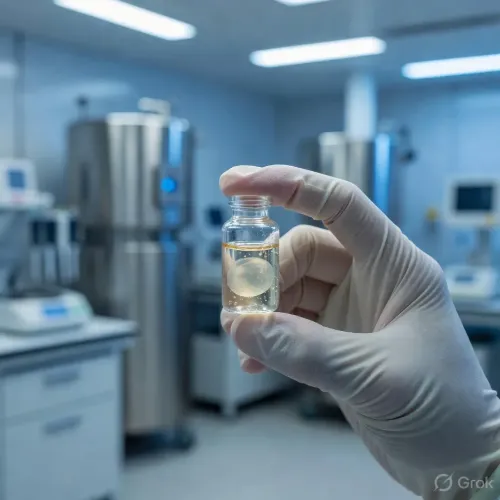
Shanghai researchers created the world's first laboratory-grown sinoatrial node organoid , published in Cell Stem Cell .
The organoid was built using human pluripotent stem cells and beats autonomously, replicating the heart's natural pacemaker function.
Collaborating institutions include Zhongshan Hospital , Fudan University , Stanford , SUNY Downstate Health Sciences University , and the Chinese Academy of Sciences .
The sinoatrial node controls heart rhythm by sending electrical signals to the atria and ventricles; its failure can be life-threatening.
Near-term applications focus on cardiac disease research and drug screening ; a fully implantable biological pacemaker remains a longer-term goal.
Shanghai researchers have engineered the world's first laboratory-grown sinoatrial node organoid using human pluripotent stem cells, a development that could fundamentally reshape how cardiac disease is studied and treated. The organoid — capable of beating autonomously — replicates the function of the heart's natural pacemaker, according to the research team. The findings were published in Cell Stem Cell.
Why it matters
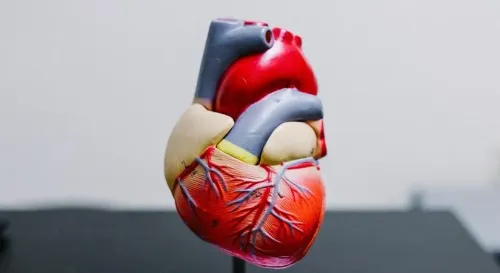
The sinoatrial node is a small but critical cluster of cells nestled within the right atrial chamber of the heart. Often called the heart's 'master conductor', it generates and transmits electrical signals — regulated by the nervous system — that coordinate the contraction of the atria and ventricles, keeping blood circulating efficiently. When this node fails, the heart can slow to dangerously low rates or stop beating altogether, a potentially fatal condition that currently requires implanted mechanical pacemakers in severe cases.
The Shanghai team's lab-grown equivalent opens a biological alternative, offering a platform to study node dysfunction and screen cardiac drugs without relying on animal models or scarce human tissue.
The breakthrough explained
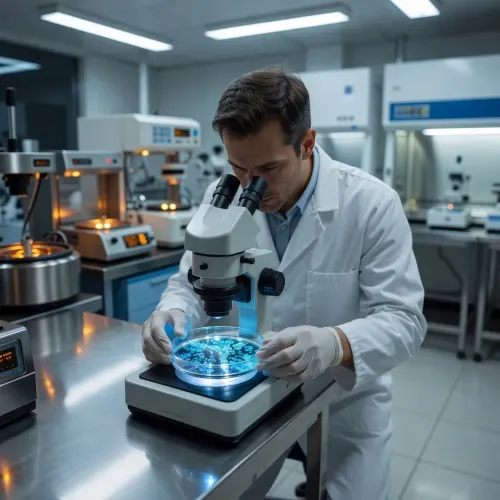
Using human pluripotent stem cells — which retain the ability to self-renew and differentiate into virtually any cell type — the researchers constructed a 3D sinoatrial node organoid that fires electrical signals spontaneously, mirroring the behaviour of its in-vivo counterpart. The work involved collaboration with institutions including Zhongshan Hospital, Fudan University, Stanford, SUNY Downstate Health Sciences University, and the Chinese Academy of Sciences. The organoid's autonomous beating is a key validation that the structure is functionally, not just anatomically, representative.
Competitive backdrop
The organoid field has expanded rapidly over the past decade, with labs worldwide growing miniature kidneys, livers, and brain tissue to model disease. Cardiac organoids, however, have lagged behind due to the complexity of replicating the heart's electrophysiological architecture. Achieving a beating sinoatrial node — rather than generic cardiac muscle — marks a qualitative leap. It also arrives as China accelerates investment in biomedical research, positioning domestic institutions at the frontier of regenerative medicine.
What's next
Researchers say the organoid is immediately applicable to cardiac disease research and drug screening, allowing scientists to test compounds on a human-derived, electrically active model. The longer-term ambition — replacing mechanical pacemakers with a biological equivalent — remains a more distant goal, requiring advances in immune tolerance, vascularisation, and surgical implantation techniques. Still, the organoid provides the foundational proof-of-concept that such a path is scientifically plausible.
The next phase to watch is whether the organoid can integrate with broader cardiac tissue models, and whether any pharmaceutical or medtech partners move to commercialise the drug-screening application in the near term.
Point of View
Publishing in a top-tier Western journal with Stanford and SUNY co-authors, is staking a claim at the frontier of regenerative cardiology — an area with enormous commercial potential in pacemaker markets worth billions annually. What mainstream coverage underplays is the drug-screening angle; a reliable, electrically active human sinoatrial node organoid could displace costly and ethically fraught animal models in cardiac pharma trials, compressing development timelines. The collaboration structure — domestic hospitals, elite Chinese universities, and US academic partners — also reflects a scientific globalisation that persists despite broader US-China tech tensions. The race now is to vascularise and scale these organoids, and whoever solves that problem first will control a platform technology, not just a research curiosity.
NationPress
7 Oct 2026
Frequently Asked Questions
What is a sinoatrial node organoid and why is it significant?
A sinoatrial node organoid is a laboratory-grown, three-dimensional replica of the heart's natural pacemaker structure, engineered from human stem cells. The Shanghai team's version is the world's first such organoid capable of beating autonomously, making it significant because it provides a human-derived model for studying cardiac rhythm disorders and testing drugs without animal tissue.
Could this lab-grown organoid replace mechanical pacemakers?
Replacing mechanical pacemakers with a biological equivalent is the long-term ambition, but researchers acknowledge it remains a distant goal. Challenges including immune compatibility, vascularisation, and surgical integration must be solved first; the current organoid's immediate value is as a research and drug-screening platform.
Which institutions were involved in the sinoatrial node research?
The research involved a multi-institutional collaboration spanning Zhongshan Hospital , Fudan University , Stanford , SUNY Downstate Health Sciences University , and the Chinese Academy of Sciences . The findings were published in the journal Cell Stem Cell .
What happens when the sinoatrial node fails?
When the sinoatrial node fails, the heart loses its primary electrical timing signal, causing the heartbeat to slow to dangerous levels or pause entirely. In severe cases the condition is life-threatening, and patients currently require implanted mechanical pacemakers to regulate their heart rhythm.
How does this advance the field of cardiac organoid research?
Cardiac organoids have historically lagged behind kidney and brain organoids because replicating the heart's complex electrophysiology is extremely difficult. Growing a functionally beating sinoatrial node — rather than generic heart muscle — is a qualitative step forward, providing scientists with an electrically active human model for the first time.