TGOOD launches world's first prefab green energy hub for data centres in Qingdao
Synopsis
China's TGOOD has unveiled the world's first prefabricated green energy hub for data centres in Qingdao, promising 100% renewable power, a 30% smaller land footprint, and 20% lower costs — a direct response to AI's explosive electricity appetite.
Key Takeaways
TGOOD , based in Qingdao, Shandong , unveiled the world's first prefabricated energy hub for computing centres on 7 June 2026 .
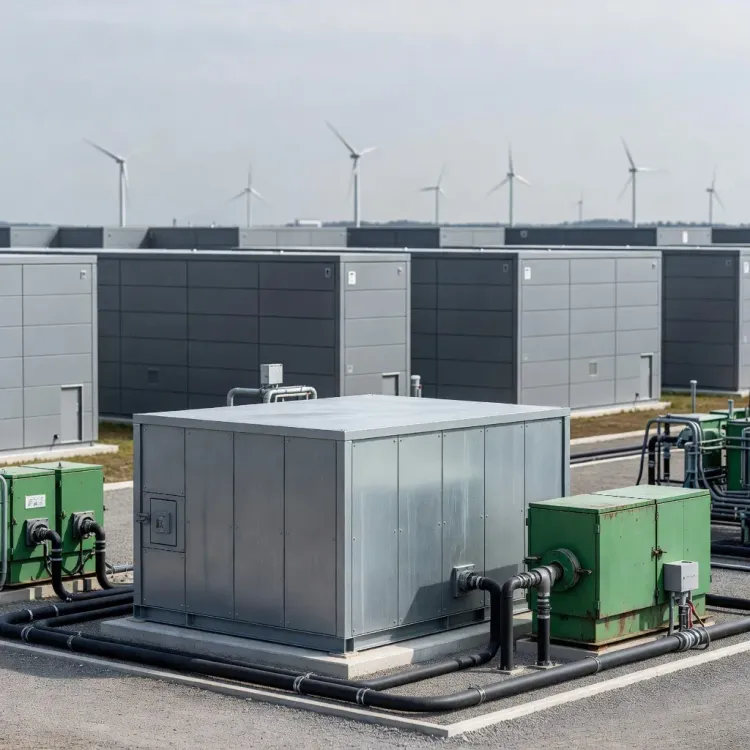
The hub delivers 100 per cent green electricity and connects directly to renewable energy sources, bypassing conventional grid infrastructure.
The design reduces land requirements by more than 30 per cent and cuts overall costs by 20 per cent compared with traditional data centre energy facilities.
National-level computing facilities in China are set to adopt the technology in the second half of 2026 .
China simultaneously launched a nationwide four-tier smart factory classification system as part of the same industrial upgrade drive.
The initiative is part of Beijing 's coordinated policy to match computing capacity expansion with renewable energy development amid rising AI -driven power demand.
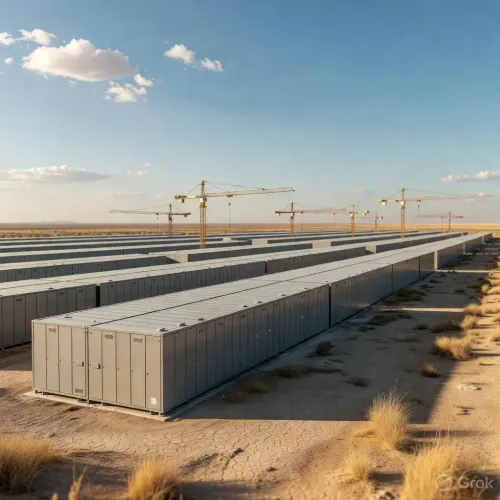
Qingdao-based electrical equipment company TGOOD unveiled the world's first prefabricated energy hub designed specifically for computing facilities on Saturday, 7 June 2026, in Qingdao, Shandong province. The modular power unit delivers 100 per cent green electricity to data centres and is set to be adopted by national-level computing facilities in the second half of 2026. The launch signals a deliberate push by Beijing to align renewable energy supply with surging AI-driven power demand.
What the prefabricated energy hub does
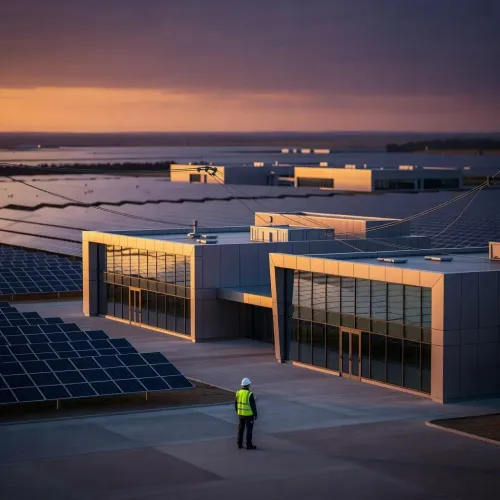
Acting as the power core — or 'heart' — of a computing centre, the new hub connects directly to green electricity sources, bypassing conventional energy infrastructure. According to China Central Television (CCTV), the system enables power supply and computing workloads to operate in sync under a unified smart management platform, which could drive down the cost of computing power over time. The hub is already being connected to enterprise-built data centres.
Key efficiency gains
Compared with earlier energy facilities serving data centres, TGOOD's prefabricated hub reduces the required land footprint by more than 30 per cent and cuts overall project costs by 20 per cent, according to state broadcaster CCTV. The modular, plug-and-play design also shortens deployment timelines, a critical factor as China races to expand computing capacity ahead of growing artificial intelligence workloads.
Why it matters: AI pressure on China's power grid
The rollout comes as rising electricity consumption from AI infrastructure places mounting strain on China's national grid. Beijing has been coordinating policies to ensure computing capacity expansion is matched by renewable energy development, rather than fossil-fuel generation. A purpose-built green power module that can be factory-assembled and rapidly deployed directly addresses that bottleneck.
Smart factory tier system launched in parallel
Separately, China also established a nationwide four-tier smart factory classification system, part of the same broader industrial upgrade drive. The Ministry of Industry and Information Technology has been central to both initiatives, reflecting an integrated policy vision that links digital manufacturing with intelligent energy infrastructure. Companies including Hikvision, BOE, and Baosteel operate within the industrial ecosystem these standards are designed to govern.
What's next
With national-level computing facilities scheduled to adopt the new energy hub in the second half of 2026, the immediate question is how quickly the model can be replicated across China's major data centre clusters in cities such as Shanghai, Hangzhou, Wuhan, and Beijing. If the cost and land savings prove out at scale, the prefabricated green hub model could reshape how data centre power infrastructure is procured globally — and position TGOOD as a key supplier in the AI infrastructure buildout.
Point of View
State-endorsed hardware rather than leaving it to market forces. By fast-tracking adoption at national-level computing facilities, China is effectively setting a procurement template that domestic data centre operators will find difficult to ignore. What mainstream coverage underplays is the dual function: the hub is simultaneously a green-energy compliance tool and a cost-reduction lever, which means it addresses both the regulatory and commercial pressures facing Chinese cloud and AI operators at once. If the model scales, it could give Chinese hyperscalers a structural cost advantage in AI infrastructure that rivals in the US and Europe — still reliant on conventional, slower-to-deploy power builds — will struggle to match quickly.
NationPress
21 Oct 2026
Frequently Asked Questions
What is TGOOD's prefabricated energy hub for data centres?
It is the world's first modular, factory-assembled power unit designed specifically to supply green electricity to computing centres. Unveiled in Qingdao on 7 June 2026, it connects directly to renewable energy sources and enables power and computing workloads to be managed in sync, according to CCTV.
How much does the TGOOD energy hub reduce costs and land use?
The hub cuts overall project costs by 20 per cent and reduces the required land footprint by more than 30 per cent compared with conventional data centre energy facilities, according to state broadcaster CCTV.
When will Chinese data centres start using the new energy hub?
National-level computing facilities in China are scheduled to adopt the prefabricated green energy hub in the second half of 2026. The hub is already being connected to enterprise-built data centres as of the June 2026 launch.
Why is China building green energy infrastructure for AI data centres?
Rising electricity demand from artificial intelligence workloads is placing significant pressure on China's national power grid. Beijing has been coordinating policies to ensure that the rapid expansion of computing capacity is backed by renewable energy rather than additional fossil-fuel generation.
What is China's new four-tier smart factory system?
China launched a nationwide four-tier smart factory classification system alongside the energy hub announcement, part of a broader industrial upgrade drive overseen by the Ministry of Industry and Information Technology. The tiered system is designed to standardise and accelerate the adoption of intelligent manufacturing practices across Chinese industry.