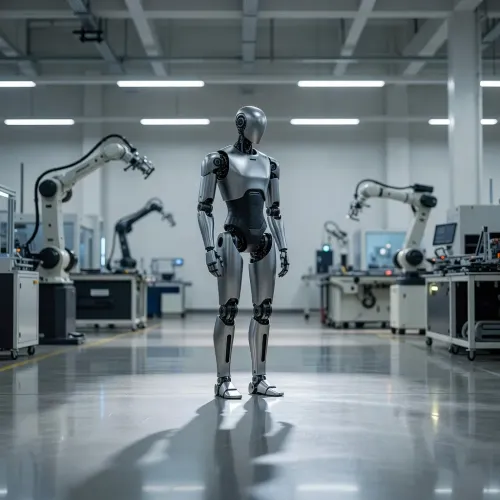
UBTech U1 humanoid robot with silicone skin targets Chinese homes

Synopsis
UBTech Robotics has unveiled the U1, a lifelike silicone-skinned humanoid companion robot priced from US$17,650, making it the first major push by a publicly listed humanoid robot maker into Chinese living rooms rather than factory floors.
Key Takeaways
UBTech Robotics , the world's first publicly traded humanoid robot maker, launched the U1 companion robot in Shenzhen on 1 July 2026 .
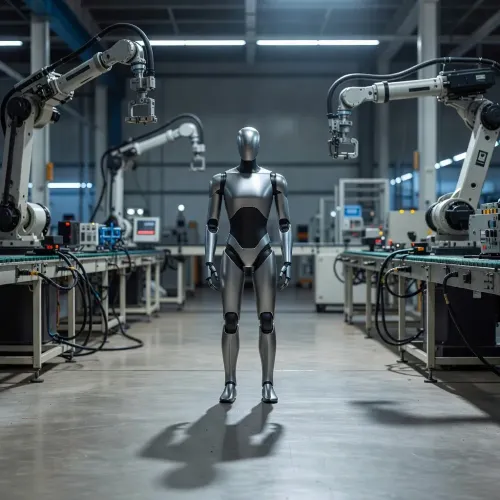
The U1 stands 183 cm (male) and 168 cm (female), with 88 servo joints and a lifelike silicone exterior.
Pricing ranges from 119,800 yuan (US$17,650) for the Lite variant to 990,000 yuan for the Ultra model.
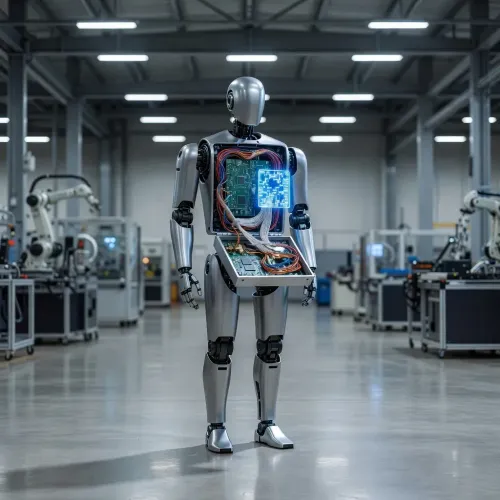
Emotional AI runs locally on a Rockchip RK3588 chip; all user data is stored on-device, not in the cloud.
The robot is sold exclusively to adults and is designed for domestic companionship rather than industrial tasks.
Competitors in the humanoid space include Unitree Robotics , AgiBot , Tesla Optimus , and Figure AI .
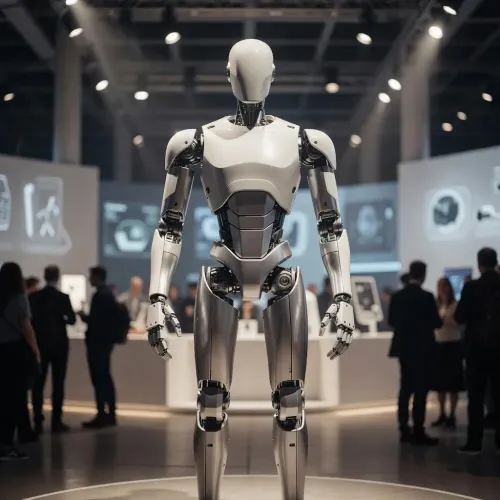
UBTech Robotics, the world's first publicly traded humanoid robot manufacturer, launched its consumer-facing humanoid robot, the U1, on Tuesday, 1 July 2026, in Shenzhen — marking a significant pivot from industrial automation toward domestic companionship as Chinese tech firms race to bring humanoid robots into everyday living spaces.
What the U1 offers
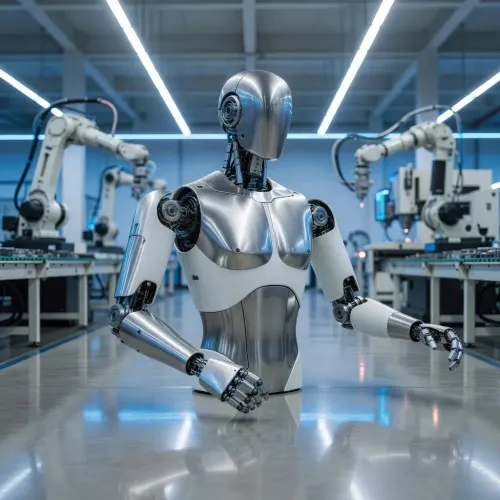
The U1 comes in male and female versions, standing 183 cm and 168 cm tall respectively, and features 88 servo joints alongside a lifelike silicone exterior designed to mimic human appearance and movement. It runs an emotional AI model locally on Rockchip's RK3588 processor, with all user data stored on-device rather than transmitted to the cloud — a deliberate privacy-first design choice.
The robot can hold conversations and maintain eye contact with users, according to staff at the launch event. It is available for sale to adults only.
Pricing and variants
The U1 is offered in three tiers — Lite, Pro, and Ultra — priced from 119,800 yuan (approximately US$17,650) to 990,000 yuan. The wide pricing range positions the robot to serve both aspirational early adopters and premium buyers seeking a fully featured companion unit.
Why it matters
The launch signals a broader industry inflection point: while most humanoid robots to date — including those from rivals such as Unitree Robotics and AgiBot — have been optimised for warehouse and factory environments, UBTech is explicitly targeting the domestic market. This puts the company on a collision course not just with Chinese competitors but also with global players including Tesla's Optimus and Figure AI.
The on-device AI architecture also distinguishes the U1 from cloud-dependent systems, addressing growing consumer concerns around data privacy in intimate home environments.
The competitive backdrop
China's humanoid robotics sector has attracted intense investment and policy support, with firms ranging from start-ups to established players backed by JD.com competing to define the category. Analysts, including those at Morgan Stanley, have flagged the consumer humanoid segment as a potential multi-billion-dollar market by the end of the decade, contingent on cost reduction and social acceptance.
UBTech's status as the world's first publicly listed humanoid robot maker gives it a structural advantage in raising capital and signalling credibility to early consumers.
What's next
With the U1 now available for purchase, the critical variables to watch are consumer adoption rates in China, how quickly competitors respond with rival consumer-grade products, and whether on-device emotional AI can deliver the sustained engagement needed to justify price points that start at nearly US$17,650.
Point of View
UBTech sidesteps both Chinese data-sovereignty regulations and the latency limitations of cloud inference, a dual advantage competitors relying on centralised models cannot easily replicate. The price ceiling of 990,000 yuan also signals that UBTech is seeding a premium segment before cost curves compress — a page taken from early EV playbooks. Investors watching the humanoid capex cycle should note that a publicly listed pure-play now has a consumer revenue stream to point to, which changes the valuation narrative considerably.
NationPress
1 Jul 2026
Frequently Asked Questions
What is the UBTech U1 robot and what does it do?
The UBTech U1 is a consumer humanoid robot designed for personal companionship in domestic settings. It features lifelike silicone skin, 88 servo joints , and an emotional AI model that enables it to hold conversations and maintain eye contact with users.
How much does the UBTech U1 humanoid robot cost?
The U1 is available in three variants — Lite, Pro, and Ultra — priced from 119,800 yuan (approximately US$17,650) to 990,000 yuan . The wide range reflects different capability tiers targeting both entry-level and premium buyers.
Where was the UBTech U1 launched and when?
The U1 was unveiled on Tuesday, 1 July 2026 , at a launch event in Shenzhen, China . UBTech Robotics is the world's first publicly traded humanoid robot manufacturer.
How does the UBTech U1 handle user data and privacy?
The U1 processes its emotional AI model locally on a Rockchip RK3588 processor, and all user data is stored on the device rather than uploaded to the cloud. This on-device approach is designed to address privacy concerns in intimate home environments.
Who are UBTech's main competitors in the humanoid robot market?
UBTech competes with Chinese rivals including Unitree Robotics and AgiBot , as well as global players such as Tesla 's Optimus and Figure AI . Most competitors have focused on industrial and warehouse applications, making UBTech's consumer-home pivot a notable differentiator.