Vietnam pitches semiconductors, AI to US investors in tech-led growth push

Synopsis
Vietnam is no longer just pitching cheap labour — it is pitching chips, AI, and net-zero. Ambassador Nguyen Quoc Dzung's call for a 'higher value added' US partnership, backed by 8.18% GDP growth in H1 2026 and a target of 30% digital economy share by 2030, signals that Hanoi is positioning itself as the next serious node in America's China-alternative supply chain strategy.
Key Takeaways
Vietnam's Ambassador Nguyen Quoc Dzung called for a shift from a buyer-seller dynamic to a higher-value US-Vietnam partnership focused on semiconductors, AI, and clean energy.
Vietnam targets a digital economy worth 30% of GDP by 2030 , with data centres, AI, and advanced digital services as priority sectors.
GDP grew 8.18% in the first half of 2026 ; industry and construction expanded 9.8% .
Renewables are projected to supply 26–28% of energy capacity by 2030 and 60–65% by 2050 , under a net-zero-by-2050 commitment.
Vietnam is targeting 45–50% localisation rates in key industries and 10,000 domestic companies in foreign-investment supply chains by 2030 .
Five new free-trade zones are planned across major economic centres to attract logistics and supply-chain investment.
Vietnam is actively courting United States investors for a higher-value economic partnership, shifting its pitch beyond labour-intensive manufacturing toward semiconductors, artificial intelligence, clean energy, and advanced industries, the country's Ambassador to Washington, Nguyen Quoc Dzung, said in an exclusive interview.
A New Partnership Framework
Ambassador Dzung described the bilateral relationship as entering a new phase, one that moves decisively away from a transactional trade dynamic. 'The next step is to move from a simple buyer-seller relationship to a more balanced, higher value added and more resilient partnership,' he said.
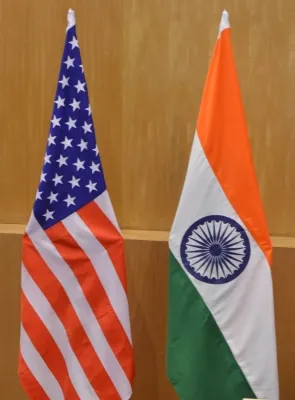
The two countries established diplomatic ties in 1995 and elevated their relationship to a comprehensive strategic partnership in September 2023. That framework identified innovation, semiconductor supply chains, education, clean energy, and the digital economy as priority areas for deeper bilateral cooperation — a foundation Dzung said Vietnam now intends to build upon aggressively.
Priority Sectors for US Investment
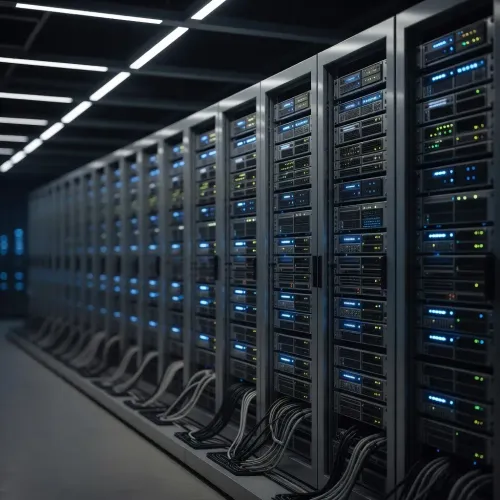
Dzung identified semiconductors, AI, data centres, advanced digital services, and workforce training as the strongest near-term opportunities for US companies. These sectors are central to Vietnam's ambition of expanding its digital economy to 30 per cent of GDP by 2030.
Energy and infrastructure represent another significant opening. Vietnam requires substantially greater energy capacity to sustain high economic growth while pursuing net-zero emissions by 2050. US companies, Dzung said, could contribute capital, technology, and expertise across renewable energy, Liquefied Natural Gas (LNG), power grids, storage systems, and modern infrastructure. Under Vietnam's revised power development plan, renewables are expected to account for 26 to 28 per cent of generation capacity by 2030 and 60 to 65 per cent by 2050.
Agriculture, healthcare, education, financial services, logistics, and workforce development were also cited as sectors offering meaningful partnership potential.
Manufacturing Upgrade, Not Retreat
Vietnam is not abandoning its manufacturing base — it is upgrading it. Dzung was emphatic that the country intends to preserve its position as a competitive manufacturing hub while transitioning from labour-intensive production to advanced manufacturing, where technology and innovation drive productivity and domestic value addition.
'I do not see manufacturing and innovation as competing priorities,' he said. 'Manufacturing provides the foundations and innovation allows Vietnam to capture more value from that foundation.'
Vietnam's revised foreign investment strategy places greater emphasis on technology transfer, research and development, and stronger linkages between foreign-invested companies and domestic enterprises. By 2030, the country is targeting localisation rates of 45 to 50 per cent in key industries, with approximately 10,000 Vietnamese companies participating in foreign-investment value and supply chains.
Economic Momentum and the Green Transition
Vietnam's economic performance in the first half of 2026 was broad-based and robust. GDP grew by 8.18 per cent in that period, with industry and construction expanding by 9.8 per cent, services by 8.1 per cent, and agriculture, forestry, and fisheries by 3.9 per cent.
Dzung said consumption and investment had strengthened, and growth was increasingly underpinned by technology, digital transformation, institutional reform, and stronger regional linkages. Vietnam's next phase, he noted, would depend more on productivity and quality of growth than on simply expanding production capacity.
The country is also planning five free-trade zones in major economic centres, creating new opportunities in logistics, trade, and supply-chain services. Agribusiness, biotechnology, pharmaceuticals, and vocational training are expected to grow in importance as Vietnam develops a workforce suited to high-value industries.
The Broader Strategic Signal
'The next chapter is not simply about bringing more capital into Vietnam,' Dzung said. 'It is about bringing in advanced technologies, supply chains, innovation, and long-term value.'
This comes amid a global reconfiguration of semiconductor and technology supply chains, with US companies and policymakers actively seeking alternatives to China-centric production networks. Vietnam's positioning — combining competitive manufacturing costs with an increasingly skilled workforce and a supportive regulatory posture — places it squarely in that strategic conversation. How quickly US investment follows the rhetoric will be the defining test of this next chapter.
Point of View
But the harder metric is whether US semiconductor and AI firms will actually transfer technology, or simply use Vietnam as another low-cost assembly node dressed in high-tech language. The 45–50% localisation target by 2030 is ambitious; Vietnam's current localisation in electronics lags that mark considerably. The real signal to watch is not the ambassador's interview but the investment commitments that follow — or don't.
NationPress
4 Sept 2026
Frequently Asked Questions
What sectors is Vietnam targeting for US investment?
Vietnam is prioritising semiconductors, artificial intelligence, data centres, advanced digital services, renewable energy, and workforce training for US investment. These sectors are central to its goal of expanding the digital economy to 30% of GDP by 2030.
How fast is Vietnam's economy growing?
Vietnam's GDP grew by 8.18% in the first half of 2026. Industry and construction expanded 9.8%, services grew 8.1%, and agriculture, forestry, and fisheries rose 3.9% in the same period.
What is Vietnam's clean energy target?
Under its revised power development plan, Vietnam aims for renewables to account for 26–28% of generation capacity by 2030 and 60–65% by 2050, alongside a broader net-zero emissions commitment by 2050.
When did the US and Vietnam establish their comprehensive strategic partnership?
The US and Vietnam elevated their relationship to a comprehensive strategic partnership in September 2023, having first established diplomatic relations in 1995. The framework covers innovation, semiconductor supply chains, education, clean energy, and the digital economy.
What is Vietnam's localisation target for key industries?
Vietnam is targeting localisation rates of 45 to 50% in key industries by 2030, with around 10,000 Vietnamese companies participating in foreign-investment value and supply chains by that year.