Sheetal Devi backs Khelo India Scheme to transform para sport in India

Synopsis
World champion para-archer Sheetal Devi — who went from an undiscovered child in Kishtwar to a Paralympic medallist — is now the most compelling voice for the Centre's revamped Khelo India Scheme. Her argument is simple and hard to dismiss: India has thousands of children with disabilities who never get found. A ₹29,054 crore, five-year scheme built around early identification and local academies could change that — if states actually show up.
Key Takeaways
Sheetal Devi , 18 , world champion para-compound archer and Paralympic medallist, has publicly endorsed the revamped Khelo India Scheme (KIS) .
The scheme carries a ₹29,054 crore outlay over five years , covering talent identification, coach development, infrastructure, and high-performance training.
Key new features include an expanded Para Khelo India Athletes pool and a new Emerging Khelo India Athletes category for early-stage support.
Sheetal stressed that para-sport academies must be built close to athletes' homes, citing accessibility as a critical barrier for children with disabilities.
She warned that Centre-state cooperation is essential — without active state participation, the scheme risks remaining a policy document rather than a ground-level reality.
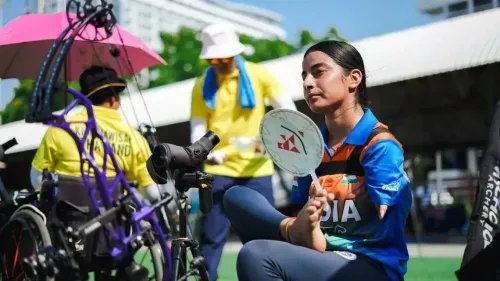
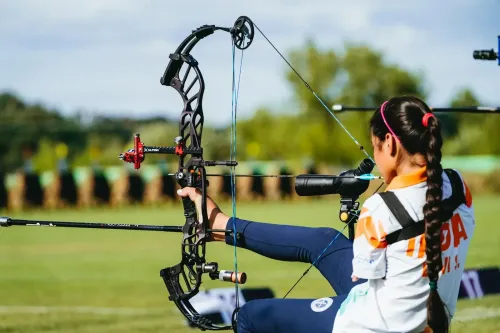
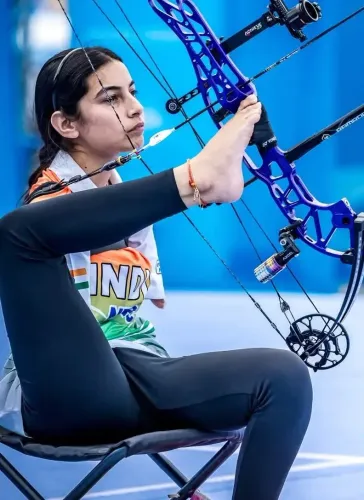
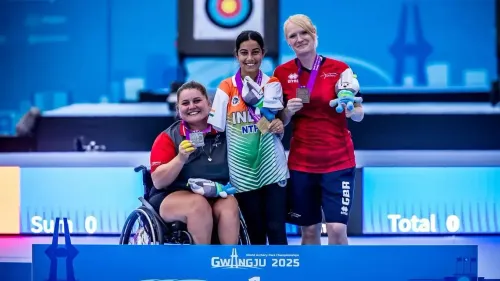
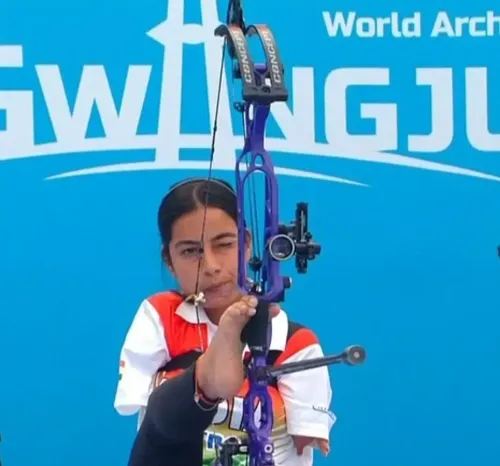
Paralympic medallist and world champion para-compound archer Sheetal Devi has thrown her weight behind the revamped Khelo India Scheme (KIS), saying the ₹29,054 crore five-year programme has the potential to fundamentally reshape para sport in India — provided states commit to active implementation.
Why Sheetal Devi Believes This Scheme Is Different
Speaking from the vantage point of her own journey — from a remote village in Kishtwar, Jammu and Kashmir, to the world championship podium — the 18-year-old archer argued that the single biggest barrier for aspiring para-athletes is not talent but opportunity. 'The love and recognition I receive today as a Paralympic champion took years of work. I was an undiscovered child in Kishtwar. However, over the years, with access to good coaching and support, I became the Sheetal Devi that the world knows,' she said.
She was candid about the role of chance in her own rise. 'While my story is one of success, an equally capable child in a remote village might not even know that para sports exist. The difference between us usually comes down to opportunity. I am thankful that I had that.'
What the Revamped Scheme Covers
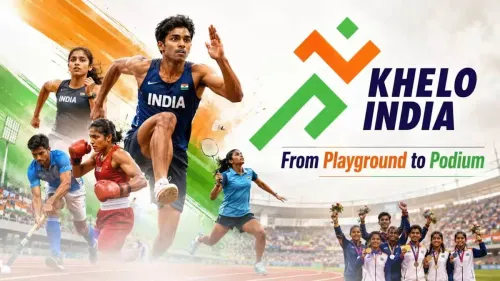
The updated Khelo India Scheme, envisioned under Prime Minister Narendra Modi, carries a ₹29,054 crore outlay over five years. Its nine core pillars include talent identification, coach and support-staff development, infrastructure upgrades, and high-performance training environments. Sheetal specifically highlighted the scheme's provisions for para-sport-specific academies and accredited training centres located closer to athletes' homes.
'Not every child can travel hundreds of kilometres to find a coach or training centre. Many talented kids stay in villages because the facilities simply aren't close by. If quality para-sport academies and trained coaches were available nearer to where children live, families would feel more confident about encouraging them to take up sports,' she said.
Early Identification and the Para Khelo India Athletes Pool
A feature Sheetal described as particularly significant is the scheme's plan to expand the Para Khelo India Athletes pool and introduce a new category of Emerging Khelo India Athletes — designed to bring promising youngsters into the support system at an earlier stage of development.
'For para-athletes, early identification is especially vital. Many children with disabilities start sports later not because they lack talent, but because they lack awareness, coaching, or opportunity. If we can identify them early and provide ongoing support, we can change their sporting journeys before they start to doubt themselves,' she said.
The Role of Competition and the Khelo India Para Games
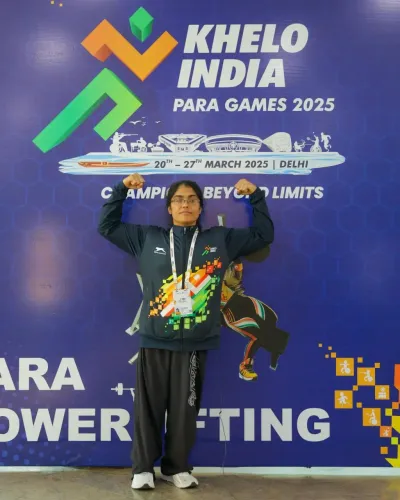
Having competed in the archery events at the Khelo India Para Games herself, Sheetal underscored the irreplaceable value of competitive exposure. 'Every competition teaches lessons that training alone can't offer. The expansion of Khelo India Para Games means more young athletes will get a chance to build confidence and improve their performance,' she noted.
She credited the Sports Authority of India and government support for giving her the preparation she needed to compete at the highest level. 'I received help from coaches, the Sports Authority of India, the Government, and more. I never felt anything important was missing from my preparation. That support gave me the confidence to dream bigger and compete with the world's best. But my story shouldn't be the exception.'
The Measure of Real Success
Sheetal argued that the scheme's ultimate impact should be assessed not merely in medal tallies but in the confidence it instils among children with disabilities across the country. 'The greatest impact of the revamped KIS may not only be seen in the number of medals India wins. It will be assessed by the number of children with disabilities who begin to believe they belong in sports,' she said.
The Centre's commitment to Centre-state cooperation, she added, will be the decisive variable — with states and Union territories required to translate policy into ground-level outcomes. Sheetal said she would consider the scheme a true success when children with disabilities from every district and village in India enter sport knowing a structured pathway exists for them.
Point of View
Not because of it. The ₹29,054 crore outlay is substantial, but the scheme's nine pillars have predecessors that struggled at the last mile: coach availability in Tier-3 districts, state budget alignment, and the specific needs of para-athletes who require adapted equipment and specialised training. The introduction of an 'Emerging' athlete category is a meaningful design improvement, but India has a history of well-framed sports policies that stall at the Centre-state handoff. The real test will be whether district-level para-sport academies materialise within the five-year window — or whether the next Paralympic champion has to find her own way to a coach, just as Sheetal did.
NationPress
7 Aug 2026
Frequently Asked Questions
What is the revamped Khelo India Scheme and how much has been allocated?
The revamped Khelo India Scheme (KIS) is a five-year government programme with a ₹29,054 crore outlay aimed at developing sport across India. It covers nine pillars including talent identification, coach development, infrastructure upgrades, and high-performance training, with a specific focus on para sport.
Why is Sheetal Devi supporting the Khelo India Scheme?
Sheetal Devi, a Paralympic medallist and world champion para-compound archer from Kishtwar, Jammu and Kashmir, supports the scheme because it addresses the barriers she herself faced — lack of awareness, local coaching, and accessible facilities. She believes thousands of children with disabilities remain undiscovered due to these structural gaps.
What are the new Para Khelo India Athletes and Emerging Khelo India Athletes categories?
The revamped scheme expands the Para Khelo India Athletes pool and introduces a new Emerging Khelo India Athletes category to bring promising young para-athletes into the support system at an earlier stage of their development. Sheetal Devi described early identification as especially vital for children with disabilities, who often start sports later due to lack of awareness or coaching.
What role does Centre-state cooperation play in the scheme's success?
Sheetal Devi emphasised that states and Union territories must actively participate to translate the scheme's policy framework into real outcomes at the ground level. Without state-level implementation, she cautioned, the scheme's ambitions risk remaining on paper.
How does Sheetal Devi define success for the Khelo India Scheme?
She said the scheme's true success will not be measured solely in medals, but in the number of children with disabilities who begin to believe they belong in sport. She described this confidence — built through accessible academies, trained coaches, and early support — as the foundation of every medal-winning journey.