Is Bangladesh About to Criminalize Match-Fixing?
Click to start listening
Synopsis
Bangladesh is on the brink of becoming the latest nation to criminalize match-fixing, with the BCB's Integrity Unit actively collaborating with the government. This move follows the exclusion of nine players from the BPL auction due to allegations stemming from a previous scandal. Will this law change the landscape of sports integrity in the nation?
Key Takeaways
- BCB's Integrity Unit is working to criminalize match-fixing.
- A detailed report led to the exclusion of nine players from the BPL auction.
- Discussions with the government are set for after the February 2026 elections.
- A separate law for match-fixing may be established.
- Current measures against corruption are fragmented.
Mumbai, Dec 15 (NationPress) Bangladesh is on the verge of becoming the newest nation to classify match-fixing as a criminal offense. The Bangladesh Cricket Board (BCB) Integrity Unit is collaborating with the government to establish a legal framework to combat this issue, as reported on Monday.
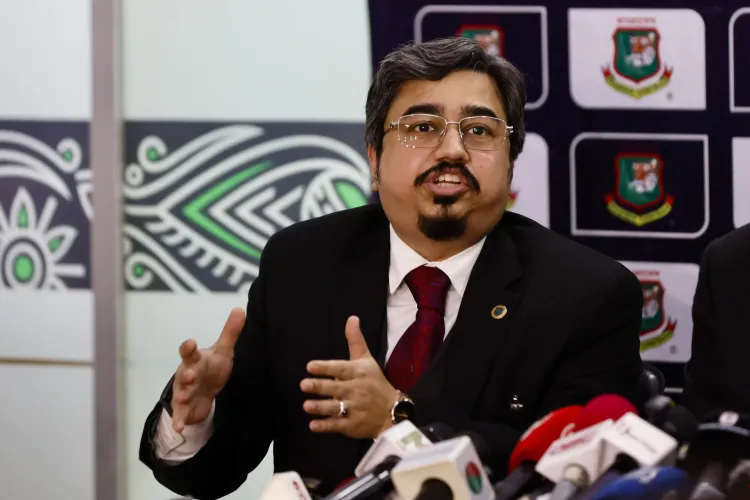
Mahin M. Rahman, the legal counsel for the BCB Integrity Unit, stated that efforts are underway to criminalize match-fixing after the governing council of the Bangladesh Premier League (BPL) barred nine cricketers from this year's auction. This decision was made based on a detailed 900-page report provided by a three-member investigation committee, according to the report.
The BPL Governing Council excluded nine players from the auction due to their flagged activities during the previous edition of the BPL, following a match-fixing scandal that had previously shaken the tournament.
In an exclusive conversation with Telecom Asia Sport (www.telecomasia.net), Mahin expressed their intention to engage with relevant authorities to establish a legal framework that would categorize match-fixing as a criminal act.
“Several countries, including Sri Lanka, have already made it a crime, specifically targeting cricket. We aim to develop a law that clearly defines the consequences for anyone involved in fixing or corrupt practices across all sports,” Mahin remarked to www.telecomasia.net.
“A specific law addressing these concerns will be created, separate from the current penal code, similar to the existing Gambling Act. This could be enacted through an ordinance or other legal means,” he elaborated.
“Such a law would provide a structured system. Currently, efforts are fragmented, with the Anti-Corruption Code on one hand and complaints being processed under the Gambling Act on the other, leading to confusion. We aim to consolidate everything under one comprehensive law,” he added.
Mahin noted that discussions with the government would commence after Bangladesh's next general election, scheduled for February 12, 2026.
“An ordinance could be issued, or if Parliament reconvenes in February, they might amend an existing law to include relevant clauses,” said Mahin, who leads the BCB legal team.
“We have long been advocating for the criminalization of gambling-related offenses. I have personally pursued this, as I have a public-interest writ pending. The court has directed the government to develop a comprehensive approach,” he concluded.
Point of View
I believe that the BCB's initiative to criminalize match-fixing is a necessary step towards safeguarding the integrity of sports in Bangladesh. It reflects a growing global recognition of the need for strict measures against corruption in sports. This move, if implemented effectively, could restore public trust and uphold the values of fair play.
NationPress
16/12/2025
Frequently Asked Questions
What is the Bangladesh Cricket Board proposing?
The BCB is proposing to make match-fixing a criminal offense to combat corruption in sports.
Why were nine players excluded from the BPL auction?
They were excluded due to findings from a 900-page report that flagged their activities during the last BPL edition.
When will discussions with the government take place?
Discussions are planned to commence after the general elections in February 2026.
How will this law affect sports in Bangladesh?
This law aims to create a structured approach to tackling match-fixing and ensuring sports integrity.
What are the current measures against match-fixing?
Currently, measures include the Anti-Corruption Code and the Gambling Act, but efforts are fragmented.