Sandpapergate bigger than Cronje scandal, says Geoffrey Boycott
Synopsis
Geoffrey Boycott has called Sandpapergate worse than the Hansie Cronje match-fixing scandal — and the reasoning cuts deep. With Usman Khawaja's memoir, David Warner's confirmation, and Cameron Bancroft's explosive article all pointing to whole-team complicity, the 2018 Cape Town affair is no longer a three-man story. It is a collective cover-up, and Boycott wants Steve Smith to pay a steeper price in history.
Key Takeaways
Sir Geoffrey Boycott declared the 2018 Cape Town ball-tampering scandal bigger than the Hansie Cronje match-fixing affair in his The Telegraph column.
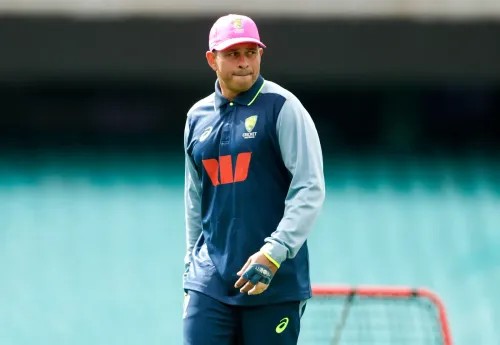
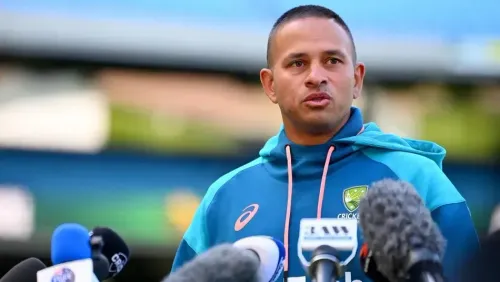
Usman Khawaja 's autobiography 'Sabr' claims the entire Australian squad knew of the sandpaper plan; David Warner has backed the account.
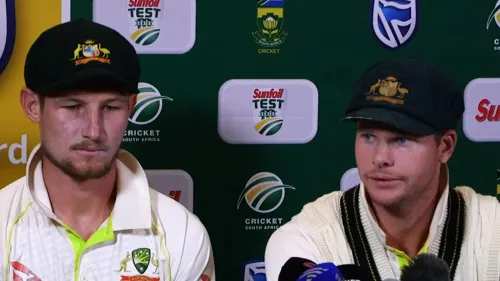
Cameron Bancroft — one of three players punished in 2018 — wrote a piece for The West Australian supporting Khawaja's version.
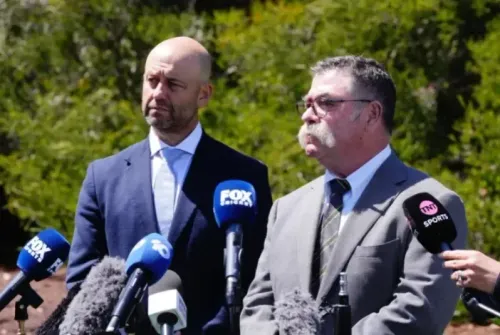
Test captain Pat Cummins faced reporters for 70 minutes , insisting he had no knowledge of the plot.
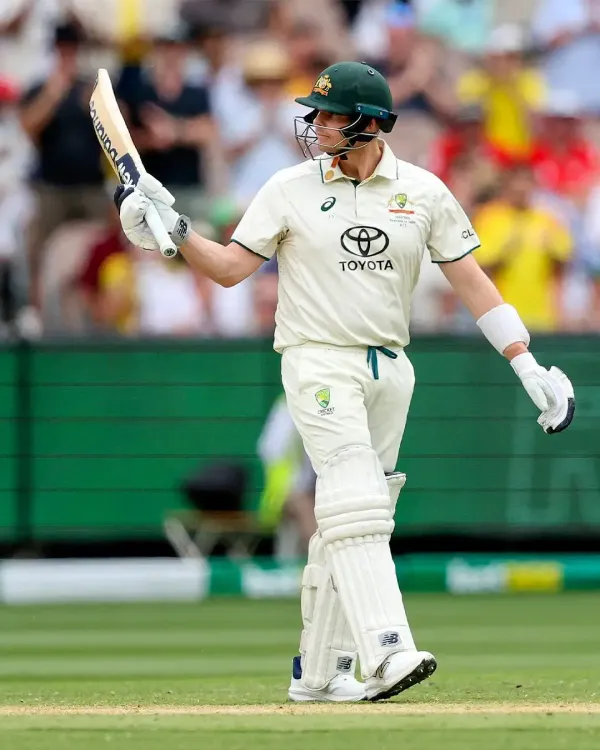
Boycott argues Steve Smith and Warner deserved five-year bans and that Smith abrogated his responsibility as captain.
Former England opener Sir Geoffrey Boycott has declared the 2018 Cape Town ball-tampering scandal — commonly known as Sandpapergate — the biggest crisis he has ever witnessed in cricket, asserting it surpasses even the Hansie Cronje match-fixing affair that devastated South African cricket more than 25 years ago. Boycott made the remarks in his column for The Telegraph, as the controversy resurfaces with fresh intensity following new revelations from current and former Australian players.
What Reignited the Controversy
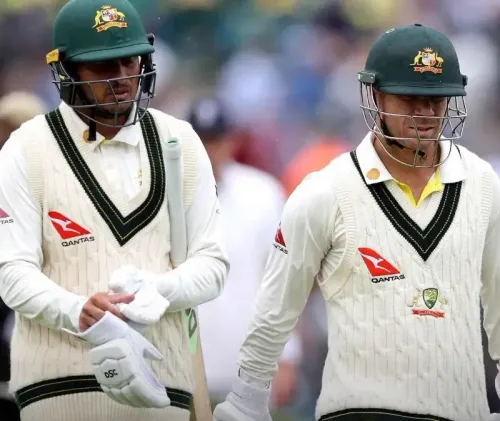
The scandal has re-entered the spotlight after Usman Khawaja's autobiography, 'Sabr', alleged that the entire Australian team was aware of the plan to use sandpaper on the ball during Australia's tour of South Africa eight years ago. Former opener David Warner subsequently backed Khawaja's account. Cameron Bancroft — one of the three players penalised at the time — further fuelled the debate by writing an explosive piece for The West Australian, also supporting Khawaja's version of events.
Test Captain Cummins Faces the Media
The controversy intensified after Test captain Pat Cummins faced reporters for a gruelling 70 minutes, maintaining that he had no knowledge of any plan to tamper with the ball. His defence has drawn scrutiny, particularly given the accounts now emerging from multiple players who were part of that touring squad.
Boycott: Bigger Than Cronje
Boycott drew a sharp distinction between the Cronje episode and Sandpapergate. 'The sandpaper scandal is even bigger than Hansie Cronje's match-fixing, which ripped apart South Africa cricket more than 25 years ago. This is bigger than anything I have read or seen in cricket: a whole team cheating. Cronje's crimes mainly involved him recruiting a couple of junior players — Herschelle Gibbs and Henry Williams — into his scheme,' he wrote.
'The rest of the squad and coaches had no idea. But sandpaper involved the whole Australian team. The squad and coaches were all up to their necks in it, plotting and planning to cheat en masse, and the cover-up let three players take the blame. It is mind-blowing and unbelievable how they all went along with it. That is how huge it is,' Boycott added.
Boycott's Verdict on Steve Smith
Boycott was equally unsparing about former captain Steve Smith, insisting that Smith and Warner were let off lightly with their original bans and should have received five-year suspensions. 'What they did was so serious. It wasn't a spur-of-the-moment incident, it was carefully planned in two Tests in the hope of cheating to win and trying to get away with it by letting the junior player in the team do the dirty work because nobody would be watching him,' he wrote.
Boycott was particularly scathing about Smith's claim that he distanced himself from the plot. 'As captain, Smith should have put a stop to it as soon as Warner raised the idea of using sandpaper. For him to say he did not want to know about it, yet let it go ahead and accept the unfair benefits of cheating and think that somehow it absolved him as not being part of it is staggering. History should not be kind to Smith. He abrogated his responsibility as a captain,' wrote Boycott.
What Happens Next
The renewed scrutiny raises questions about whether Cricket Australia will revisit the official findings from 2018, when only Bancroft, Warner, and Smith faced formal sanctions. With multiple first-hand accounts now contradicting the original narrative of limited involvement, pressure is mounting on cricket's administrators to respond. How governing bodies react to these revelations could shape the legacies of an entire generation of Australian cricketers.
Point of View
Premeditated institutional failure — and that reframing is now being corroborated from inside the squad itself. The original Cricket Australia investigation was always criticised for its narrow scope; with Khawaja, Warner, and Bancroft all pointing toward collective knowledge, revisiting that scope is no longer a fringe demand. The more uncomfortable question is whether cricket's governing structures have the appetite to hold an entire national team to account, or whether the sport will once again protect the institution over the individual. Smith's legacy, carefully rebuilt through runs and redemption narratives, is now on shakier ground than at any point since 2018.
NationPress
22 Nov 2026
Frequently Asked Questions
What is the Sandpapergate scandal?
Sandpapergate refers to the 2018 ball-tampering incident during Australia's Test match against South Africa in Cape Town, in which Cameron Bancroft was caught using sandpaper to illegally alter the condition of the ball. Steve Smith and David Warner were also penalised, with Smith and Warner receiving 12-month bans. Fresh revelations from Usman Khawaja's autobiography and others now suggest the entire squad was aware of the plan.
Why does Geoffrey Boycott say Sandpapergate is bigger than the Hansie Cronje scandal?
Boycott argues that while Cronje's match-fixing involved only a small number of players — primarily Herschelle Gibbs and Henry Williams — the Cape Town ball-tampering plot allegedly involved the entire Australian squad and coaching staff. He describes it as cheating en masse, with three players unfairly left to take sole blame for a collective decision.
What has Usman Khawaja said about the 2018 ball-tampering incident?
Khawaja's autobiography 'Sabr' claims the whole Australian team knew about the plan to use sandpaper on the ball during the Cape Town Test. His account has been backed by David Warner and by Cameron Bancroft, who wrote about it in an article for The West Australian.
What is Pat Cummins's position on the ball-tampering allegations?
Australian Test captain Pat Cummins faced the media for 70 minutes and maintained he had no knowledge of the plan to tamper with the ball. His stance has drawn scrutiny given the number of former teammates now contradicting the narrative of limited squad-wide awareness.
What punishment does Boycott believe Steve Smith should have received?
Boycott has stated that Steve Smith and David Warner got off lightly with their original bans and should have been suspended for five years. He argues Smith, as captain, had a duty to shut down the idea as soon as it was raised and that distancing himself from the plan did not absolve him of responsibility.