FIFA WC 2026: Robin Singh says India can learn from Cape Verde to reach World Cup
Synopsis
Former India striker Robin Singh isn't just dreaming about the World Cup — he's mapping a route. Pointing to Cape Verde's rise and Japan's decades-long football vision, Singh argues India's real problem isn't ambition; it's the absence of a sustained, culture-deep development plan. The size of a nation, he says, is no longer an excuse.
Key Takeaways
Former India striker Robin Singh says India can reach the FIFA World Cup by learning from Cape Verde and Japan's long-term football model.
Singh argues India must first establish itself among Asia's elite before targeting World Cup qualification.
Japan's Mission 100 — later revised to Mission 50 — is cited as the blueprint, including cultural investments like football-themed anime to build grassroots passion.
Singh warns against cyclical, short-term ambition: sustained investment in coaching , facilities , and grassroots football is essential.
Singh is a member of the Zee5 FIFA World Cup 2026 expert panel.
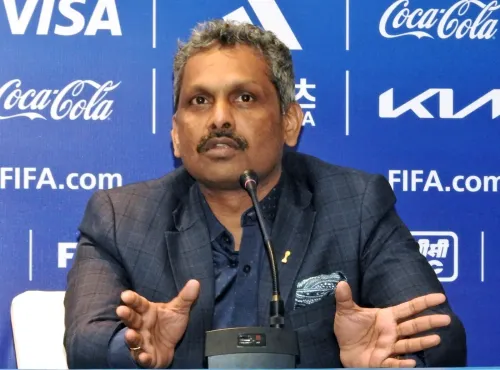
Former India striker Robin Singh believes India's long-standing FIFA World Cup dream is achievable, provided the country draws the right lessons from emerging football nations like Cape Verde and adopts a long-term development model similar to Japan's. Singh made the remarks in an interview on 10 July, where he argued that smaller nations proving themselves on the global stage should serve as a blueprint for Indian football.
The Cape Verde Lesson
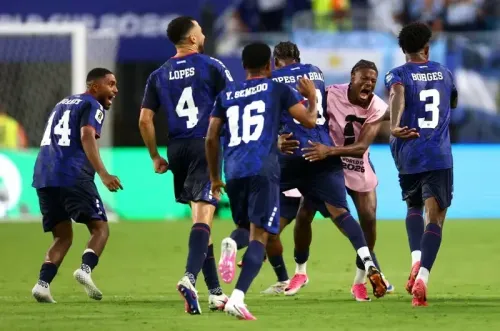
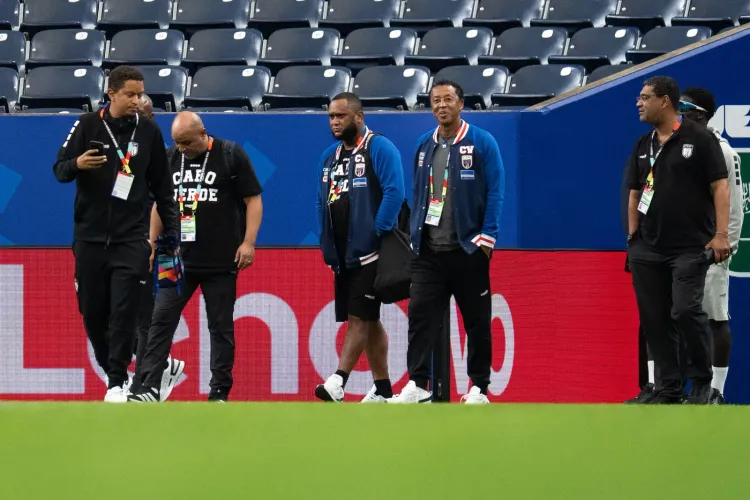
Robin Singh pointed to Cape Verde's performances at the FIFA World Cup 2026 as evidence that belief and sustained planning can close the gap with traditional football powerhouses. 'I think the gap between the so-called big boys of the tournament and the rest is closing. When you look at the Asian teams, the organisation and work ethic they've shown, and then you look at the stories that Cape Verde have created, it tells you that if you believe in it, it's not impossible. That's a leaf that India can also take out of their book. If you want to chase a dream and have the right people, we can chase it,' Singh said.
Conquer Asia First, World Cup Second
While acknowledging India's World Cup ambitions, Singh was emphatic that the immediate priority must be establishing India among Asia's elite football nations. 'Every time we speak about India playing at the World Cup, I always say conquering Asia is far more important. Japan showed us that the gap is closing,' he said. This perspective reflects a broader frustration among Indian football observers — that the country periodically chases qualification headlines without building the structural foundation needed to compete consistently at the continental level.
Japan's Model: Vision Beyond Qualification
Singh highlighted Japan's decades-long football vision as the most instructive model for India. He noted that Japan's approach went far beyond preparing teams for individual campaigns. 'Japan had a Mission 100 World Cup, which later became Mission 50 because they were progressing so brilliantly. It wasn't just about playing at the World Cup. They even created an anime to inspire young people to fall in love with football. That's the kind of atmosphere a country needs to create,' he explained. The reference to Japan's cultural investment — using popular media to build grassroots passion — underlines that football development is as much a societal project as a sporting one.
Infrastructure, Coaching, and Grassroots Investment
Singh stressed that world-class players cannot be produced through short-burst preparation cycles. 'It is not going to be that you wake up every three years and say, I want to play the World Cup tomorrow. It doesn't happen like that. It may not be this team or the next one, but you have to create players and build infrastructure for the future,' he said. He further noted that sustained investment in coaching, facilities, and grassroots football matters far more than spotlight moments. 'Football is about much more than what happens under the floodlights. It's the work that goes on beyond that which is more important. Japan is the prime example,' Singh added.
India's Path Forward
Wrapping up his assessment, Singh reiterated that India's World Cup aspirations must be anchored in a clear, long-term national vision. 'When you look at Cape Verde, it shows that the size of a nation is not important. The gap is closing. Either you're moving with that gap, or you're left behind. If India wants to play at the World Cup, it has to have that aim, that vision, and keep working towards it,' he said. Singh is currently part of the Zee5 FIFA World Cup 2026 expert panel. His remarks carry weight given his experience as a former India international who witnessed firsthand the structural gaps in Indian football development.
Point of View
But the timing makes it pointed. India has cycled through football federations, foreign coaches, and qualification near-misses without ever committing to a Japan-style generational plan. The Cape Verde comparison is instructive precisely because it removes the 'small nation' alibi — Cape Verde's population is under 600,000. What India lacks is not talent density or resources; it is institutional continuity and a football culture that reaches beyond urban academies. Until the All India Football Federation treats a 20-year roadmap as seriously as the next World Cup qualifier cycle, Singh's advice will remain an annual talking point rather than a policy reality.
NationPress
10 Jul 2026
Frequently Asked Questions
What did Robin Singh say about India's FIFA World Cup chances?
Robin Singh said India's World Cup dream is achievable if the country draws inspiration from Cape Verde's rise and follows Japan's long-term player development model. He stressed that belief, sustained planning, and grassroots investment are the key ingredients.
Why does Robin Singh cite Cape Verde as a model for India?
Cape Verde's performances at the FIFA World Cup 2026 demonstrate that a small nation can compete at the highest level through belief and sustained planning. Singh argues this dismantles the idea that India's size or resources are a barrier to World Cup qualification.
What is Japan's football model that Robin Singh recommends India follow?
Japan's model, known as Mission 100 (later revised to Mission 50 as progress accelerated), involved decades of investment in youth development, coaching infrastructure, and cultural engagement — including creating a football anime to inspire young fans. Singh says India needs a similarly long-term, culture-deep approach.
What does Robin Singh say India should prioritise before the World Cup?
Singh says India must first conquer Asia before targeting the World Cup. He believes establishing India among Asia's elite football nations is a more realistic and structurally sound immediate goal.
Who is Robin Singh and what is his current role?
Robin Singh is a former India international striker and one of the country's most recognised football figures. He is currently serving as a member of the Zee5 FIFA World Cup 2026 expert panel.