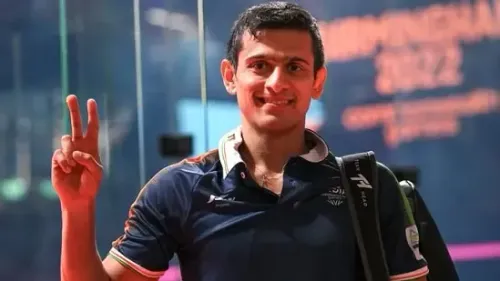
Saurav Ghosal Advocates for Squash's Olympic Future and Global Reach
Synopsis
Saurav Ghosal calls for enhanced global visibility for squash as it prepares for its Olympic debut in 2028. He emphasizes the need for increased participation, innovative engagement strategies, and learning from successful models to secure a sustainable future for the sport.
Key Takeaways
Saurav Ghosal emphasizes the need for more participation in squash.
Squash's Olympic inclusion in 2028 is a pivotal moment for the sport.
Innovative engagement strategies are essential for growth.
Learning from successful countries like Egypt is crucial.
Technology can enhance both engagement and skill development.
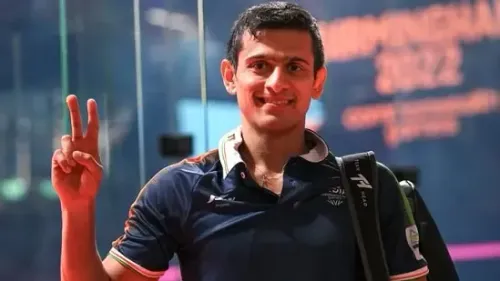
New Delhi, March 21 (NationPress) Former India No. 1 Saurav Ghosal referred to squash players as some of the top athletes globally, emphasizing that they have finally been given the prestigious platform they deserve to display their talents—the Olympics.
He highlighted the pressing necessity for squash to broaden its international reach and adjust to contemporary consumption habits, stating that the sport is now vying for attention not only against other sports but against everything as it gears up for its Olympic debut.
As squash prepares to be included in the 2028 Summer Olympics, Ghosal remarked that the sport must demonstrate its significance by greatly enhancing participation and viewer engagement worldwide.
“Achieving entry into LA 28 is a significant milestone for us. It has been a long journey toward Olympic inclusion. There is no question that the leading squash players in the world are among the finest athletes and deserve the greatest platform in sports, which is the Olympics, to showcase their talents,” he stated.
However, he cautioned that simply being included in the Olympics is insufficient to secure squash's long-term presence at the Games.
“Overall, we need to focus on increasing participation rates globally. While the current figures are decent, they must grow significantly if we want to be a regular feature at major events and discussions,” he added.
Ghosal outlined essential steps for achieving this growth, including improved visibility and grassroots integration.
“The first step is to get squash on television. Viewer engagement is crucial. We should leverage countries that excel in the sport and significantly enhance its popularity there. Additionally, we need to introduce squash in schools as much as possible and develop engaging formats like what we are attempting with World Premier Squash to attract more participants and provide entertainment,” he explained.
Addressing the evolving dynamics of audience engagement, Ghosal noted that squash must reevaluate how it competes for attention in the modern world.
“We must understand that our competition for attention is not limited to other sports; we are competing against everything—from sitcoms to social media content and video games,” he remarked.
“Thus, we need to accept this reality, embrace it, and find innovative ways to connect with a wider audience. The larger our base, the more likely the International Olympic Committee will consider squash a key player in the Olympics,” he added.
Comparing the situation to powerhouse Egypt, Ghosal identified systemic factors that contribute to their ongoing dominance, particularly how Egypt has retained former elite players within the ecosystem to ensure high-quality standards.
“For instance, almost every school child in Egypt is familiar with squash; they have likely played at least once. When they grow up, squash is well-known,” he pointed out.
“Moreover, they have successfully kept top former players involved in the ecosystem as coaches or administrators,” he noted.
Describing the impact of such a system, Ghosal emphasized that exposure to elite players from a young age is crucial.
“Imagine an eight-year-old walking into a club and observing the world number two train daily, alongside other top-ranked players. That experience is invaluable,” he said.
He drew parallels to Indian cricket, adding, “It’s similar to kids entering a cricket academy and witnessing Virat Kohli batting regularly; that establishes a benchmark.”
Ghosal asserted that India must enhance both the scale and quality of its squash programs to replicate such success.
“India needs to improve in terms of quantity and quality. We have the numbers, but we must retain past players and bring in the best coaches from abroad to work alongside Indian coaches,” he stated.
He also underscored the significance of technology and accessibility in fostering a more inclusive ecosystem.
“We must democratize connections within the system as much as possible, and leveraging technology is vital for engagement in today’s world,” he emphasized.
Discussing innovation in the sport, Ghosal supported AI-driven formats as complementary tools rather than replacements for traditional methods.
“These innovations should complement the classic pathways and formats, which represent the true measure of the best players over time,” he clarified.
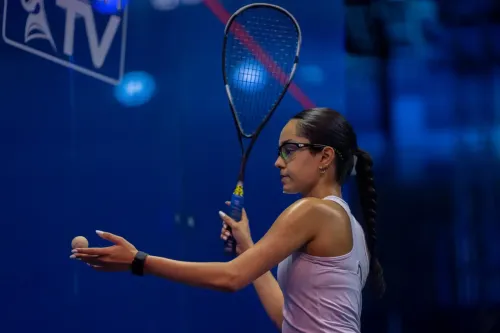
Explaining the rationale behind these formats, he noted, “The goal is to spark curiosity and encourage more people to play, creating opportunities for them to share the court with stars like Mostafa Asal or Hania El Hammamy—a chance money cannot buy.”
Ghosal affirmed that these initiatives aim not only for engagement but also for skill enhancement.
“Every aspect of the AI should lead to improving one's abilities. It’s not merely a gimmick; the skill challenges reflect what we, as professional players, practice regularly,” he explained.
Reflecting on his own transition post-competition, Ghosal acknowledged that redefining his identity remains a work in progress.
“I’ll need time to answer that, as I am still navigating through it. I loved my time on the biggest stages during high-pressure situations,” he admitted.
Ghosal shared his preference for challenging moments during his playing career. “I often hoped to find myself in high-stakes situations; given a choice, I would choose to play the decider,” he revealed.
Adjusting to a new role presents different challenges. “As a player, I was in full control of my time, which I now appreciate more—something I lack in my current situation,” he said.
Ghosal concluded by acknowledging that the transition is ongoing and carries its own set of pressures. “I’m still in the process, but it’s a challenge in its own right. I hope to reach a resolution sooner rather than later,” he remarked.
Point of View
We see Saurav Ghosal's compelling case for squash’s inclusion in the Olympics as a pivotal moment for the sport. His emphasis on participation and innovative engagement highlights a proactive approach that could transform squash into a mainstream sport globally. Ghosal's insights reflect a deep understanding of the challenges and opportunities facing squash today.
NationPress
22 Sept 2026
Frequently Asked Questions
Why is squash important for athletes?
Squash is recognized for its intense physical demands and strategic gameplay, showcasing some of the world's best athletes.
What are the key challenges facing squash?
Squash faces challenges in increasing participation and visibility, especially as it competes for attention against various forms of entertainment.
How can squash increase its global popularity?
By improving visibility through media coverage, grassroots programs, and engaging formats that attract younger audiences.
What role does technology play in squash?
Technology can enhance engagement, democratize access, and foster skill development among players at all levels.
What is the significance of the 2028 Summer Olympics for squash?
The inclusion in the 2028 Olympics is a historic opportunity for squash to showcase its talent on a global platform and attract new participants.