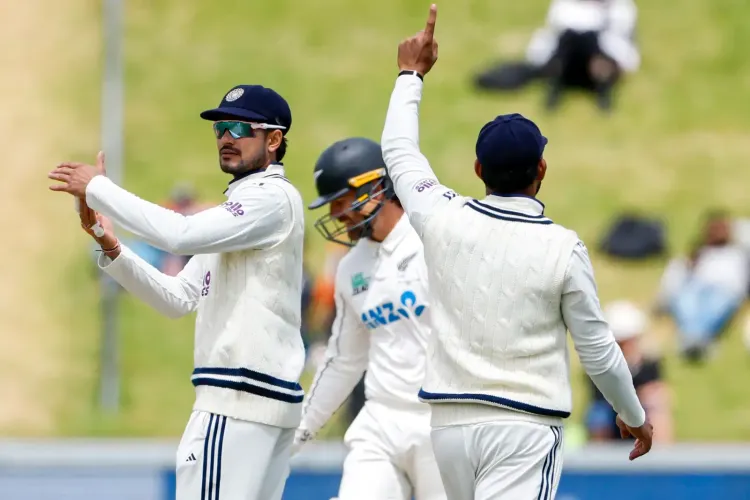
Shubman Gill criticises Wellington pitch after drawn first Test
Synopsis
Shubman Gill says the Basin Reserve pitch became flatter and slower as New Zealand batted out the final day at 239/5. The India captain also questioned the saliva ban and said a quickly softening ball made it harder for bowlers to force a result.
Key Takeaways
New Zealand finished on 239/5 to draw the first Test against India at the Basin Reserve .
Shubman Gill said the Wellington pitch became flatter and slower over the match.
Daryl Mitchell remained unbeaten on 49 off 186 balls .
Gill said India's first ball became soft after approximately 25-30 overs and questioned the saliva ban.
Gill expects most of India's XI to stay the same for the second Test in Christchurch , subject to a pitch assessment.
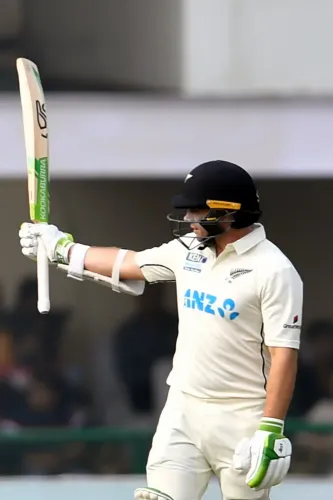
India captain Shubman Gill criticised the Basin Reserve pitch in Wellington after the first Test against New Zealand ended in a draw on 23 November, saying the surface became flatter and slower over five days. The hosts batted through the final day to finish on 239/5, denying India a second innings dismissal and a victory.
Gill said the pitch offered too little assistance to produce a result and also questioned whether the ball's condition and the continuing prohibition on using saliva to shine it made the bowlers' task harder.
Gill's assessment of the Basin Reserve pitch
India controlled much of the match but could not take the remaining wickets on the final day. Speaking at his post-match press conference, Gill said the surface had not changed as he expected after the Test began.
“The wicket just got slower, so having seen that, I think it was not a great Test wicket, especially if you want results,” he said. Gill added that draws had once been more common, whereas results receive greater attention in the World Test Championship era.
The captain felt off-spinner Washington Sundar had slightly more assistance than the fast bowlers, although he stressed that there was not a great deal of spin. On the final day, he said, occasional deliveries stayed low but lacked the pace to beat batters.
Why India agreed to the draw
Gill said India accepted the stalemate with an hour left because the fast bowlers had each bowled almost 50 overs in the match and the surface was offering little. He felt another 10 or 15 overs would not have changed the outcome.
“Yes, I do feel frustrated. I didn't get the match result that I wanted. But this is also a part of the game,” he said. He added that teams had become less accustomed to draws over the past 6-7 years.
Discussing the declaration, Gill said India had considered how much time they would need to dismiss New Zealand and the short turnaround before the next Test. He said the break was three days, including one day of travel.
Soft ball and saliva rule concerns
Gill said the red Kookaburra ball had become soft quickly, estimating that India's first ball had done so after approximately 25-30 overs. He said New Zealand had also complained and referred to similar concerns during the series in England.
In his assessment, a soft ball on an unhelpful pitch reduced the chances of edges carrying, while a lack of movement made lbw and bowled dismissals harder to secure. He questioned whether ball quality had declined but did not establish a cause.
Gill also questioned why the ban on applying saliva to shine the ball, introduced during the Covid-19 pandemic, remained in place. He described it as another factor making life difficult for bowlers.
Mitchell's resistance and the next Test
New Zealand all-rounder Daryl Mitchell finished unbeaten on 49 off 186 balls. Gill said India had missed a short-leg half-chance and a run-out opportunity involving Mitchell, while acknowledging that taking them might not necessarily have changed the result.
Gill praised Mitchell's competitiveness and India's fielding effort, saying his side took two wickets in the first session and had hoped to expose the lower order. He said the team maintained its energy despite the long stint in the field.
Looking at the World Test Championship race, Gill said he believed India would be in a good position to reach the final if they won five of their next six matches. He also said the length of Test series was not a decision in his hands.
For the second Test in Christchurch, Gill expects most of India's XI to remain unchanged, while reserving a final decision until the team has assessed the pitch.
Point of View
But a draw alone does not establish that a pitch was unfit for Test cricket. His account also raises a separate question about ball condition and the saliva rule, issues that cannot be settled by examining the surface alone. The missed chances and declaration timing deserve scrutiny alongside the captain's assessment, while player workload matters in a short turnaround between Tests.
NationPress
23 Nov 2026
Frequently Asked Questions
Why did Shubman Gill criticise the Basin Reserve pitch?
Gill said the Wellington pitch became flatter and slower over five days and offered too little assistance to produce a result. He felt the surface gave seamers particularly little help on the final day.
What was the result of the India vs New Zealand first Test?
The first Test at the Basin Reserve ended in a draw, with New Zealand finishing on 239/5. The hosts batted through the final day.
Why did India agree to a draw with an hour left?
Gill said the pitch offered too little assistance for additional overs to make a difference. He also said India's fast bowlers had each bowled almost 50 overs in the match.
What did Gill say about the cricket ball and saliva ban?
Gill said the red Kookaburra ball became soft quickly and questioned why the ban on using saliva to shine it remained in place. He estimated that India's first ball softened after around 25-30 overs.
Will India change their team for the second Test?
Gill expects most of India's XI to remain the same for the second Test in Christchurch. He said the final decision would depend on the pitch.