Irani Cup 2026: Srinagar's Sher-i-Kashmir Stadium hosts first big cricket in 40 years
Synopsis
For the first time since 1986, elite cricket returns to Srinagar — and the weight of history is immense. Jammu & Kashmir arrive as reigning Ranji Trophy champions, 67 years in the making, hosting a Rest of India side led by Rishabh Pant at a stadium that once fell silent for four decades as militancy and occupation kept the game away.
Key Takeaways
The Irani Cup 2026 begins at Sher-i-Kashmir Stadium, Srinagar on 30 September — the first top-tier cricket fixture in the city in nearly 40 years .
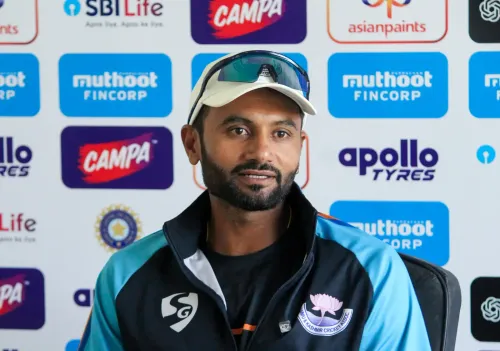
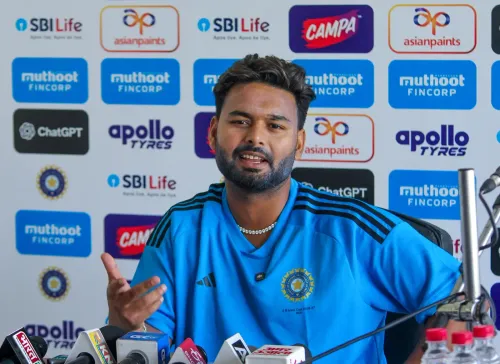
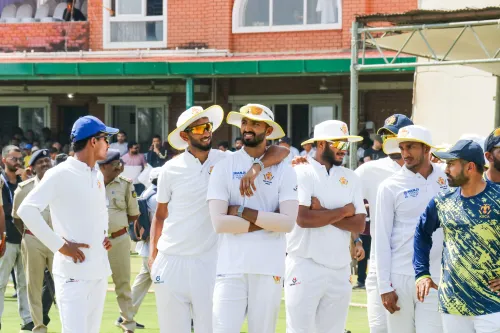
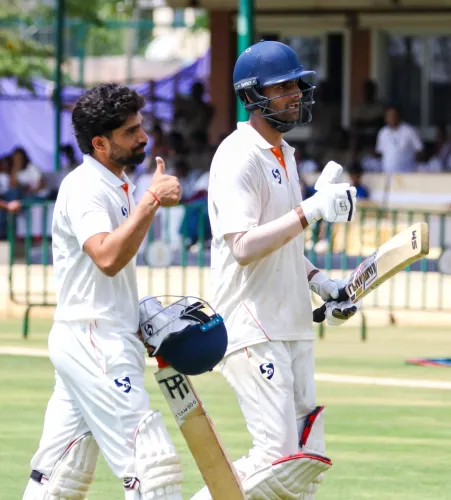
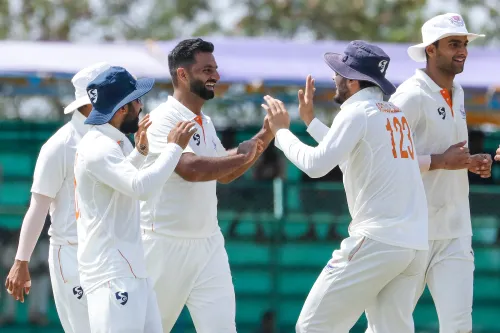
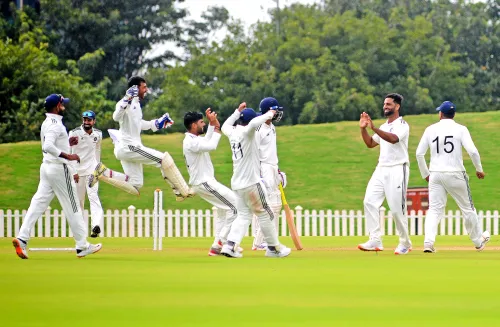
Rishabh Pant leads Rest of India against Ranji Trophy champions Jammu and Kashmir , captained by Paras Dogra .
The last major match at the venue was an India vs Australia ODI in 1986 ; before that, a controversial India vs West Indies ODI on 13 October 1983 .
Paramilitary forces occupied the stadium complex for 18 years during the peak of militancy; first-class cricket resumed only in 2009 .
Jammu and Kashmir won their first Ranji Trophy in February 2026 , ending 67 years of attempts.
Local players including Parvez Rasool , Umran Malik , Rasikh Salam and Auqib Nabi have driven a cricket boom that has overtaken football and hockey in the valley.
The Sher-i-Kashmir Stadium in Srinagar is set to host the Irani Cup 2026 starting 30 September, marking the return of elite cricket to the valley for the first time in nearly four decades. Rishabh Pant's Rest of India side will face Ranji Trophy champions Jammu and Kashmir in a fixture that carries far more weight than its scoreline ever could.
A Ground Unlike Any Other
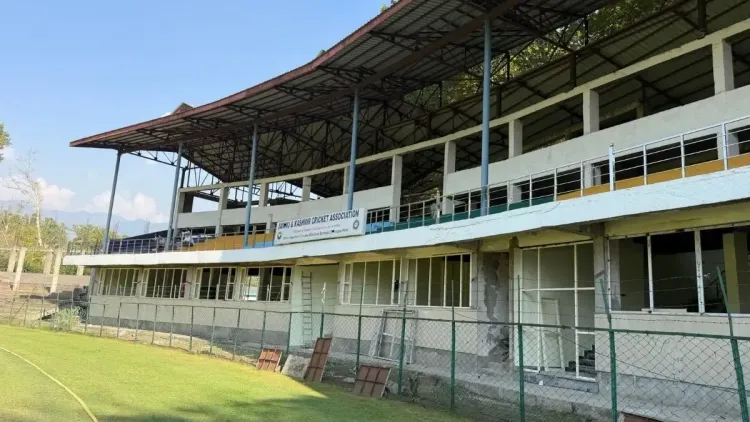
Tucked inside Sonwar Bagh, the stadium sits alongside the Jhelum River, framed by towering chinar trees, rolling hills and the Shankaracharya temple in the distance. The setting is undeniably cinematic — but the barbed wire perimeter, sniffer dogs on patrol and fans queuing with Aadhaar cards in hand are reminders of the security realities that still shape life in Srinagar. Nobody in the queue appeared to mind.
Forty Years in the Making
The last major cricket fixture at this venue was an ODI between India and Australia in 1986. Before that, on 13 October 1983 — just months after Kapil Dev's team lifted the ODI World Cup at Lord's — India had hosted the West Indies here. Raju Raina, then a college student, was in the stands that day and recalls paying ₹10 for a ticket. 'It was the first time I had the opportunity to see our World Cup-winning cricket stars so up close,' he recalled.
That 1983 match descended into chaos. After India were bowled out for 176 in 41.2 overs, the pitch was dug up during the lunch break. The West Indies innings had barely progressed to 108 for 0 in 22.4 overs when a dust storm ended proceedings, with the visitors declared winners. Bottles were thrown at Indian fielders; 12 people were arrested, though all were acquitted by 2011.
Memory, Militancy and a Long Silence
Ravinder Pandita, a former All India Radio and Doordarshan Kashmir commentator who now chairs the Save Sharda Temple Committee — Kashmir, was present at both the 1983 and 1986 fixtures. He recalls a pre-match atmosphere thick with tension in 1983, with separatist elements opposing the game's staging. An entertainment band booked for the visiting West Indian players could not reach the hotel; Pandita and a group of young musicians had to step in at the last moment, playing Hindi film tunes for half an hour.
'The West Indies were also worried about what would happen in those days. They were quite frightened about whether they were playing in India or not,' Pandita said. The 1986 India vs Australia ODI, captained by Allan Border, passed without incident and was won by Australia. After that, silence.
As militancy intensified, Kashmiri Pandits were forced to leave, and paramilitary forces occupied the stadium complex for 18 years, using the dressing rooms as living quarters and storage. First-class cricket returned in 2009, but marquee matches remained elusive. When the Legends League visited Srinagar in 2024, even a makeshift venue was packed to capacity.
Cricket Has Won Over the Valley
The transformation in the valley's sporting culture has been gradual but unmistakable, according to Pandita. Once a football-first region with a strong affinity for Pakistani players, Kashmir has now embraced cricket as its dominant sport. 'Whether it's Baramulla or Anantnag, cricket has become a big thing,' he said. He credits the rise of local players — Parvez Rasool, Umran Malik, Rasikh Salam and Auqib Nabi — for giving the valley a direct stake in Indian cricket.
Jammu and Kashmir won their first Ranji Trophy in February, ending 67 years of near-misses. Nabi's ODI debut — despite conceding 84 runs — was cause for celebration in Srinagar. The Irani Cup now arrives as the natural next chapter.
Race Against the Clock
Workers put in a final push to complete renovations to the stands, scoreboard and commentary room before the inspection deadline. The stadium cleared all checks with time to spare. When gates open on Thursday, pass-holding fans will fill the terraces to cheer captain Paras Dogra and his reigning champions onto home soil — a moment Srinagar has waited four decades for, and one that must be savoured before the Himalayan winter closes in.
Point of View
The pitch was literally dug up to prevent a match from being played; today, fans are queuing with Aadhaar cards to watch their home side as reigning Ranji champions. That inversion is the real story. The BCCI deserves credit for the symbolism, but the harder test is whether marquee cricket becomes a regular feature here — not a once-in-a-generation event that requires a race against winter and a decade of stadium renovation to pull off.
NationPress
1 Oct 2026
Frequently Asked Questions
What is the Irani Cup 2026 and why is the Srinagar venue historic?
The Irani Cup is an annual first-class cricket fixture between the reigning Ranji Trophy champions and a Rest of India side. The 2026 edition is historic because it is being played at Sher-i-Kashmir Stadium in Srinagar — the first top-tier cricket match hosted in the city since an India vs Australia ODI in 1986, nearly 40 years ago.
Which teams are playing in the Irani Cup 2026 in Srinagar?
Rishabh Pant's Rest of India are facing Jammu and Kashmir, who won their maiden Ranji Trophy title in February 2026, ending 67 years of attempts. Jammu and Kashmir are captained by Paras Dogra for the home fixture.
What happened during the 1983 India vs West Indies ODI at Sher-i-Kashmir Stadium?
India were bowled out for 176 in 41.2 overs, after which the pitch was dug up during the lunch break by unknown persons. A dust storm then halted the West Indies reply at 108 for 0, and the visitors were declared winners. Bottles were thrown at Indian fielders, 12 people were arrested, and all were acquitted by 2011.
Why did cricket disappear from Srinagar for so long?
As militancy escalated through the late 1980s and 1990s, Kashmiri Pandits were displaced and the stadium complex was occupied by paramilitary forces for 18 years, with dressing rooms used as living quarters and storage. First-class cricket returned only in 2009, but high-profile matches remained rare until now.
How has cricket grown in Kashmir in recent years?
Cricket has become the dominant sport in the valley, displacing football and hockey, according to observers on the ground. The emergence of players like Parvez Rasool, Umran Malik, Rasikh Salam and Auqib Nabi in Indian and India 'A' set-ups has given the region a direct stake in national cricket, culminating in J&K's historic Ranji Trophy win in February 2026.