Asian Games 2026 Nagoya: Early chaos rattles athletes, opening ceremony offers hope
Synopsis
Japan's reputation as a seasoned host is under the microscope: athletes from multiple nations, including India, have flagged accommodation chaos and communication failures at the Nagoya Asian Games — even as Emperor Naruhito declared the 20th edition open in a glittering ceremony where a last-minute flagbearer switch put kabaddi star Pawan Sehrawat alongside Olympic shooter Manu Bhaker.
Key Takeaways
The 20th Asian Games officially opened in Aichi-Nagoya, Japan on 19 September , declared open by Emperor Naruhito .
Athletes from India and other nations reported serious logistical issues — accommodation, transport, and communication — in the lead-up to the Games.
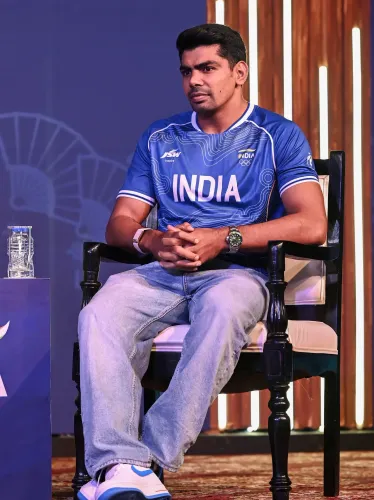
Olympic medallist Manu Bhaker and kabaddi star Pawan Sehrawat co-led the Indian contingent as flagbearers at the opening ceremony.
Tajinderpal Singh Toor , originally named India's male flagbearer, was replaced by Sehrawat due to a technical issue.
Many Indian athletes are yet to arrive in Nagoya, giving organisers a brief window to resolve the logistical issues before full-scale competition begins.
The 20th Asian Games in Aichi-Nagoya, Japan got underway on 19 September amid a spectacular opening ceremony, but the build-up has been marked by widespread logistical failures — including problems with accommodation, transport, and communication — that have frustrated athletes from India and several other competing nations.
Athletes Voice Frustration Over Arrangements
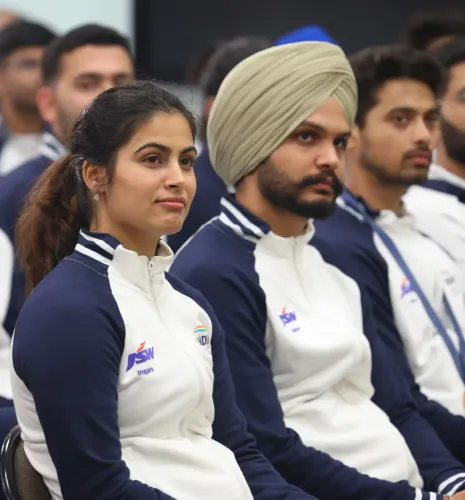
Indian athletes, speaking on condition of anonymity, described the opening days as deeply disorganised. 'There are a lot of problems — accommodation, everybody is confused. Language could also be a reason. But when you host such a major tournament, you must plan accordingly,' they said. The complaints are not limited to the Indian contingent — athletes from other nations have reportedly photographed the problems they encountered and shared them on social media, amplifying scrutiny of the host city's preparedness.
This comes amid high expectations of Japan as a host nation. 'Japan has been a good host earlier. We don't know what happened this time, but hopefully, after this day, the Games will run smoothly and without any issues,' the athletes added. Notably, Japan hosted the 2020 Tokyo Olympics — albeit in pandemic conditions — and is widely regarded as an experienced hand at large-scale international sporting events. The concerns raised this time are therefore being treated as an anomaly, though one that demands swift resolution.
Organisers Have a Window to Correct Course
Athletes noted that a significant number of competitors have yet to arrive in Nagoya, giving the organising committee a narrow window to address the shortcomings before the Games reach full pace. 'There are more Indian athletes yet to join here. The Indian government is doing a good job, and so is the Indian Olympic Association (IOA). Let's hope for the best,' they said. The staggered arrival of contingents — common at multi-sport events of this scale — provides organisers some breathing room, but pressure to deliver will intensify rapidly once the full complement of athletes is on the ground.
Opening Ceremony: Colour, Culture, and a Flagbearer Switch
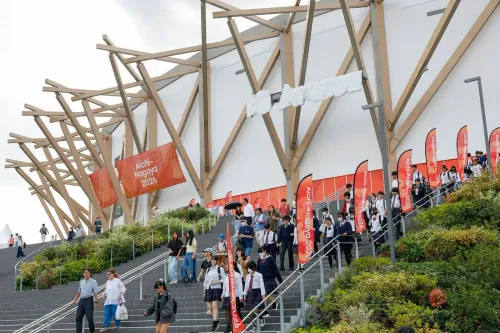
On Saturday evening, the focus shifted from logistical woes to spectacle as the Mizuho Park Athletic Stadium in Nagoya hosted the opening ceremony. Emperor Naruhito of Japan officially declared the Games open, signalling the start of over two weeks of competition for thousands of athletes from across the continent.
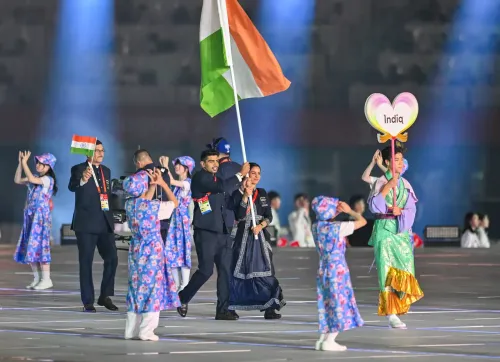
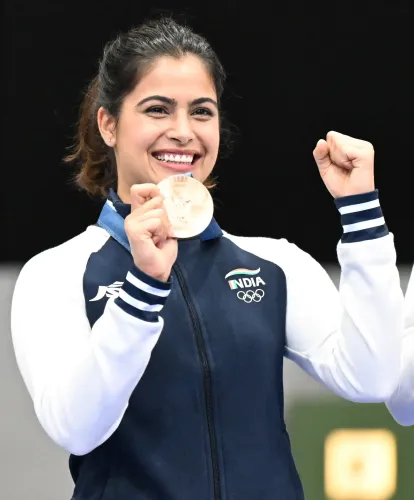
India's moment in the march-past was both proud and tinged with last-minute drama. Olympic medallist Manu Bhaker and kabaddi star Pawan Sehrawat led the Indian contingent into the stadium as co-flagbearers. The pairing united two distinct sporting worlds — Bhaker representing India's recent Olympic shooting success, and Sehrawat embodying the strength of kabaddi, having been part of India's gold-medal-winning team at the previous Asian Games.
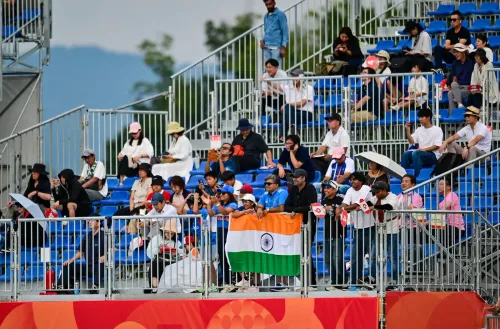
However, Sehrawat's inclusion was the result of a last-minute substitution. Shot putter Tajinderpal Singh Toor had originally been named India's male flagbearer, but a technical issue prevented him from taking part in the ceremony. Sehrawat was subsequently drafted in to walk alongside Bhaker. Once the Indian contingent entered the arena, the tricolour drew cheers as athletes waved to spectators, with the unexpected change quickly overshadowed by the occasion itself.
What the Games Mean — and What Must Change
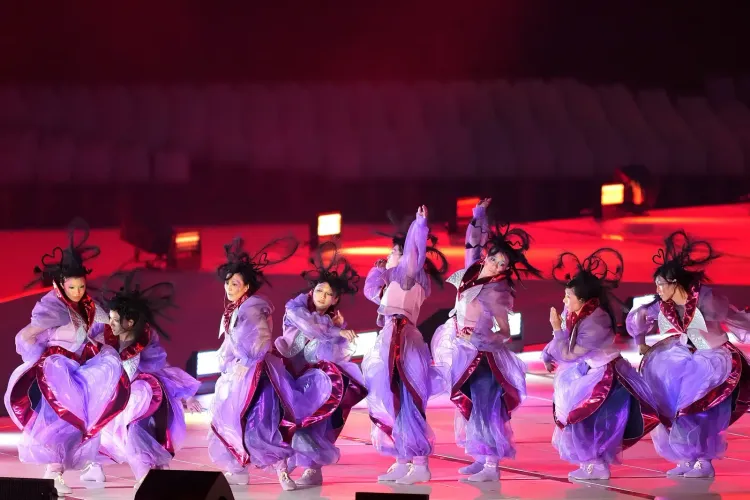
The opening ceremony, which celebrated Japan's rich cultural heritage and traditions, offered a ceremonial reprieve from the anxieties of the preceding days. Yet the contrast between the pageantry of the ceremony and the chaos reported in athlete villages is a reminder that the logistical machinery underpinning a Games of this scale is as important as its visual spectacle.
For Nagoya, the real test now begins with the sport — and with demonstrating that the organisational stumbles of the opening days were an aberration rather than a pattern.
Point of View
Not isolated. Organisers will argue teething troubles are inevitable at this scale, but that line wears thin when athletes — who have often sacrificed years of preparation to get here — are the ones absorbing the cost of poor planning. The IOA and Indian government's decision to stay upbeat is diplomatically sensible, but athletes' welfare demands more than optimism.
NationPress
19 Sept 2026
Frequently Asked Questions
What problems have athletes faced at the 2026 Nagoya Asian Games?
Athletes from India and several other nations have reported issues with accommodation, transportation, and communication in the days leading up to the Games. Some competitors photographed the problems and shared them on social media, raising widespread concerns about the host city's organisational preparedness.
Who carried the Indian flag at the Asian Games 2026 opening ceremony?
Olympic medallist Manu Bhaker and kabaddi star Pawan Sehrawat served as India's co-flagbearers at the opening ceremony in Nagoya. Sehrawat was a last-minute replacement for shot putter Tajinderpal Singh Toor, who was unable to participate due to a technical issue.
Why was Tajinderpal Singh Toor replaced as India's flagbearer?
Tajinderpal Singh Toor had originally been named India's male flagbearer for the Nagoya Asian Games opening ceremony, but a technical issue prevented him from taking part. Kabaddi player Pawan Sehrawat was subsequently drafted in as his replacement.
When did Emperor Naruhito declare the Asian Games open?
Emperor Naruhito of Japan officially declared the 20th Asian Games open at the Mizuho Park Athletic Stadium in Nagoya on the evening of 19 September 2026, marking the start of over two weeks of continental competition.
Will the logistical issues at the Nagoya Asian Games be resolved?
Organisers reportedly have some time to address the problems, as a considerable number of athletes — including many from India — had yet to arrive in Nagoya at the time of the opening ceremony. Athletes and officials have expressed cautious hope that conditions will improve once competition is fully underway.