Lungi Ngidi Reflects on Perfecting the Slower Ball Ahead of IPL 2026

Synopsis
Lungi Ngidi, the South African fast bowler, shares his journey of perfecting the slower ball, a technique he considers his signature delivery. As he prepares for a crucial match against RCB in IPL 2026, Ngidi highlights the hard work and strategic thinking behind his bowling.
Key Takeaways
Slower Ball Mastery: Ngidi has dedicated years to perfecting his slower ball, making it a key weapon in his arsenal.
Strategic Preparation: Before facing top batters like Virat Kohli, Ngidi analyzes technical aspects and recent performances.
Mental Resilience: Success in bowling variations requires strong mental preparation and confidence.
Adaptability: In T20 cricket, having multiple delivery options is crucial for success.
Learning from Experience: Continuous learning and adaptation are vital, especially in a rapidly evolving game.
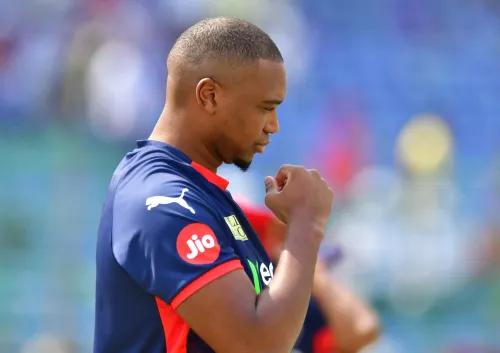
New Delhi, April 16 (NationPress) Lungi Ngidi has transformed the slower ball into his hallmark delivery, emphasizing that it has taken years to hone his craft. As one of South Africa's leading fast bowlers, Ngidi first made waves in the IPL during the Chennai Super Kings' victorious campaign in 2018, where he secured 11 wickets across just seven matches.
Following a brief period with Royal Challengers Bangalore, which resulted in an IPL title win in 2025, he was acquired by Delhi Capitals for INR 2 crore ahead of the current season. With attributes like height, pace, and a variety of deliveries, Ngidi has become a pivotal component of DC’s bowling lineup.
As DC gears up to reclaim victory against the reigning champions RCB this Saturday, Ngidi shared insights during a media interaction organized by the franchise, discussing his slower balls, the dedication it took to master them, his strategies against Virat Kohli, experiences playing under MS Dhoni, and more. Here are some highlights:
Q. How did you first develop your slower-ball variation, and what went into perfecting it?
A. I've faced this question numerous times since the World Cup. My journey began at CSK in 2018, where Dwayne Bravo advised me to refine my slower ball. I asked him to share his techniques, and he provided valuable guidance.
Initially, I struggled, but over the years, I fine-tuned it. While some may be surprised, I've actually been bowling this slower ball for a long time. The key difference now is the added flight and revolutions. Regardless of whether I bowl it on a length or fuller, the execution remains consistent.
Perfecting it demanded immense practice. Many ask me how I achieve it, often underestimating its complexity, as they attempt it from the very first delivery. For me, it required nearly a year to gain the confidence to throw it effectively.
It has become a vital asset in my arsenal. Delivering it, especially aiming for a dipping yorker, requires substantial confidence. Mistakes can lead to boundaries, but when executed well, it generates opportunities.
In T20 cricket, generating chances and managing run flow is crucial. I've noticed a trend in the IPL where everyone opts for pace, but with current pitches and boundary dimensions, speed can be risky. Thus, diversifying your approach is essential to remain competitive.
Q. What strategies do you have in mind for facing Virat Kohli?
A. I won't disclose my strategies for Kohli, as that would undermine our efforts. However, I always devise plans based on technical insights, recent dismissals, and batting patterns. Kohli is undoubtedly a formidable player, but I recognize that every batter poses a threat. We must be vigilant to succeed against them.
Q. What mindset do you adopt when executing variations?
A. It's mentally demanding. Bowling a slower ball is a bold choice; if mishandled, it could easily turn into a full toss, leading to a boundary. My confidence stems from thorough preparation and years of practice under pressure.
I bowl during crucial phases—both in the powerplay and at the death—making it a high-stakes endeavor. As our coach emphasizes, someone has to take on the tough roles, and that's my job. I continuously seek ways to excel in these circumstances.
This includes exploring variations, adjusting grips, and experimenting with different techniques. The game is evolving; maintaining mental resilience and executing skills effectively is critical.
Q. Do you prefer multiple variations or a reliable stock ball?
A. At times, having too many options can be counterproductive, especially in longer formats. Yet, in T20 cricket, the landscape has shifted. Batters aim for quick scoring, particularly in the powerplay. If you rely on the same delivery, they'll catch on. Variations are essential; if one approach fails, you need alternatives.
However, if conditions favor consistency, sticking to your primary delivery is wise. While an overload of options can lead to overthinking, it can also work to your advantage by keeping batters uncertain.
Q. How significant are length and simplicity compared to mixing it up in T20s?
A. Conditions dictate your bowling style. A well-placed ball on the off-stump is always effective. My experience in Test cricket has provided me with a solid foundation to execute basic deliveries. Variations are crucial under pressure, but the fundamentals of good technique and precision remain paramount.
Q. How do you maintain the element of surprise in your bowling with limited IPL opportunities?
A. This marks my ninth IPL season, but I've faced about three years without playing. While it's frustrating, I focus on controlling my performance during the opportunities I do get. I utilized that time to train and prepare for other cricket engagements, including national duties.
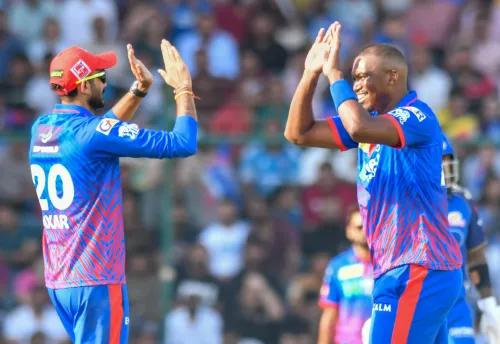
Regarding the slower ball, while others may anticipate it, executing it well remains effective. I also engage with players like KL Rahul, Axar Patel, David Miller, and Tristan Stubbs to gain insights into batter mindsets. Ultimately, I concentrate on fulfilling my plans and the captain's strategies.
Q. How do you deal with emotions when facing your former team RCB?
A. I approach the game with professionalism, leaving emotions aside. Playing for the Delhi Capitals is my priority now. I had a wonderful experience with RCB, culminating in a title win, but that chapter is closed. My responsibility is to contribute to the team that believes in me.
Q. After two losses, how's the mood in the camp, and how do you keep playoff hopes alive?
A. While I can't predict the future, we certainly possess the talent to progress far. Our losses have been narrow, and if we critically evaluate those matches, we can identify the moments we faltered. Recognizing these mistakes and learning from them gives us a strong chance in the tournament. There's a positive atmosphere building within the team.
Q. Are you developing new variations, and what do you learn from observing others?
A. I'm working on some new techniques, though they might not surface in this tournament yet. Mastering new skills takes time. I consistently seek to learn, especially from bowlers like Auqib, whose swinging abilities remind me of Bhuvneshwar Kumar.
I approach the IPL with humility, understanding that local players often possess deeper insights into conditions. I value that knowledge and remain open to learning while also sharing my expertise.
Q. What did winning the WTC and a Test series in India signify for you personally?
A. Securing the ICC trophy was monumental for our nation, a milestone that stands out for me. Winning a Test series in India ranks highly as well, but historically, the ICC trophy holds greater significance for us in South Africa.
Q. What was your experience playing under MS Dhoni, and what lessons did you take from his leadership?
A. Playing under MS Dhoni in my early years was invaluable. His calm demeanor and emotional stability helped me maintain composure. They placed their trust in me, allowing me to open the bowling during a final in my debut season, which speaks volumes about their confidence in my abilities. I cherished my time at CSK and learned a great deal alongside legends like Suresh Raina, Harbhajan Singh, Dwayne Bravo, and Murali Vijay when I was just 20 or 21.
Frequently Asked Questions
How long did it take Lungi Ngidi to master his slower ball?
Ngidi mentions it took nearly a year to build the confidence to deliver his slower ball effectively.
What advice did Dwayne Bravo give Ngidi regarding his bowling?
Bravo advised Ngidi to work on a good slower ball and even taught him some techniques.
How does Ngidi prepare for facing Virat Kohli?
Ngidi develops strategies based on technical analysis, recent dismissals, and batting patterns without revealing specific plans.
What mindset does Ngidi adopt when executing variations?
He emphasizes the mental challenge of bowling variations, which requires confidence and preparation.
How does Ngidi maintain the surprise element in his bowling?
He focuses on execution and adapts his bowling strategies while engaging with other players to understand batter perspectives.