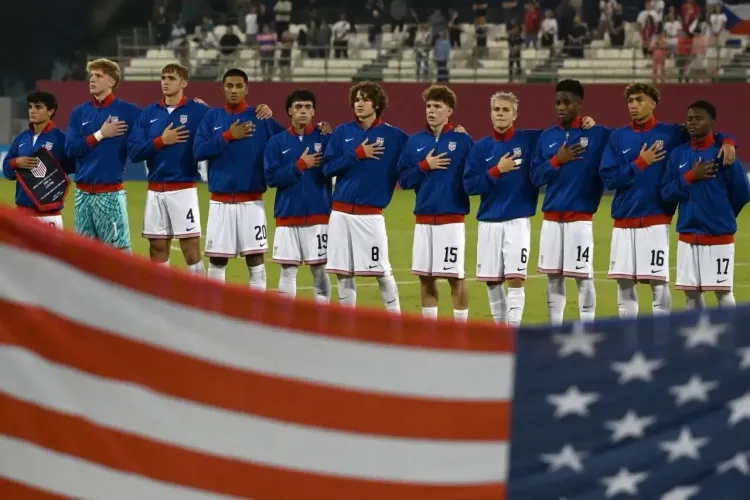
US withdraws from FIFA U-17 World Cup in Qatar over Middle East security fears
Synopsis
Just one week before kick-off, the United States has pulled out of the FIFA U-17 World Cup in Qatar — the latest major sporting casualty of the Middle East conflict. With the WTA Finals and two Formula One races already disrupted, FIFA now faces an urgent race to find a replacement or rewrite its own competition rules before 19 November.
Key Takeaways
The United States has withdrawn from the FIFA U-17 World Cup in Qatar , reportedly due to Middle East security concerns .
The withdrawal came just one week before the tournament's opening on 19 November ; the event runs until 13 December .
The US was placed in Group I alongside Montenegro , Chile , and Algeria in the 48-team competition.
FIFA regulations impose a minimum fine of 20,000 Swiss francs (approx.
24,000 US dollars ) for late withdrawals within 30 days of tournament start.
Other sporting events disrupted by the conflict include the WTA Finals (moved from Saudi Arabia to Indian Wells) and the Saudi Arabian Grand Prix (cancelled).
FIFA has yet to decide whether a replacement nation will be invited or the competition format adjusted.
The United States has withdrawn from the FIFA U-17 World Cup in Qatar, reportedly citing security concerns stemming from the ongoing conflict in the Middle East. The withdrawal, confirmed just one week before the 48-team tournament was set to begin on 19 November, leaves FIFA to decide whether a replacement nation will be invited or the competition format will be revised.
Why the US Pulled Out
Several media reports attributed the decision to a deteriorating security environment across the Gulf region. The conflict, which reportedly began in February with joint US-Israeli strikes on Iran, has triggered retaliatory strikes by Tehran against targets in countries allied with Washington. Diplomatic efforts to halt hostilities have been repeatedly overshadowed by threats of renewed military action, raising serious questions about the viability of hosting large-scale international events in the region.
The United States had been drawn in Group I alongside Montenegro, Chile, and Algeria. The tournament is scheduled to run through 13 December.
Wider Sporting Fallout
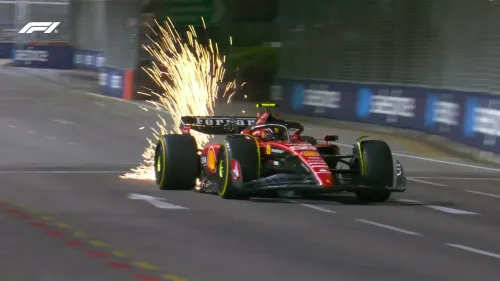
The US withdrawal is part of a broader pattern of international sports events being disrupted by the regional conflict. The WTA Finals, originally slated for Saudi Arabia, were relocated to Indian Wells in the United States. Formula One races in Jeddah and Bahrain were also impacted — the Saudi Arabian Grand Prix was cancelled outright, while the Bahrain Grand Prix was called off before being rescheduled under the same name in Malaysia.
FIFA's Regulatory and Competitive Dilemma
Under FIFA competition regulations, any member association withdrawing its team within 30 days of a tournament's start faces a minimum fine of 20,000 Swiss francs (approximately 24,000 US dollars). FIFA also retains the authority to invite a replacement nation, though finding one at such short notice is expected to be difficult.
The governing body's competitions department has yet to announce a course of action. Notably, if no replacement is named, FIFA may need to adjust the method for determining the eight best third-placed teams — potentially excluding results against the bottom-placed side in each group when comparing points and goal difference, complicating the knockout-stage qualification picture.
What Happens Next
The clock is ticking for FIFA, with the tournament opener less than a week away. Whether a replacement nation steps in or the format is adjusted, the precedent is significant: this marks one of the most high-profile security-driven withdrawals from a FIFA event in recent memory. The outcome of FIFA's deliberations will also set a benchmark for how the sport navigates geopolitical instability around future tournaments in the region.
Point of View
But the signal it sends to FIFA and future hosts: geopolitical instability can now override even a World Cup. FIFA's choice here — fine and replace, or restructure — will reveal how much institutional flexibility the sport's governing body is willing to exercise under political pressure. More broadly, the episode raises a question mainstream coverage is tiptoeing around: how long can Gulf nations remain on the international sporting calendar if the security calculus keeps deteriorating?
NationPress
12 Nov 2026
Frequently Asked Questions
Why did the United States withdraw from the FIFA U-17 World Cup in Qatar?
The United States reportedly withdrew due to security concerns linked to the ongoing Middle East conflict, which began in February with joint US-Israeli strikes on Iran and has since triggered retaliatory actions across the Gulf. The decision was confirmed approximately one week before the tournament's scheduled start on 19 November.
When and where is the FIFA U-17 World Cup being held?
The FIFA U-17 World Cup is being held in Qatar, with matches running from 19 November to 13 December. It is a 48-team tournament involving nations from across the globe.
Will FIFA invite a replacement team for the United States?
FIFA has not yet announced whether it will invite a replacement nation or adjust the competition format. Finding a replacement at such short notice is expected to be difficult, and any format change could affect how the eight best third-placed teams are determined for the knockout stage.
What financial penalty does the US face for withdrawing?
Under FIFA competition regulations, a member association that withdraws within 30 days of a tournament's start faces a minimum fine of 20,000 Swiss francs, equivalent to approximately 24,000 US dollars. FIFA also retains the authority to take further regulatory action.
Which other sporting events have been affected by the Middle East conflict?
The WTA Finals, originally scheduled in Saudi Arabia, were relocated to Indian Wells in the United States. The Saudi Arabian Formula One Grand Prix was cancelled, and the Bahrain Grand Prix was called off before being rescheduled in Malaysia under the same name.