Women wrestlers appeal Brij Bhushan Singh's acquittal at Rouse Avenue Court
Synopsis
Four women wrestlers have formally challenged Brij Bhushan Sharan Singh's acquittal in the sessions court, arguing the trial court misjudged the evidence. With a hearing set for Friday, the case — which ignited a national reckoning over athlete safety and sports federation accountability in 2023 — is far from over.
Key Takeaways
Four women wrestlers filed an appeal at the Rouse Avenue Sessions Court on 25 September 2026 against the acquittal of Brij Bhushan Sharan Singh and Vinod Tomar .
The appeal contends the 3 August trial court judgment is legally unsustainable and that evidence was assessed incorrectly.
The sessions court is expected to hear the matter on Friday .
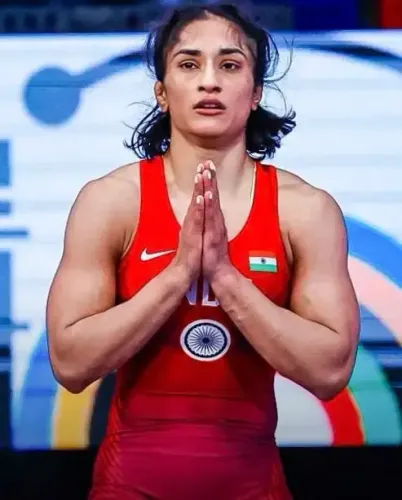
The case originated with protests by Olympians Vinesh Phogat , Sakshi Malik , and Bajrang Punia at Jantar Mantar in January 2023 .
A separate POCSO case against Singh was closed in May 2025 after police found no corroborative evidence.
Singh has called the acquittal a 'victory of junior players'; the wrestlers say the legal battle is 'far from over.'
Four women wrestlers have moved the Rouse Avenue Sessions Court in New Delhi challenging the acquittal of former Wrestling Federation of India (WFI) President Brij Bhushan Sharan Singh and former WFI Assistant Secretary Vinod Tomar in the alleged sexual harassment and intimidation case. The appeal, filed on 25 September 2026, targets the 3 August judgment of the trial court, which had held that the prosecution failed to establish the charges beyond reasonable doubt.
What the Appeal Argues
The women wrestlers contend in their appeal that the trial court's judgment is legally unsustainable and that evidence was assessed incorrectly. The appeal also seeks to overturn the acquittal of Tomar, who was tried under Section 506 Part I of the Indian Penal Code (IPC) on allegations made by one of the complainants. The sessions court is expected to hear the matter on Friday.
Background: From Jantar Mantar to the Courts
The case traces its origins to January 2023, when prominent wrestlers — including Olympians Vinesh Phogat, Sakshi Malik, and Bajrang Punia — staged a high-profile protest at Jantar Mantar, accusing Singh of sexual exploitation and intimidation. The wrestlers demanded his resignation as WFI chief and called for the federation's dissolution.
Following a complaint to Indian Olympic Association (IOA) President P.T. Usha, an inquiry committee comprising eminent sportspersons including Mary Kom and Yogeshwar Dutt was constituted. The Union Sports Ministry subsequently suspended the WFI's functioning and sidelined Tomar. The WFI, however, denied the allegations against its then president.
Criminal proceedings gathered pace in May 2024, when the Rouse Avenue Court framed charges against Singh and Tomar. The trial court had at that stage found sufficient material to proceed on charges relating to sexual harassment and outraging the modesty of five women wrestlers. Singh pleaded not guilty and maintained his innocence throughout. He had also approached the Delhi High Court seeking quashing of the FIR, chargesheet, and criminal proceedings — a petition that remained pending even as the trial concluded.
The Acquittal and Reactions
Additional Chief Judicial Magistrate (ACJM) Ashwini Panwar of the Rouse Avenue Courts acquitted both Singh and Tomar on 3 August, ruling that the prosecution had not proved the charges beyond reasonable doubt.
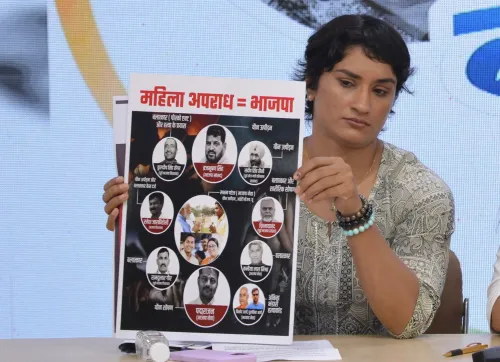
Following the verdict, wrestlers Vinesh Phogat and Bajrang Punia — the latter a Tokyo Olympics bronze medallist — expressed deep disappointment. In a statement posted on X, they said the legal battle was 'far from over' and that their legal team had been instructed to file an appeal. 'We are deeply saddened that the court did not find Brij Bhushan Sharan Singh guilty of the sexual harassment allegations made by the women wrestlers,' the statement read. They added that the women wrestlers had not lost hope and would continue the legal fight.
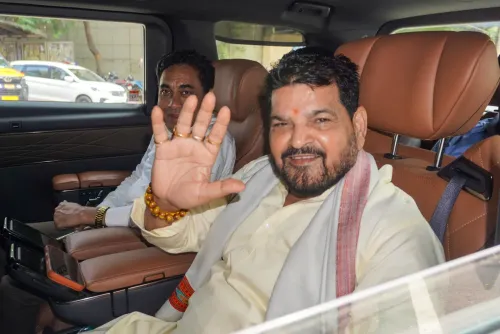
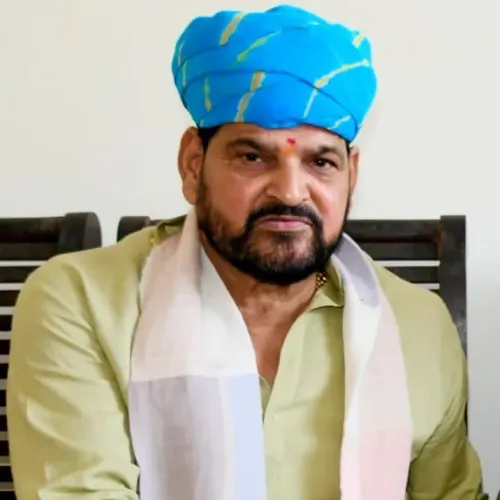
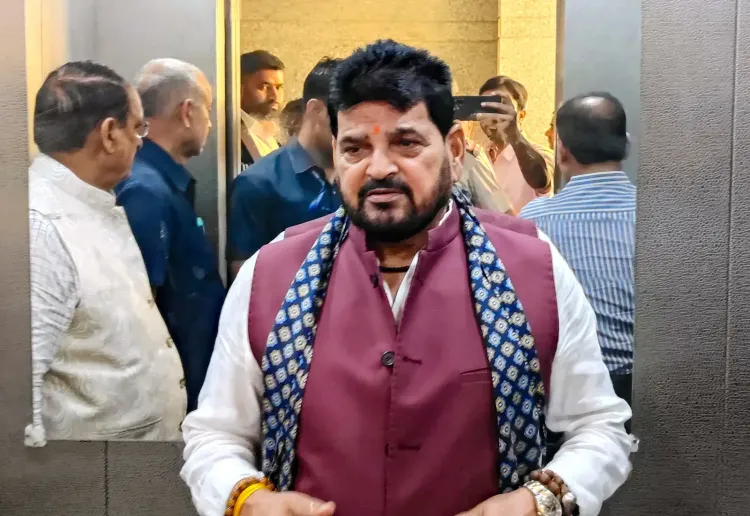
Singh, for his part, welcomed the acquittal. He described the verdict as a 'moment of happiness' and said: 'This is not my victory. This is the victory of junior players. The junior players have won. And this case has proved that even Olympians and Olympic medal winners can lie for their own interests.' He also said he would have accepted the court's decision even had it gone against him.
The Separate POCSO Case
Notably, the present appeal is distinct from a separate Protection of Children from Sexual Offences (POCSO) case lodged by a minor wrestler against Singh. In May 2025, a Delhi court accepted the Delhi Police's cancellation report in that case after the probe agency stated it found no corroborative evidence. The complainant and her father had not opposed the cancellation.
What Happens Next
The sessions court's hearing on Friday will determine whether the appeal is admitted for a full review. Legal experts note that overturning an acquittal at the appellate stage requires demonstrating a material error in the trial court's appreciation of evidence — a high threshold under Indian criminal law. The outcome will have significant implications for athlete safety governance and the accountability of sports federation officials in India.
Point of View
But it leaves unanswered the broader question of why elite athletes who risked their careers to protest felt they had no credible institutional channel. The sessions court will now assess whether the trial judge erred on evidence, but the more urgent challenge is structural: India still lacks an independent, statutory mechanism to adjudicate complaints against sports federation officials. Without that, the next Jantar Mantar protest is only a matter of time.
NationPress
25 Sept 2026
Frequently Asked Questions
What is the women wrestlers' appeal against Brij Bhushan Singh about?
Four women wrestlers have challenged the acquittal of former WFI President Brij Bhushan Sharan Singh and former WFI Assistant Secretary Vinod Tomar at the Rouse Avenue Sessions Court. The appeal argues that the trial court's 3 August judgment is legally unsustainable and that the evidence was incorrectly assessed.
Why was Brij Bhushan Singh acquitted?
Additional Chief Judicial Magistrate Ashwini Panwar acquitted Singh and Tomar on 3 August, holding that the prosecution had failed to establish the charges beyond reasonable doubt. Singh had pleaded not guilty throughout the trial.
When will the sessions court hear the appeal?
The Rouse Avenue Sessions Court is expected to take up the appeal on Friday, 26 September 2026. The hearing will determine whether the appeal is admitted for a full review of the trial court's findings.
How did the wrestlers' protest and case begin?
The case began in January 2023 when Olympians Vinesh Phogat, Sakshi Malik, and Bajrang Punia led a protest at Jantar Mantar, accusing Singh of sexual exploitation and intimidation. They demanded his resignation as WFI chief and the federation's dissolution, prompting an IOA inquiry and eventual criminal proceedings.
Is there a separate POCSO case against Brij Bhushan Singh?
Yes, but it is distinct from the current appeal. A Delhi court in May 2025 accepted the Delhi Police's cancellation report in the POCSO case filed by a minor wrestler, after investigators stated they found no corroborative evidence. The complainant and her father had not opposed the cancellation.