Maharashtra water crisis: 19 Marathwada dams dry up
Synopsis
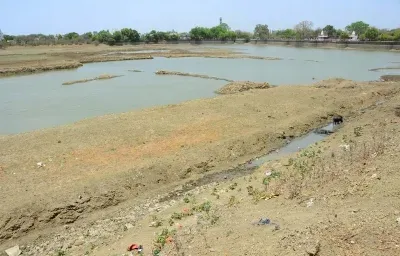
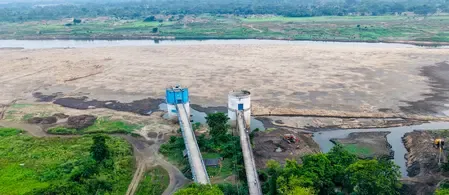
Nineteen dams in Marathwada have dried up as Maharashtra relies on 1,323 tankers to supply water across 11 districts. Regional dam storage stands at 33.79%, down from 90.16% at the same time last year, according to the report.
Key Takeaways
19 dams in Marathwada have dried up, according to the report.
Maharashtra has declared drought conditions in 310 talukas and ordered surveys in another 13 .
A state compilation says 1,323 tankers serve 1,102 villages and 3,801 hamlets across 11 districts .
Marathwada has 668 tankers in operation, including 326 in Beed district .
Dam storage in Marathwada stands at 33.79% , compared with 90.16% at the same time last year.
The Maharashtra Planning Department has prioritised water-related works under the 2026–27 District Annual Plan.
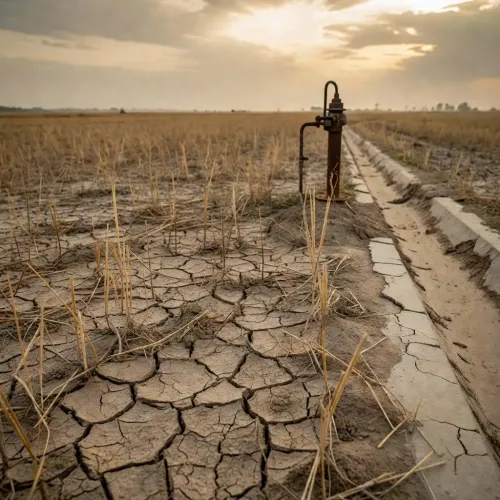
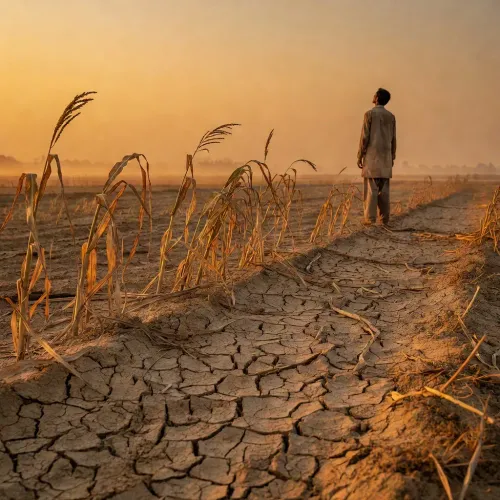
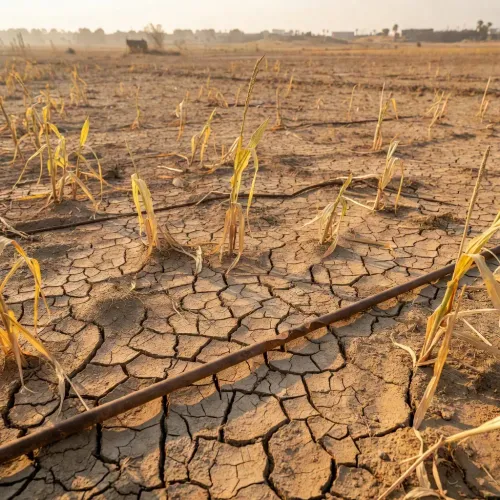
The Maharashtra water crisis has deepened as 19 dams in Marathwada have dried up and demand for water tankers across the state has doubled over the past month. The state government has declared drought conditions in 310 talukas, while surveys have been ordered in another 13 talukas following demands for their inclusion.
The report, dated 25 November, says local sources serving villages and hamlets are gradually drying up. A year was not specified for the report date.
Tanker demand rises across Maharashtra
According to a state government compilation, 1,323 tankers are supplying water to 1,102 villages and 3,801 hamlets across 11 districts. The increase comes as local water supply schemes stop operating and communities become more dependent on deliveries.
Marathwada accounts for 668 tankers, the highest regional deployment, including 326 in Beed district. In Nashik district, the administration has deployed 43 tankers despite the district's high concentration of dams.
Officials from the Water Supply Department have warned that tanker demand is likely to rise further. According to sources, tankers filled in neighbouring districts are being brought in to supply areas facing severe local shortages.
Dam storage falls across regions
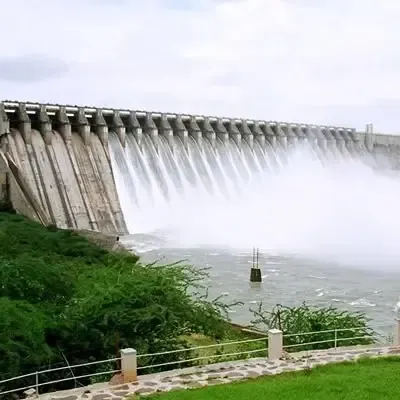
Water stored in Maharashtra's dams stands at 61.88%, compared with 90.26% at the same time last year, according to the report. In Marathwada, storage is 33.79%, down from 90.16% a year earlier.
A Water Resources Department report puts storage at 79% in Konkan, 72.44% in Pune Division and 71.30% in Nashik Division. The figures are 54.93% for Nagpur Division and 50.53% for Amravati Division.
In Dharashiv district, all dams have dried up except Lower Terna, which holds 14%, according to the report. In Beed, the report says all dams are dry apart from Majalgaon and Dhanegaon, whose storage is between 14% and 16%.
Drought declarations and government review
The report links the looming severe drought to the impact of El Niño. It also cites erratic rainfall, prolonged dry spells, declining groundwater and falling stored water as the conditions behind the Maharashtra Planning Department's scarcity guidelines.
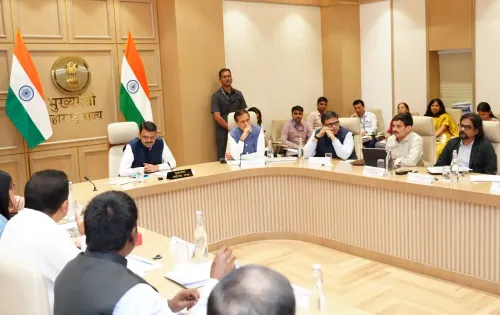
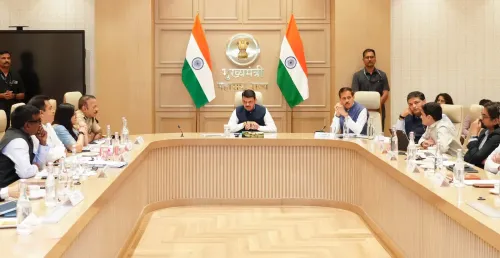
Mitigation measures have begun in the 310 drought-declared talukas. The weekly state cabinet meeting scheduled for Wednesday is to review the situation and decide on intensifying those measures; the report does not specify a calendar date for the meeting.
Surveys in the additional 13 talukas are intended to assess drought conditions there. The outcome could determine whether those areas are added to the existing list, although the report gives no deadline for a decision.
Water supply works given priority
A government resolution sets out fund allocation and work priorities under the District Annual Plan (General) for 2026–27, including the temporary suspension of non-essential, water-intensive new construction in scarcity-affected areas. The Planning Department, headed by Chief Minister Devendra Fadnavis, has asked local authorities to redirect resources towards uninterrupted drinking water in drought-declared talukas.
District Planning Committees, with District Collectors as member secretaries, have been directed to prioritise works that provide direct water access to people and livestock during the scarcity period. These include completing pipelines, pumps, connections, tanks and distribution systems, as well as repairing eligible water-supply assets to reduce leakage.
The framework also covers linking water sources to works in scarcity-hit areas, finishing nearly complete projects with minor funding shortfalls and continuing water-supply schemes in the 310 talukas. Eligible work includes specified treatment plants, solar and solid-waste projects slated for completion before 31 March 2027, alongside livestock fodder and water, public health and essential livelihood measures.
The cabinet review and surveys of the additional talukas are the next reported steps as authorities assess the need for further action.
Point of View
But their growing use makes reliable delivery and transparent allocation crucial for affected communities. The government's priority list should be judged by whether repairs and unfinished connections deliver water where it is needed during the scarcity period.
NationPress
25 Nov 2026
Frequently Asked Questions
How many dams have dried up in Marathwada?
Nineteen dams in Maharashtra's Marathwada region have dried up, according to the report. Regional dam storage stands at 33.79%, compared with 90.16% at the same time last year.
How many water tankers are operating in Maharashtra?
A state government compilation says 1,323 tankers are supplying water across 11 districts. They serve 1,102 villages and 3,801 hamlets.
Which areas are affected by Maharashtra's water shortage?
The government has declared drought conditions in 310 talukas, while water tankers are serving settlements across 11 districts. Marathwada has 668 tankers in operation, including 326 in Beed district.
What is the government doing about the Maharashtra drought?
The state has started scarcity mitigation measures and prioritised water-supply works in drought-affected areas. It has also ordered surveys in 13 additional talukas following demands to include them in the drought list.
What happens next in the Maharashtra water crisis?
The state cabinet is scheduled to review the situation at its Wednesday meeting and decide on intensifying mitigation measures. The report does not give a calendar date for the meeting or a deadline for the additional taluka surveys.